
Watching your baby experience persistent fussiness, gas, or skin irritation after feeding can be incredibly stressful, leaving you wondering if their current milk formula is the culprit. While soy-based formulas like Isomil soy formula are highly effective options for infants with specific medical conditions or families with strict dietary preferences, they are not a universal solution for typical newborn digestive adjustments and should only be introduced after consulting a pediatrician. Making an unprompted switch can sometimes complicate your baby’s digestive health, making it essential to understand the true indicators of a dietary need before altering their nutrition.
Navigating the vast array of infant formulas on the market requires a careful balance of observation and professional guidance. Many parents suspect a milk allergy or lactose intolerance at the first sign of colic or spit-up, yet these are often normal parts of an infant’s developing digestive system. By learning to distinguish between temporary developmental phases and genuine medical sensitivities, you can make informed decisions that support your child’s growth and comfort.
What Are the Common Signs Your Baby Might Need a Soy-Based Formula?
The most common signs that may suggest a need for soy-based formula include persistent digestive distress, such as severe bloating, excessive gas, or frequent loose stools, as well as skin reactions like eczema after consuming cow’s milk formula. However, because these symptoms frequently overlap with normal infant developmental phases, they require careful observation rather than immediate self-diagnosis.
Products mentioned in this guide
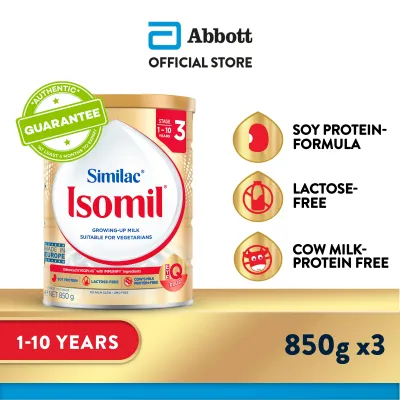
263 Lazada user ratings
came in good condition, unlike some of the others that were packed the same way. but picture doesn't match what was received. has no teddy b…Read full reviewShow less
came in good condition, unlike some of the others that were packed the same way. but picture doesn't match what was received. has no teddy bear. only trust change in packaging as this should be the official store?
Great alternative for lactose-intolerant kids, Tasty and easy to digest, during sales purchase.
Delivery was as promised & item was packed properly in a box . Thank you seller!
very very fast delivered and the cheapest I can find. Will definitely buy again!
Great alternative for lactose-intolerant kids, Recommended by pediatricians,
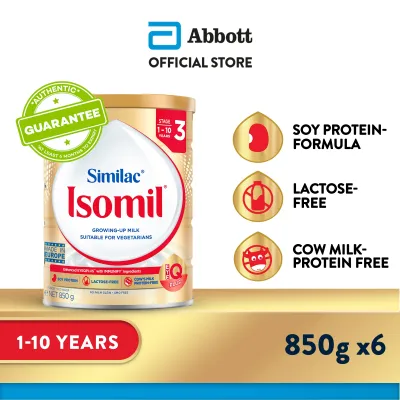
154 Lazada user ratings
Bought during 11:11 sale. Price was very worth it but delivery took way too long. It took 1 week for the item to be delivered whilst other p…Read full reviewShow less
Bought during 11:11 sale. Price was very worth it but delivery took way too long. It took 1 week for the item to be delivered whilst other parcels within the same order arrived in a day. 💰Price: Very good. This item is suitable for kids with sensitive tummy.
Gentle on sensitive stomachs, Suitable for lactose-intolerant kids, Healthy choice for vegetarians, Promotes healthy growth and development,…Read full reviewShow less
Gentle on sensitive stomachs, Suitable for lactose-intolerant kids, Healthy choice for vegetarians, Promotes healthy growth and development, Trusted brand for children's nutrition,
Bought it during 9.9 sale and the deal is better than anywhere we could find. LO has lactose intolerant and this is the only product he can …Read full reviewShow less
Bought it during 9.9 sale and the deal is better than anywhere we could find. LO has lactose intolerant and this is the only product he can drink without having issue
Healthy choice for vegetarians, Trusted brand for children's nutrition
fast delivery and well received in brand new condition thank you
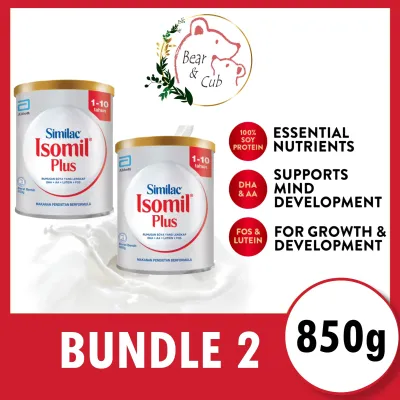
57 Lazada user ratings
Repeated purchase, it's the best price for isomil I can find I'll keep buying until my kid stops drinking formula 😂. Thank you seller
Repeated purchase and it is the cheapest price you can get. Retail is about 35 dollars.
Great alternative for cow's milk allergy, Lactose-free for sensitive tummies,
Good price. Much cheaper than retail n live up deduction too
Very fast delivery
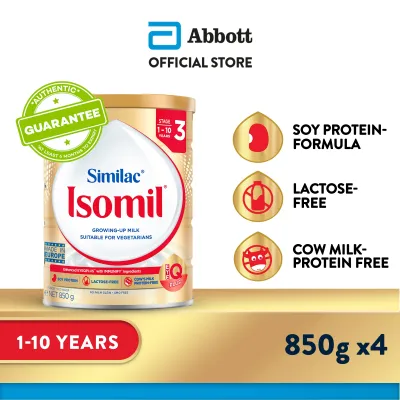
40 Lazada user ratings
expiry is in the year of 2026, pretty good but can't believe how much preservatives is my kid drinking. Can't imagine how scared is it for t…Read full reviewShow less
expiry is in the year of 2026, pretty good but can't believe how much preservatives is my kid drinking. Can't imagine how scared is it for the kids in the future. literally eating combat rations everyday
this was from awhile ago, dont really remember much of it so it should be ok. I mean it's a good thing since i have no complains that were n…Read full reviewShow less
this was from awhile ago, dont really remember much of it so it should be ok. I mean it's a good thing since i have no complains that were noted
Fast delivery. Items received in good condotion and in a box very secure with bubbles. Very protected and safe.
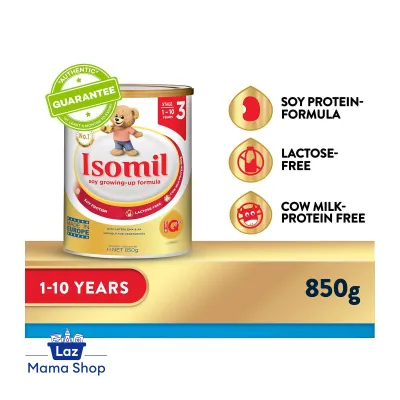
97 Lazada user ratings
The item that i had received is similar as what i had ordered online. The delivery was fast and the courier followed my instruction to leave…Read full reviewShow less
The item that i had received is similar as what i had ordered online. The delivery was fast and the courier followed my instruction to leave the item at my doorstep. The item was packed in a proper packing and it was in excellent condition with no damages in sight. Will order again if item is good.
Great formula for growing kids, I find it expensive compared to Similac plus. But the quality could be better.
Repeated purchase
fast delivery

53 Lazada user ratings
cheaper than retail. bought durinf 12.12 good for kids with lactose issue
She ndhdhdhd hdjdjdj jdjdhdh jdjdjdbhd jdjdjd jdjdjd jdjdjd kdjdjdjd ddd
bdbdhdjd bdvdvdhdj ndhdhdh ndbdhdb ndbdbd ndbdbd ndbdbdbd ndbdbdb bdbdd
Very good packaging by seller and cheap enough to make me a buyer!
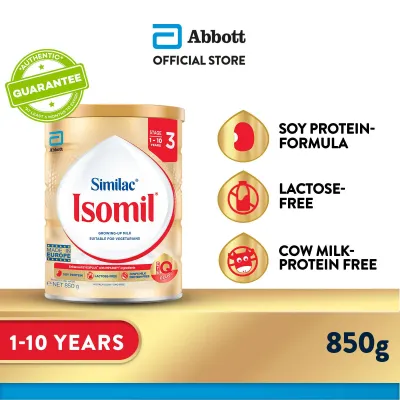
363 Lazada user ratings
Product is good but the handling need improvement. My 1st purchase tin is dented, opened n powder spilled out. This is my 2nd try, product a…Read full reviewShow less
Product is good but the handling need improvement. My 1st purchase tin is dented, opened n powder spilled out. This is my 2nd try, product acceptable but plastic cover is missing.
switched to soy for my 18mo bcos he tend to have tummy and poop issues. Will recommend this brand.
bought this multiple time for my son. on promotion $48+ per tin. cheaper than local supermarket.
Item received in good condition. Switch on to this milk as my baby is getting allergy.
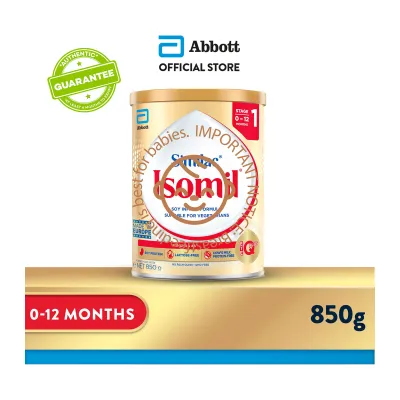
117 Lazada user ratings
items all well received, my repeated purchase from Redmart. no complain
vshdidjdjd bhdjdbdbd vudjdbd bhdjdbd hdhdhdh jdhdhd bjdjdd jhdjd jdjdh
Hdkdhddhhddh ndjdhdhdjdjd nfbdjdndnd ndjdjdj ndhdnd ndhdndnsns ndndnd
Ndjdjshshws hdhdhdjdhd nshshsbsha nshshsns hahaha hahaha hahaha haha
😋Digestibility:Convenient and reliable for busy parents,
Prices are valid at publication and may change. Please refer to the product page for the latest price.
Identifying Observable Digestive Discomfort
When monitoring your baby’s reaction to standard cow’s milk formula, look for patterns of discomfort rather than isolated incidents. Persistent fussiness that begins shortly after feeding and lasts for hours, accompanied by a visibly tense or bloated abdomen, can indicate that your baby is struggling to digest certain components of their current formula. You might also observe significant changes in stool consistency, such as chronic diarrhea or stools containing mucus, which suggest irritation in the gastrointestinal tract.
Distinguishing Normal Digestion from Intolerance
It is vital to recognize that a newborn’s digestive system is highly immature. Occasional gas, mild spitting up, and brief periods of fussiness are entirely normal as your baby adapts to processing nutrients. These temporary adjustments typically resolve as the infant grows and do not require a change in diet. In contrast, a true sensitivity or intolerance presents as a continuous, severe reaction that often impacts the baby’s sleep, feeding enthusiasm, and overall comfort levels over an extended period.
The Risk of Unprompted Formula Switching
When parents observe these distressing signs, the immediate instinct is often to purchase a different formula, such as a soy-based option, to provide quick relief. However, switching formulas rapidly and without medical oversight can irritate your baby’s sensitive stomach even further. It also makes it difficult for your pediatrician to identify the actual cause of the discomfort, as the sudden introduction of new ingredients can trigger temporary digestive shifts that mimic or mask the original symptoms.
When Do Healthcare Professionals Recommend Soy Formula?
Healthcare professionals typically recommend soy-based formula for infants diagnosed with specific medical conditions, such as galactosemia, congenital lactase deficiency, or in some cases of recovery from severe gastroenteritis. They rarely advise it as a first-line alternative for cow’s milk protein allergies due to the high risk of cross-reactivity.

Diagnosed Lactose Intolerance and Metabolic Conditions
True lactose intolerance is exceedingly rare in young infants, but it can occur temporarily following a severe gastrointestinal infection that damages the lactase enzymes in the gut. In such cases, a pediatrician may recommend a temporary switch to a lactose-free soy formula to allow the digestive tract to heal. Additionally, infants diagnosed with galactosemia—a rare metabolic disorder where the body cannot process galactose, a sugar found in lactose—strictly require a complete dairy-free diet, making soy formula a medically necessary alternative from birth.
Cow's Milk Protein Allergy and Cross-Reactivity Risks
A common misconception is that a baby diagnosed with a cow’s milk protein allergy (CMPA) should automatically switch to a soy-based formula. In clinical practice, healthcare providers exercise caution because a significant percentage of infants who are allergic to cow’s milk protein also develop a sensitivity or allergic reaction to soy protein. For this reason, pediatricians usually recommend extensively hydrolyzed or amino acid-based formulas as the primary treatment for CMPA, reserving soy formula for older infants or specific clinical scenarios where other options are not tolerated or suitable.
The Necessity of Professional Diagnosis
Because the symptoms of protein allergies, lactose sensitivity, and general digestive immaturity look remarkably similar, you must consult a qualified healthcare provider before making any dietary changes. A pediatrician can perform necessary evaluations, review your baby’s growth charts, and determine whether a soy-based formula is the safest and most effective choice. Self-diagnosing and switching formulas independently can delay proper medical treatment and potentially expose your baby to allergens they cannot tolerate.
Can Family Dietary Preferences Justify Switching to Soy Formula?
Yes, family dietary preferences such as a strict vegan or vegetarian lifestyle, or specific religious and cultural practices that exclude dairy, can justify switching to a soy-based formula. However, parents must ensure the chosen formula is specifically formulated for infants to support healthy growth and development.
Navigating Vegan and Vegetarian Lifestyles
For families committed to a vegan or vegetarian lifestyle, soy-based formula offers a way to align infant feeding with household values. It is critical to understand that standard plant-based milks, such as commercial soy, almond, or oat milks found in the grocery aisle, are entirely unsuitable for infants and can lead to severe nutritional deficiencies. Only commercially prepared, iron-fortified soy infant formulas are scientifically designed to meet the complex nutritional requirements of a growing baby during their first year of life.
Accommodating Religious and Cultural Restrictions
Some families choose soy formula to adhere to religious or cultural dietary laws that restrict the consumption of dairy products or specific animal derivatives. Soy-based alternatives provide a reliable, plant-derived option that avoids these ingredients entirely. When selecting a formula for these reasons, parents should carefully review the product packaging to ensure it aligns with their specific dietary standards.
Verifying Product Labels and Standards
Before purchasing a soy formula for lifestyle reasons, you must check the product label and manufacturer specifications to verify that it meets local infant nutritional standards. Ensure the formula is fortified with essential nutrients, including iron, calcium, and vitamins, which are crucial for bone development and cognitive growth. Additionally, verify that the product does not contain any hidden animal-derived ingredients, such as certain types of vitamin D3 or processing agents, if your goal is a strictly vegan diet.
What Must You Verify Before Transitioning Your Baby to Soy Formula?
Before transitioning your baby to a soy formula, you must verify that the product matches your infant’s specific age and developmental stage, and establish a clear plan for a gradual transition under medical supervision. You must also identify specific stop conditions that require immediate medical attention, such as hives, vomiting, or breathing difficulties.
Age, Weight, and Developmental Stage Alignment
Not all soy formulas are formulated for the same age groups. You must carefully read the manufacturer’s guidelines to confirm that the product is appropriate for your baby’s current age, weight, and developmental stage. Some formulas are designed specifically for newborns, while others are intended for older infants or toddlers. Feeding a baby a formula that does not match their developmental stage can result in nutritional imbalances that affect their growth.
Safe Preparation and Storage Guidelines
Proper hygiene and preparation are vital when handling any infant formula. Carefully read the product’s preparation instructions, storage requirements, and warning labels before the first feed. Soy formula powder must be measured precisely according to the manufacturer’s directions, as improper dilution can strain your baby’s kidneys or lead to malnutrition. Ensure all bottles and preparation utensils are thoroughly sterilized, and store opened formula containers in a cool, dry place according to the package instructions.
Implementing a Gradual Transition
If your pediatrician approves the switch, plan a gradual transition rather than an abrupt change. Start by mixing a small amount of the new soy formula with your baby’s current formula, slowly increasing the proportion of soy formula over several days. This gradual method allows your baby’s digestive system to adapt to the new protein source and taste, reducing the likelihood of sudden digestive upset or refusal to feed.
Monitoring and Establishing Stop Conditions
During and after the transition, closely monitor your infant for any new physical or behavioral changes. Watch for signs of allergic reactions, such as skin rashes, hives, swelling, or sudden changes in breathing patterns. You must also track digestive shifts, including severe vomiting, blood in the stool, or extreme diarrhea. Establish clear stop conditions with your pediatrician: if any of these adverse symptoms appear, immediately halt the soy formula, revert to the previous feeding method if safe, and seek urgent medical advice.
Community discussion
Share your experience or ask a question. Comments are reviewed before publication.