
Choosing the right infant formula involves navigating subtle differences in ingredients, sourcing, and digestive benefits. When comparing HiPP Organic and HiPP Combinotic, the primary distinction lies in their formulation focus: HiPP Organic emphasizes pure, certified organic ingredients and traditional farming standards, while HiPP Combinotic builds on that organic foundation by adding a specific combination of prebiotics and probiotics designed to support a baby’s developing gut microbiome. Both lines are crafted to support healthy growth, but they cater to slightly different feeding priorities and infant digestive needs.
Understanding these differences requires looking closely at the physical packaging, ingredient lists, and regional variations. Because infant formulas are highly regulated and tailored to specific developmental stages, parents must verify the exact formulation details on the box of the specific stage they are purchasing. This guide breaks down the core philosophies, ingredient profiles, and practical decision points to help you choose the most suitable option for your baby.
Core Philosophy and Target Use Cases
The HiPP Organic line is designed for caregivers who prioritize certified organic agriculture and minimal processing. This line centers on the purity of the ingredients, ensuring that the milk base comes from farms operating under strict organic guidelines. These standards prohibit the use of synthetic chemical pesticides, artificial fertilizers, and genetically modified organisms (GMOs). For parents whose primary goal is to provide a simple, clean, and traditionally sourced formula, the standard Organic line aligns closely with these values.
Products mentioned in this guide
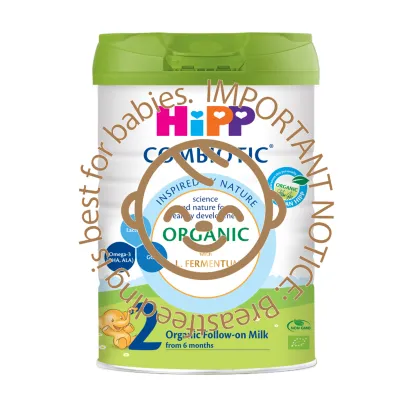
80 Lazada user ratings
brought a few times already. depend on whether babies ok to drink i guess very fast delivery via redmart. can choose delivery timing slot.
High-quality organic baby formula, Trusted brand for baby formula, Supports baby's healthy development, Great formula for babies,
🏆Brand Trust: 100% My infant stuck with this brand since newborn and it’s working very well overall
Trusted brand for baby formula, High-quality organic baby formula, Great value for money.
Promotes healthy digestion and immune system, Great formula for babies,
Prices are valid at publication and may change. Please refer to the product page for the latest price.
In contrast, the HiPP Combinotic line is formulated with a specific focus on gut health and digestive comfort. While it still utilizes high-quality ingredients, its primary goal is to mimic the natural digestive benefits of breast milk by introducing active gut-support elements. The name “Combinotic” refers to the combination of prebiotics (dietary fibers that feed beneficial gut bacteria) and probiotics (live beneficial bacteria). This line is targeted at babies who may benefit from extra support for their developing digestive systems, such as those experiencing mild fussiness or irregular bowel movements.
Identifying your primary caregiving goal is the first step in choosing between these two lines. If your baby has a robust digestive system and your main priority is adhering to strict, traditional organic farming standards with fewer added functional ingredients, the Organic line is a strong candidate. If your baby has a sensitive stomach or you want to actively support their gut microbiome with live cultures, the Combinotic line is designed specifically for that purpose.
Ingredient Sourcing and Formulation Differences
When evaluating the milk base of these two lines, parents should check the specific packaging labels for organic certification seals. The HiPP Organic line is renowned for meeting strict European organic standards, which govern soil quality, animal welfare, and processing methods. The Combinotic line also utilizes high-quality dairy, but the inclusion of specialized additives means the overall formulation is geared toward functional digestion rather than solely relying on a basic organic profile. You should inspect the box to verify the organic status of the specific regional version you are buying, as certifications can vary by country of origin.

Carbohydrate profiles are another critical area where these lines can diverge, particularly across different developmental stages. Stage 1 formulas in both lines typically rely on lactose as the primary carbohydrate source, mimicking the natural sugars found in breast milk. However, as you move to Stage 2 (follow-on formula) and Stage 3 (growing-up milk), some regional versions of both Organic and Combinotic may introduce starch or maltodextrin to increase thickness and satiety. Parents should carefully read the nutritional table on the physical label to identify which carbohydrates are present, especially if their baby has a sensitive stomach that reacts to starch.
Fat blends also require close inspection on the physical packaging. Both lines utilize a blend of vegetable oils to provide essential fatty acids, which may include palm oil, rapeseed oil, and sunflower oil. HiPP often sources its palm oil from sustainable, organic plantations, but because formulations are updated periodically, you should check the ingredient list on your specific box to verify the exact oil blend. If you prefer to avoid palm oil or have specific dietary preferences, reviewing the nutritional panel is the most reliable way to confirm the current formulation.
Digestive Support and Specialized Additives
The presence and concentration of prebiotics and probiotics represent the most significant functional difference between the two lines. Prebiotics, typically in the form of galacto-oligosaccharides (GOS) derived from lactose, are dietary fibers that help nourish beneficial gut bacteria. While some versions of the standard Organic line may contain prebiotics, they are a central, highlighted feature of the Combinotic line. These fibers help soften stools and promote a healthy gut environment, which is highly beneficial for formula-fed infants.
Probiotics, which are live microorganisms, are a key distinguishing feature of the Combinotic line. The Combinotic formulation typically includes specific live cultures, such as Lactobacillus fermentum, which are originally isolated from breast milk. These live cultures are generally absent from the standard Organic line. Parents must verify the ingredient list on the specific regional version of HiPP Combinotic they purchase, as some countries’ regulations or shipping conditions may affect whether live probiotics are included or active in that specific market’s stock.
When comparing these specialized additives, it is important to avoid unnecessary ingredients that do not align with your baby’s needs. Carefully read the ingredient list and compare it against your pediatrician’s recommendations. If your baby does not require active probiotic supplementation, a simpler formula without live cultures may be preferred. Conversely, if you are looking to support a healthy gut flora, verifying the presence of both GOS and live cultures on the Combinotic box is essential.
Decision Framework: Which Line Fits Your Baby?
Choosing between HiPP Organic and HiPP Combinotic should be based on observable conditions, your baby’s unique tolerance, and your personal feeding philosophy. To help structure this decision, consider the following conditional guidelines:
You may want to choose HiPP Organic if:
- Your primary feeding priority is strict adherence to certified organic agricultural standards.
- Your baby has a hardy digestive system with no history of frequent gas, constipation, or mild tummy discomfort.
- You prefer a simpler ingredient list with fewer functional additives like live bacterial cultures.
You may want to choose HiPP Combinotic if:
- Your baby experiences mild digestive issues, such as occasional constipation, hard stools, or mild gas.
- You want to actively support your baby's gut microbiome with a combination of prebiotics and live probiotics.
- Your baby is transitioning from breast milk and you want a formula designed to mimic the gut-supporting properties of natural breast milk.
Before making a final decision, you must verify if your baby has any diagnosed medical conditions. Standard versions of both HiPP Organic and HiPP Combinotic are based on intact cow’s milk protein. If your baby has a diagnosed cow’s milk protein allergy (CMPA), severe lactose intolerance, or other specialized medical needs, neither of these standard lines is suitable. In such cases, your baby will require specialized hypoallergenic, amino acid-based, or therapeutic formulas under strict medical supervision.
Always pause and consult a pediatrician, pediatric dietitian, or lactation consultant before switching formulas or introducing new dietary lines. A healthcare professional can help assess your baby’s growth, evaluate any digestive symptoms, and ensure that the chosen formula aligns with their specific developmental and nutritional requirements.
Purchasing and Label Verification in Singapore
For parents in Singapore, ensuring the authenticity and safety of imported infant formula is paramount. To guarantee that you are purchasing genuine products that have been stored and transported under temperature-controlled conditions, always buy from authorized retailers, official brand stores, or established mother-and-baby pharmacies. Avoid purchasing from unverified third-party sellers on online marketplaces or ecommerce platforms, as improper storage can compromise the quality of the ingredients and the viability of live probiotics in the Combinotic line.
It is also crucial to understand that HiPP formulas are distributed in various regional versions, such as German, UK, and Dutch packaging. These versions can have differences in stage numbering, ingredient sources, and nutritional regulations. For example, Stage 1 in one region might have a slightly different carbohydrate profile than Stage 1 in another. Always read the physical box carefully, paying close attention to the language of the label, the specific nutritional table, and the age recommendations.
Upon receiving your formula, perform an immediate physical inspection of the packaging. Verify that the safety seals are completely intact and that the box or tin has not been dented or punctured. Check the batch number and the expiry date printed on the packaging to ensure the product is fresh. If you notice any signs of tampering, dampness, or damage, do not feed the formula to your baby and contact the retailer immediately for a replacement.
Frequently Asked Questions (FAQ)
Can I mix HiPP Organic and HiPP Combinotic in the same bottle?
It is generally recommended to avoid mixing two different formula lines in the same bottle unless specifically instructed by a healthcare professional. Mixing HiPP Organic and HiPP Combinotic in a single feed can alter the carefully balanced nutrient ratios and make it difficult to identify the cause of any digestive reactions your baby might experience. To maintain consistent nutrition and support comfortable digestion, stick to one specific formula line per feed. Always follow the manufacturer’s precise preparation instructions on the packaging and observe your baby’s tolerance closely.
How do I safely transition my baby from Organic to Combinotic?
When transitioning your baby from HiPP Organic to HiPP Combinotic, a gradual introduction is the safest way to minimize digestive upset. Start by replacing one feed per day with the new Combinotic formula, keeping the remaining feeds as the original Organic formula. Over the course of several days to a week, slowly increase the number of Combinotic feeds while decreasing the Organic feeds. Monitor your baby closely for any changes in stool consistency, frequency, or increased fussiness. If you observe persistent digestive distress, skin rashes, or vomiting, stop the transition immediately and consult your pediatrician.
Community discussion
Share your experience or ask a question. Comments are reviewed before publication.