
Choosing the right infant formula requires understanding how your baby’s nutritional needs evolve during their first year of life. The primary difference between HiPP Stage 1 and HiPP Stage 2 lies in their design: Stage 1 is an infant formula formulated to serve as a complete breast milk substitute or complement from birth up to six months, while Stage 2 is a follow-on formula intended for infants aged six months and older to support an increasingly diverse solid food diet. As your baby transitions from exclusive milk feeding to weaning, their physiological requirements for specific nutrients like iron and calcium shift, prompting manufacturers to adjust the nutritional profiles of these stages. Identifying which stage matches your baby’s current developmental milestones ensures they receive appropriate nourishment without overloading their developing digestive systems.
Age Suitability and Developmental Milestones
HiPP Stage 1 is specifically formulated for newborns and infants during their first six months of life. During this initial phase, an infant’s digestive system is highly sensitive and optimized for processing breast milk or highly specialized infant formulas that mimic its composition. The manufacturer designs Stage 1 to be gentle enough for exclusive feeding, meaning it provides all the essential carbohydrates, proteins, fats, vitamins, and minerals a baby needs to grow before they begin eating solid foods. Caregivers should look for specific age and weight guidelines on the product packaging, as these parameters help confirm whether a Stage 1 formula remains the appropriate primary source of nutrition.
Around the six-month mark, babies typically experience significant developmental shifts that alter their nutritional demands. This is the stage where many infants begin showing signs of readiness for solid foods, such as sitting up with minimal support, showing interest in what others are eating, and losing the tongue-thrust reflex. As solid foods are gradually introduced, the role of formula transitions from being the sole source of nourishment to a supportive, complementary component of a weaning diet. HiPP Stage 2 is designed precisely for this transition phase, offering a formulation that aligns with the nutritional gaps that can occur as a baby’s natural iron stores begin to deplete around six months of age.
Products mentioned in this guide
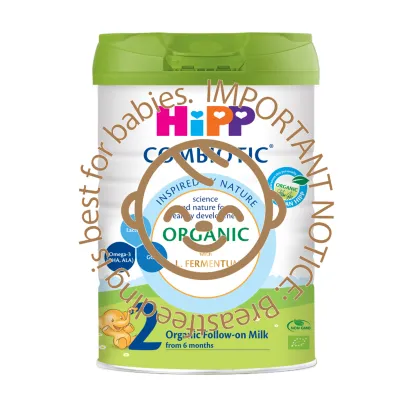
80 Lazada user ratings
High-quality organic baby formula, Trusted brand for baby formula, Supports baby's healthy development, Great formula for babies,
🏆Brand Trust: 100% My infant stuck with this brand since newborn and it’s working very well overall
Promotes healthy digestion and immune system, Great formula for babies,
婴儿配方奶粉的信赖品牌, 物超所值, 支持宝宝的健康发展,
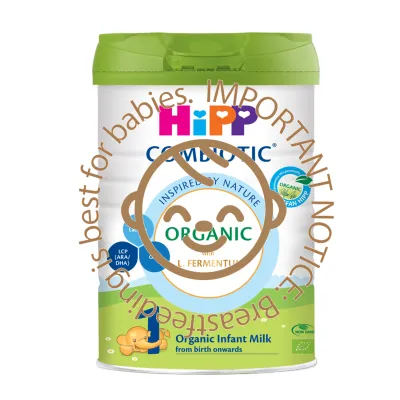
99 Lazada user ratings
There black marks on the tin , and I’m concerned about the safety for consumption . There is no bubble wrap as well. Please advise how can w…Read full reviewShow less
There black marks on the tin , and I’m concerned about the safety for consumption . There is no bubble wrap as well. Please advise how can we proceed .
bought this a few times from red mart. prices doesn't change 66.5. my baby is ok with it, tasteless and Supports baby's growth and developme…Read full reviewShow less
bought this a few times from red mart. prices doesn't change 66.5. my baby is ok with it, tasteless and Supports baby's growth and development,
I always get this kind of not clean product. Hope the seller keeps this bottles in clean environment.
The can came like this, very dirty! And it’s not only on this side, very disappointing
Been using this product since baby's first week! Delivery is fast as always
Prices are valid at publication and may change. Please refer to the product page for the latest price.
While the age of six months is a standard guideline for transitioning to Stage 2, it is crucial to recognize that chronological age is only one part of the decision framework. Every infant develops at their own pace, and individual readiness should dictate when you make the switch. Satiety cues are particularly telling; if an infant under Stage 1 feeding seems consistently unsatisfied after full feeds or demands more frequent bottles despite consuming the recommended volume for their weight, it may indicate their energy needs are changing. Before initiating any transition, caregivers should observe these developmental milestones and consult a pediatrician to ensure the baby’s digestive system is ready for the slightly different composition of follow-on formula.
Nutritional Composition and Formulation Differences
The formulation differences between HiPP Stage 1 and Stage 2 reflect the changing dietary landscape of a growing infant. Stage 1 formulas are designed to be as close to the composition of breast milk as possible, utilizing lactose as the primary carbohydrate source to ensure easy digestion and optimal nutrient absorption. Because newborns rely entirely on liquid nutrition, the protein ratio in Stage 1 is carefully balanced to prevent renal overload while supporting rapid physical growth. In contrast, Stage 2 follow-on formula is structured to complement a weaning diet, meaning it assumes the baby is also receiving nutrients from purees, soft foods, and other solid sources.

When comparing the specific nutritional adjustments between the two stages, several key nutrients stand out. Protein levels are often slightly higher in Stage 2 formulas to match the metabolic needs of older, more active infants, though they remain within safe, regulated limits. Calcium and iron levels are also typically increased in Stage 2. Around six months of age, an infant’s natural iron reserves—which they accumulated during gestation—begin to decline, making dietary iron intake critical for healthy cognitive and physical development. Caregivers must verify the exact nutritional values on the specific HiPP product packaging they are considering, as regional variations may feature slightly different nutrient concentrations and regulatory standards.
Another notable difference often found in Stage 2 formulations is the introduction of alternative or additional carbohydrate sources. While Stage 1 relies almost exclusively on lactose, some Stage 2 varieties incorporate mild organic starch or maltodextrin. These complex carbohydrates are digested more slowly than lactose, which can help promote a longer-lasting feeling of satiety in older babies who are burning more energy through crawling and increased physical activity. However, because starch can be heavier on a sensitive stomach, it is essential to check the ingredient list carefully if your baby has a history of digestive discomfort, reflux, or specific food sensitivities.
To help you compare the labels of the specific HiPP tins available in your region, use the following template to note and verify the nutritional differences:
| Nutrient | Stage 1 Purpose & Characteristics | Stage 2 Purpose & Characteristics | What to Verify on the Label |
|---|---|---|---|
| Primary Carbohydrate | Primarily lactose; designed for easy absorption and mimicking breast milk. | Lactose, sometimes supplemented with starch or maltodextrin for satiety. | Check for the presence of starch if your baby has a sensitive stomach. |
| Protein Content | Balanced ratio optimized for exclusive feeding and gentle digestion. | Slightly adjusted protein levels to support an active, weaning infant. | Verify the protein source and ratio to ensure compatibility. |
| Iron Levels | Formulated to meet the baseline needs of newborns with existing natural stores. | Typically increased to replenish depleting natural iron reserves after 6 months. | Compare the exact milligrams (mg) of iron per 100ml of prepared feed. |
| Calcium & Vitamin D | Supports early bone development in coordination with other essential minerals. | Often increased to support rapid bone growth and teething milestones. | Check the daily percentage values relative to your baby's age group. |
Always read the full ingredient list on your specific product packaging to identify potential allergens, such as soy, fish oil, or specific milk proteins. Because HiPP produces several product lines—including Organic, Organic Combiotic, and Specialty (HA) formulas—the exact ingredients can vary significantly. Never assume that a Stage 2 formula from one product line has the same ingredient profile as a Stage 2 formula from another line.
Decision Framework: Which Stage Fits Your Baby Now?
Navigating the transition between formula stages requires a personalized approach that prioritizes your baby’s unique health status and developmental progress. To help simplify this decision, you can use the following conditional framework to determine which HiPP stage is most appropriate for your baby’s current needs.
Choose HiPP Stage 1 if:
- Your baby is under six months of age.
- Your baby is exclusively milk-fed and has not yet shown signs of readiness for solid foods.
- Your baby has a highly sensitive digestive system, colic, or mild reflux, and your pediatrician has advised keeping them on a highly digestible, lactose-only formula.
- Your baby is thriving, gaining weight consistently, and showing complete satisfaction after their regular Stage 1 feeds.
Choose HiPP Stage 2 if:
- Your baby is at least six months old and has successfully begun their weaning journey with solid foods.
- Your baby is showing signs of increased hunger or decreased satiety after consuming their standard volume of Stage 1 formula.
- Your healthcare professional or pediatrician has recommended transitioning to a follow-on formula to support their growing iron and calcium requirements.
Verify first if:
- Your baby has diagnosed medical conditions, severe allergies, or a history of cow's milk protein allergy (CMPA).
- Your baby is not gaining weight at the expected rate or is experiencing developmental delays. In these scenarios, always consult a qualified pediatrician before making any changes to their feeding regimen, as specialty formulas or a prolonged stay on Stage 1 may be medically indicated.
When you decide to transition from Stage 1 to Stage 2, a gradual approach is highly recommended to allow your baby’s digestive system to adapt to the new formulation. Rather than switching abruptly overnight, consider introducing the Stage 2 formula slowly over several days. For example, you might replace one feed on the first day with Stage 2, then two feeds on the second day, gradually increasing the proportion of Stage 2 feeds until the transition is complete. Throughout this process, closely monitor your baby for any signs of digestive discomfort, changes in stool consistency, skin rashes, or unusual fussiness, and stop the transition to consult a professional if any adverse reactions occur.
Frequently Asked Questions (FAQ)
Can I mix HiPP Stage 1 and Stage 2 in the same bottle?
Caregivers often wonder if they can mix Stage 1 and Stage 2 powders within a single bottle to ease the transition. While it is generally safe to feed both stages to your baby during the same day in separate bottles, mixing the powders together in one bottle requires extreme caution. Each formula stage has its own specific water-to-powder ratio and scoop size designed by the manufacturer to ensure proper hydration and nutrient concentration. Mixing different powders in the same bottle increases the risk of preparation errors, which can lead to accidental dehydration or nutritional imbalances. If you must transition gradually, it is safer to prepare separate bottles of Stage 1 and Stage 2 according to their respective packaging instructions, or consult the manufacturer’s guidelines on the tin for specific advice on transitioning. Always verify that you are using the correct scoop provided with each specific tin, as scoop sizes are not always interchangeable.
Does HiPP Stage 2 contain more iron than Stage 1?
Yes, follow-on formulas like HiPP Stage 2 generally contain higher levels of iron compared to Stage 1 infant formulas. This adjustment is intentional, as infants are born with natural iron stores that typically begin to deplete around the six-month mark, right when they are developmentally ready to transition to Stage 2. However, because HiPP formulations are tailored to meet the specific food safety and nutritional regulations of different regions, the exact milligram (mg) values of iron can vary. Caregivers should always check the nutritional information panel on the specific Stage 1 and Stage 2 tins they have purchased to verify the exact iron content and ensure it aligns with their pediatrician’s recommendations for their baby’s age and diet.

Community discussion
Share your experience or ask a question. Comments are reviewed before publication.