
Caring for a toddler’s oral hygiene can be a challenging task, especially when sensitive gums turn a routine brushing session into a stressful experience. In Singapore’s warm climate, keeping your little one comfortable is always a priority, and oral health plays a major role in their overall well-being. When a toddler experiences gum sensitivity—whether from teething, minor irritation, or early plaque buildup—the choice of toothbrush becomes critical. A brush that is too stiff or poorly designed can cause discomfort, leading to resistance and a refusal to brush altogether.
Finding the best toddler toothbrush for sensitive gums in Singapore involves understanding your child’s specific developmental stage and matching it with the right brush design. There is no single universal solution that works for every toddler. Instead, parents must evaluate key physical characteristics such as bristle softness, head size, and handle ergonomics to find a gentle yet effective tool. By focusing on observable features and verifying product labels carefully, you can select a toothbrush that protects delicate oral tissues while establishing healthy, pain-free brushing habits.
Recognizing Signs of Gum Sensitivity in Toddlers
Before adjusting your brushing routine or purchasing new oral care tools, it is essential to determine whether your toddler is experiencing genuine gum sensitivity or if their resistance stems from other factors. Toddlers cannot always articulate physical discomfort, so parents must rely on careful observation. Common signs of sensitive gums include localized redness or swelling along the gumline, pulling away or crying when the toothbrush touches certain areas, and minor bleeding during or after brushing. If your child consistently winces or resists only when specific teeth are brushed, this is a strong indicator of localized sensitivity.
Products mentioned in this guide
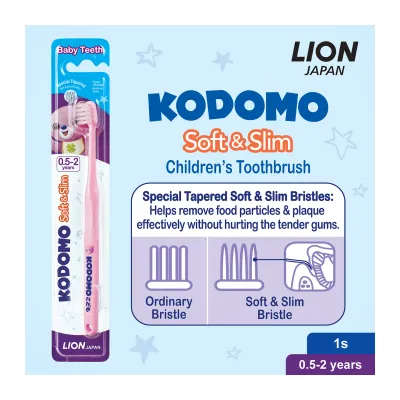
53 Lazada user ratings
I'm not the one using but design looks good and hopefully will be easier to brush my niece's teeth
Effective in cleaning baby's teeth, Easy to hold for parents, Perfect size for little ones,
Designed for babies aged 0.5-2 years, Slim bristles reach every corner, toddler likes.
Cheap find. Bought from Redmart . Have yet to try! Hopefully it’s good?
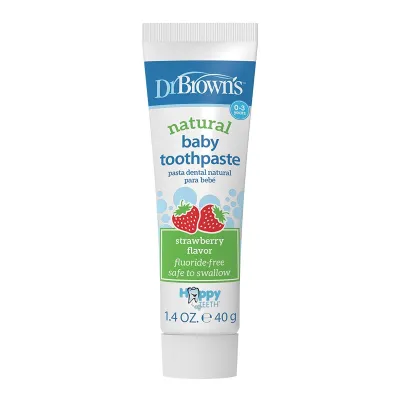
708 Lazada user ratings
No artificial colors or preservatives, Flexible body for sensitive gums, Easy to hold for little hands, Soft and gentle for baby's teeth, Sa…Read full reviewShow less
No artificial colors or preservatives, Flexible body for sensitive gums, Easy to hold for little hands, Soft and gentle for baby's teeth, Safe to swallow, no artificial colors, Sturdy base keeps brush upright, Comfortable grip for easy brushing,
Well received with Thanks..! Item received is in order & packed well with air pocket..! Fast delivery in 2 working days..!
very fast the delivery.item received in good condition. Thank you seller and delivery person
Soft and gentle for baby's teeth, Perfect size for infants and toddlers,
very cute. hopefully encourage girl in brushing teeth. thanks
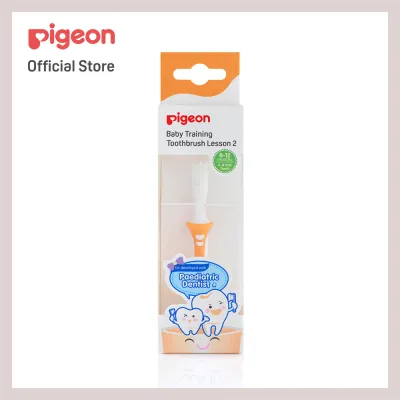
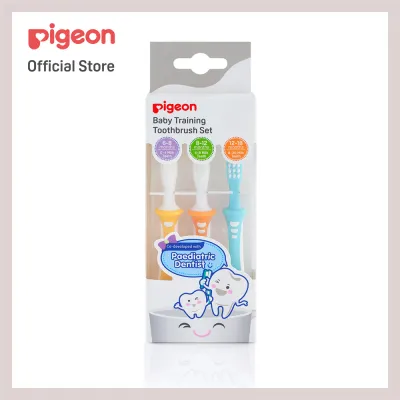
56 Lazada user ratings
Item came exactly as shown in picture. Currently baby is using Level 1 brush and baby is comfortable with it.
Fast delivery and received within a week of order. Not too sure if this works as i have yet to try it
item received in good condition. my LO seems to enjoy brushing her teeth with this
Pigeon is always my trustable brand for my baby product, good quality
Yet to try it out but authentic pigeon product so should be good
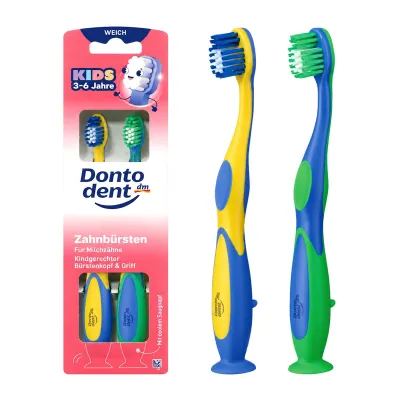
8 Lazada user ratings
First time to try this toothbrush brand for my 3 year old daughter. Hopefully she likes it. Great value for money, Easy to hold for little h…Read full reviewShow less
First time to try this toothbrush brand for my 3 year old daughter. Hopefully she likes it. Great value for money, Easy to hold for little hands,
Designed for proper dental hygiene,
Prices are valid at publication and may change. Please refer to the product page for the latest price.
It is also important to distinguish between temporary teething discomfort and persistent gum sensitivity. Teething is a developmental phase characterized by swollen, bumpy ridges where new teeth are preparing to erupt. This discomfort is usually accompanied by increased drooling, a desire to chew on hard objects, and general irritability that subsides once the tooth breaks through the surface. In contrast, persistent gum sensitivity may occur even when no teeth are actively erupting. This type of sensitivity is often caused by plaque accumulation near the gumline, which irritates the delicate tissues and can lead to mild inflammation if not cleaned gently and consistently.
While minor irritation can often be managed with gentler brushing techniques and tools, certain situations require professional guidance. You should pause brushing and consult a pediatric dentist in Singapore if you notice persistent bleeding that does not improve after switching to an ultra-soft brush, visible white or yellow spots on the teeth that could indicate early decay, or severe swelling and purple discoloration of the gums. A professional evaluation ensures that any underlying issues, such as pediatric gingivitis or structural dental concerns, are addressed early and safely.
Essential Features for a Gentle Toddler Toothbrush
Selecting a toothbrush that is gentle on sensitive gums requires a close inspection of the product’s design and materials. The most critical feature to evaluate is bristle softness. For toddlers with sensitive gums, look for brushes explicitly labeled “ultra-soft” or “extra-soft.” These bristles are typically made from fine, highly flexible synthetic filaments that bend easily under light pressure, minimizing friction against delicate tissues. Tapered bristles, which thin out at the tips, are particularly effective as they can gently clean the narrow gap between the teeth and gums without poking or scratching.

The size and shape of the brush head are equally important for preventing accidental trauma. A toddler’s mouth is incredibly small, and a brush head that is too large or has sharp, squared edges can easily bump against sensitive gums, causing sudden pain and triggering a defensive gag reflex. Choose a brush with a compact, oval, or rounded head that can comfortably maneuver around the back molars. Ideally, the brush head should only be large enough to cover one or two small teeth at a time, allowing for precise, controlled cleaning of individual surfaces.
Handle design plays a dual role in safety and control. During the toddler years, brushing is a collaborative effort; parents must perform the actual cleaning while toddlers practice holding the brush. Look for an ergonomic handle with a non-slip rubber grip that fits comfortably in your hand, allowing you to maintain steady control and prevent sudden slips that could bruise the gums. Some toddler brushes feature wide, loop-shaped handles or protective collars that prevent the brush from being pushed too far into the mouth, adding an extra layer of safety during active brushing sessions.
Finally, material safety must be verified on the product packaging before purchase. Because toddlers naturally bite down on toothbrush heads and handles, all components must be made from non-toxic, durable materials. Check the label to ensure the toothbrush is free from Bisphenol A (BPA), phthalates, and other potentially harmful plasticizers. Look for food-grade silicone or high-quality, medical-grade plastics that can withstand biting without breaking or shedding small pieces that could pose a choking hazard.
Toothbrush Types for Sensitive Gums: A Conditional Shortlist
When searching for the right toothbrush, it is helpful to view the options as a conditional shortlist tailored to your child’s age, oral development, and comfort level. Rather than searching for a single universal product, parents should match the brush design to the specific needs of their toddler’s mouth at any given time.
Silicone Finger Brushes and Teething Wipes
Silicone finger brushes and specialized oral wipes are highly suited for early toddlers, typically those between 6 and 18 months old, who are experiencing the initial eruption of front teeth. During this stage, the gums can be extremely tender, and the introduction of a traditional plastic toothbrush handle may be met with intense resistance. A finger brush, which slips over a parent’s index finger, allows you to gently massage the gums and clean newly emerged teeth using natural, intuitive pressure.
The primary benefit of a silicone finger brush is the high level of tactile feedback it provides. Because your finger is directly inside the child’s mouth, you can instantly feel how much pressure you are applying and adjust your movements to avoid sensitive spots. However, these brushes have clear limitations. They are not designed for deep plaque removal once a toddler transitions to solid foods and develops a full set of primary teeth. The thick silicone bristles cannot reach into the deep grooves of back molars as effectively as fine nylon bristles can.
Hygiene is a critical consideration when using silicone finger brushes. The soft, flexible material can easily trap moisture and oral bacteria in the crevices between the silicone nubs. To prevent bacterial buildup, these brushes must be thoroughly washed with warm, soapy water after every use. Parents should check the manufacturer’s instructions to verify if the brush can be sterilized in boiling water, a steam sterilizer, or a UV sterilizer. Always allow the brush to dry completely in a clean, well-ventilated area before storing it.
Ultra-Soft Bristle Brushes with Compact Heads
As toddlers grow and develop a more complete set of primary teeth, usually around 18 months to 3 years of age, they require a transition to traditional bristle toothbrushes. These brushes are essential for removing stubborn plaque and food debris from the chewing surfaces of the molars. For toddlers with sensitive gums, the key is to find a traditional brush that does not compromise on gentleness.
When selecting a bristle brush, careful label verification is necessary. Look for packaging that clearly states “extra-soft,” “ultra-soft,” or “micro-fine” bristles. Many reputable brands use rounded bristle tips, which undergo a polishing process during manufacturing to ensure there are no sharp, jagged edges that could scratch the gumline. Avoid any product that does not explicitly state the bristle softness, as standard “soft” bristles can still feel too abrasive on highly sensitive or inflamed gums.
The main limitation of traditional bristle brushes is that they rely entirely on the user’s technique. Because the plastic head is rigid, applying too much pressure can easily cause discomfort or minor bleeding. Parents must maintain strict control over the brushing process, guiding the brush with a very light touch. If your toddler insists on brushing independently, close supervision is required to ensure they do not scrub their teeth too vigorously or press the plastic head hard against their gums.
360-Degree and Multi-Angle Bristle Designs
For toddlers who actively resist brushing, move their heads frequently, or have uneven gum sensitivity, alternative bristle layouts can be highly effective. A 360-degree toothbrush features rings of fine bristles that wrap entirely around the brush head, while multi-angle designs position bristles at varying slants to clean multiple surfaces simultaneously.
These innovative designs are particularly beneficial because they minimize the friction and scrubbing motion required to clean the teeth. With bristles facing in every direction, the brush can clean the front, back, and chewing surfaces of the teeth at the same time, even if the toddler bites down or moves the brush around. This significantly reduces the time needed to complete a thorough cleaning, making the process much less stressful for a child with sensitive gums.
Before purchasing a 360-degree or multi-angle brush, parents must perform a few verification steps. Check the packaging to ensure the bristles are made from high-quality, ultra-soft materials and that the overall head diameter is appropriate for your toddler’s age. Some 360-degree brushes can have slightly bulkier heads due to the circular bristle arrangement, so verifying that the size matches your child’s mouth is crucial to prevent gagging or discomfort.
Navigating Purchases and Verifying Labels in Singapore
Finding the right toddler toothbrush in Singapore is relatively straightforward if you know where to look and what details to verify. Parents have access to a wide range of retail channels, including specialized baby boutiques in major shopping centers, well-stocked pharmacies, and reputable online marketplaces. While online shopping offers convenience and a broader selection of international brands, physical stores allow you to inspect the packaging firsthand to verify safety claims and bristle texture.
When examining a toothbrush package, look for specific local and international safety indicators. Ensure the packaging clearly displays the recommended age range, as a brush designed for a four-year-old will be too large and abrasive for an eighteen-month-old. Look for clear declarations of material safety, such as “BPA-free” and compliance with international safety standards (such as EN 71 or FDA food-grade material certifications). If you are purchasing from an online marketplace, buy directly from official brand stores or authorized distributors to avoid counterfeit products that may use substandard plastics or harsh, unpolished bristles.
There are several red flags parents should actively avoid when selecting a toothbrush for sensitive gums. Do not purchase brushes that lack clear labeling regarding bristle hardness, as these are often medium or hard bristles that can damage delicate gum tissue. Avoid oversized brush heads, unbranded products with strong chemical odors, and novelty brushes with heavy, unbalanced handles that make precise control difficult. Investing in a high-quality, verified brush from a reputable source is a simple way to protect your toddler’s oral health.
Techniques for Brushing Sensitive Gums Safely
Even the best toothbrush cannot protect sensitive gums if the brushing technique is too aggressive. To clean your toddler’s teeth effectively without causing pain, parents must adopt a gentle, controlled approach. Start by adjusting your grip on the toothbrush. Instead of holding the handle in a tight fist, which naturally encourages heavy pressure, hold it lightly between your thumb and fingertips, similar to how you would hold a pencil. This simple adjustment limits the amount of force you can apply, ensuring a much gentler touch.
When brushing, avoid the common mistake of scrubbing back and forth in harsh, horizontal motions. This sawing action can irritate the gumline and cause micro-tears in sensitive tissues. Instead, place the bristles at a 45-degree angle to the gumline and use very gentle, circular motions. Sweep the brush away from the gums toward the chewing surfaces of the teeth. This technique effectively sweeps away plaque and food particles while minimizing direct friction on the sensitive gum tissue.
Using the correct amount of toothpaste is also vital for safety and comfort. For toddlers under three years old, use a tiny smear of toothpaste, roughly the size of a single grain of rice. For older toddlers, a pea-sized amount is appropriate. Choose a low-abrasion, toddler-safe toothpaste that is free from harsh foaming agents like sodium lauryl sulfate (SLS), which can sometimes irritate sensitive oral tissues.
Creating a positive, low-stress environment can significantly reduce your toddler’s tension, making their gums less sensitive to the brushing process. Try incorporating playful strategies, such as singing a favorite two-minute song, brushing in front of a mirror so they can see what is happening, or letting them “brush” a favorite waterproof toy’s teeth first. When a toddler is relaxed, they are less likely to clench their jaw or pull away suddenly, reducing the risk of accidental slips and gum trauma.
Frequently Asked Questions (FAQ)
How often should I replace a toddler's toothbrush?
A toddler’s toothbrush should generally be replaced every three months, but parents must also watch for physical signs of wear. Because toddlers frequently bite down on the bristles, the brush head can wear out much faster than an adult’s. If you notice that the bristles are splayed, frayed, or bent, replace the brush immediately, as worn bristles lose their effectiveness and can become abrasive against sensitive gums. Additionally, it is highly recommended to replace the toothbrush immediately after your toddler recovers from an illness, such as a cold, flu, or hand, foot, and mouth disease, to prevent the reintroduction of bacteria or viruses into their mouth.
Can I use an adult ultra-soft toothbrush for my toddler?
No, you should never use an adult toothbrush for a toddler, even if it is labeled as ultra-soft. Adult toothbrushes are designed with much larger heads that cannot safely maneuver within a toddler’s small oral cavity, significantly increasing the risk of gagging, choking, or bruising the delicate gum tissues. Furthermore, the bristles on an adult brush are arranged in a denser, wider pattern that is too abrasive for a toddler’s developing teeth and gums. Toddler-specific brushes are engineered with precise dimensions, shorter bristle lengths, and ergonomic handles designed specifically for parental control and small hands, ensuring a safe and comfortable brushing experience.
Community discussion
Share your experience or ask a question. Comments are reviewed before publication.