
Transitioning your toddler to a structured daily routine that balances solid meals with stage 4 formula requires a clear understanding of their changing nutritional needs. By the time your child reaches three to six years of age, their primary source of nutrition must come from a diverse range of solid foods. Stage 4 formula, often designed for children in this older toddler and preschool bracket, serves as a liquid supplement rather than a meal replacement. Designing a daily feeding schedule involves aligning these milk servings with family mealtimes and childcare schedules, ensuring that milk supports their growth without spoiling their appetite for wholesome, everyday foods.
Understanding Stage 4 Formula in a Solid-Food Diet
At ages three to six, children are highly active, often attending local preschools or childcare centres. Their nutritional foundation shifts entirely to solid foods—grains, proteins, vegetables, and fruits. Stage 4 formula is formulated to complement this diet, providing specific vitamins or minerals that might be harder to secure consistently if your child experiences typical preschooler eating fluctuations.
Because formulations vary significantly between brands, you must verify the age suitability, preparation instructions, and recommended serving sizes directly from the specific product documentation. Never assume suitability based on the product name or packaging imagery alone. Some stage 4 formulas are intended for children aged two and above, while others are specifically tailored for ages three to six.
Products mentioned in this guide
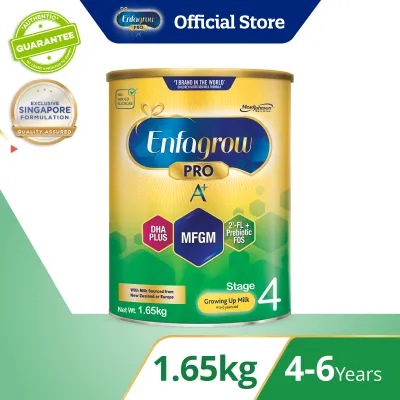
146 Lazada user ratings
Rich in nutrients for overall growth, Premium quality milk powder, Natural source of phospholipids for brain development,
got it at anniversary deal. the price of milk going up. hope next sale can get better deal
only bought 1 as I still have 2 more tins. repeated buy from enfa.
Been buying for years. Items as described. Fast delivery. A+
推荐给4-6岁的儿童, 科学配方促进儿童身心发展, 天然磷脂对大脑发育有益,

62 Lazada user ratings
Very happy with the purchase and quick delivery within 3 days. Was not at home but delivery did a good job to take photo of product Place at…Read full reviewShow less
Very happy with the purchase and quick delivery within 3 days. Was not at home but delivery did a good job to take photo of product Place at a corner for my collection.
Repeat purchase. Great offer by Lazada RedMart, which offers 2h delivery slots for customers to choose from.
💰Price:value for money. with voucher fast delivery. 😋Taste:good 📄Nutritional Value:good
New improved formula milk powder, stated from The Netherlands. Original.
Received in good condition
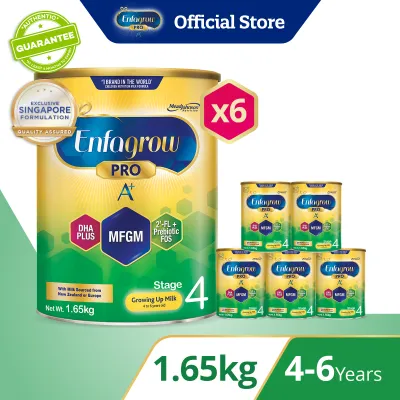
239 Lazada user ratings
Been ordering with lazada or shoppee but this round the delivery is my first time having so bad dent on the tins... It's like the delivery g…Read full reviewShow less
Been ordering with lazada or shoppee but this round the delivery is my first time having so bad dent on the tins... It's like the delivery guy just throw the carton.
📄Nutritional Value:Provides essential DHA+ for brain development, Perfect for children aged 4-6 years old, Great formula for growing kids,
💰Price: Highly recommended for children's development, Convenient and easy-to-use powdered formula,
💰Price: great price with bundle deal. 😋Taste: great taste especially with the source from Europe
Fast delivery and as per described. Items received in good condition. Good deal, will buy again.

323 Lazada user ratings
Great milk formula for children, Great value for money, been buying this formula for my 4 kids, and until now, 3 of them still drinking as a…Read full reviewShow less
Great milk formula for children, Great value for money, been buying this formula for my 4 kids, and until now, 3 of them still drinking as a daily supplement in the morning before school.
Great product! Fast shipping, perfect packaging. My child has been drinking Enfagrow since Stage 1—now Stage 4. High-quality milk powder, ri…Read full reviewShow less
Great product! Fast shipping, perfect packaging. My child has been drinking Enfagrow since Stage 1—now Stage 4. High-quality milk powder, rich in nutrients. Highly recommended!
Ordered 07 July and received 08 July.. First time after so long that Lazada delivery didn’t causes any damages to the formula i bought!! Yet…Read full reviewShow less
Ordered 07 July and received 08 July.. First time after so long that Lazada delivery didn’t causes any damages to the formula i bought!! Yet to try, will update review again..
💰Price: Good price during promotions. 😋Taste: taste good and my boy likes it 📄Nutritional Value: Rich in DHA for brain development, great!

12 Lazada user ratings
Promotes healthy growth, Helps with digestion, Great taste for kids, Supports immune system,
Order receive in good condition . Have been a repeated customer
Fast and good

32 Lazada user ratings
Didnt realise the manufacturing date was in 2021. Always thought that the milk powder was fast moving product. Always surprise that the can …Read full reviewShow less
Didnt realise the manufacturing date was in 2021. Always thought that the milk powder was fast moving product. Always surprise that the can has an overlaying sticker, first time encountering such thing. Give shipping service 3 stars because the delivery guy put the carton that blocks my neighbour walkway when we have space in front of our unit.
This is a very popular product. Luckily managed to get it at this really economical price. Thanks seller for your great product at the great…Read full reviewShow less
This is a very popular product. Luckily managed to get it at this really economical price. Thanks seller for your great product at the great price
Ordered on 01 Feb 2023. Order received the following day. Expiry dates are Aug 2024 and Oct 2023. Buyers beware!
Definitely value for money and thanks seller for the great bundled deal
fast delivery n good price plus free gift. thanks seller

99 Lazada user ratings
Supports brain development with DHA+, Enriched with Milk Fat Globule Membrane (MFGM), Long shelf life for extended usage, Scientifically for…Read full reviewShow less
Supports brain development with DHA+, Enriched with Milk Fat Globule Membrane (MFGM), Long shelf life for extended usage, Scientifically formulated for mental and physical development,
Convenient and easy-to-use powder formula, Premium quality formula for children's nutrition, Trusted brand for over 100 years,
Received within 2 days. Thank you!
fast delivery
Prices are valid at publication and may change. Please refer to the product page for the latest price.
Caregivers must also pay close attention to the preparation instructions. Using the exact scoop size and water ratio specified by the manufacturer is crucial to prevent dehydration or nutritional imbalances. Improperly diluted formula can strain a young child’s digestive system or fail to provide the intended nutritional value.
While general guidelines offer a helpful starting point, every child’s growth trajectory and dietary intake are unique. It is highly recommended to consult a pediatrician or a registered dietitian for a personalized dietary assessment. A professional can evaluate your toddler’s overall growth, identify any specific nutrient gaps, and advise on whether a stage 4 formula is necessary or how it should be integrated into their daily routine.
Building a Balanced Daily Feeding Timetable
Creating a predictable yet flexible daily routine helps your toddler anticipate meals and regulates their natural appetite. In a warm climate, keeping your child hydrated and energized throughout the day is essential, especially during outdoor play or after preschool hours. A balanced schedule typically features three main meals and two to three small snacks, with stage 4 formula strategically positioned so it does not interfere with solid food consumption.

A sample daily timetable might look like this:
- 7:30 AM – Breakfast: A serving of solid foods, such as whole-grain toast with spread or soft local noodles, accompanied by water.
- 9:30 AM – Mid-Morning Snack: A small portion of fresh fruit or yogurt.
- 11:30 AM – Lunch: A balanced plate consisting of brown rice, minced chicken or tofu, and steamed vegetables.
- 1:00 PM – Afternoon Milk: A serving of stage 4 formula, prepared according to the manufacturer's instructions, offered before their afternoon nap.
- 3:30 PM – Afternoon Snack: A light snack, such as whole-grain crackers or sliced cucumber.
- 6:30 PM – Dinner: A family meal featuring proteins, carbohydrates, and vegetables.
- 8:00 PM – Bedtime Routine (Optional): A final, smaller serving of stage 4 formula if recommended by your pediatrician, followed immediately by thorough tooth brushing to prevent dental caries.
Spacing milk servings between main meals, rather than offering them immediately before or alongside food, is a critical strategy. Milk is highly filling; serving a full cup of stage 4 formula right before lunch or dinner can easily suppress your toddler’s appetite, leading to food refusal during the meal. By treating the formula as a mid-afternoon drink or a structured part of a snack, you allow enough time for their stomach to empty before the next major meal.
Always adhere strictly to the manufacturer’s recommended daily serving limits printed on the formula packaging. Overconsumption of milk can crowd out essential solid foods, potentially leading to nutritional imbalances or a lack of dietary fiber.
While a timetable provides structure, you should always observe and respect your toddler’s natural hunger and fullness cues. Forcing a child to finish a specific portion of food or milk on a rigid clock can disrupt their innate ability to self-regulate their food intake. If they show signs of fullness, such as turning their head away, pushing the cup aside, or stating they are done, respect their decision and transition to the next activity.
Adjusting Milk and Food Portions as Your Toddler Grows
As your toddler grows from age three toward age six, their physical growth rate may slow down compared to infancy, but their physical activity levels often surge. You will likely notice shifts in their appetite. Some days they may eat substantial portions of solid foods, while other days they might seem uninterested. Recognizing the signs that your toddler is ready for larger solid food portions—such as consistently finishing their meals and asking for seconds, or showing high interest in the foods on your plate—is key to adjusting their daily intake.
When solid food intake naturally increases, you can gradually adjust their milk volumes. This adjustment must always align with the formula manufacturer’s guidelines and your child’s actual dietary patterns. If your toddler is eating three balanced, nutrient-dense meals and snacks daily, they may naturally require fewer ounces of stage 4 formula.
Never force your child to finish a bottle or cup of milk if they are already full from a nutritious meal. Forcing consumption can lead to overfeeding and create negative associations with mealtimes. Instead, transition your child to a cup if you have not already done so, as drinking from a cup encourages self-regulation and supports oral motor development.
If you are unsure whether your toddler is getting the right balance of solids and milk, consider keeping a brief food and milk diary for three to five days. Note down the times, approximate portions of solid foods eaten, and the exact volume of stage 4 formula consumed. This diary provides concrete, observable data that you can share with a healthcare professional during routine developmental checks, making it much easier to tailor their feeding plan safely.
Navigating Common Mealtime Challenges
Picky eating, sudden milk refusal, and fluctuating appetites are entirely normal developmental phases for toddlers aged three to six. To manage these hurdles, focus on establishing a consistent, distraction-free mealtime environment. Turn off televisions, put away tablets and mobile phones, and sit together at the dining table. A calm, predictable environment reduces anxiety around eating and encourages mindful consumption of both solids and liquids.
When your toddler’s milk intake varies, or if they go through a phase of refusing their stage 4 formula, prioritize offering a wide variety of nutrient-dense solid foods. Incorporate calcium-rich foods like tofu, dark leafy greens, and fortified cereals, alongside diverse protein sources and colorful vegetables. This ensures they continue to receive essential vitamins and minerals even if their liquid supplement intake temporarily drops.
It is vital to establish clear stop conditions for parental intervention. If you observe persistent food or milk refusal, noticeable weight loss, lethargy, or signs of nutritional deficiency (such as unusually pale skin or frequent illness), halt any attempts at forced feeding immediately. Do not try to diagnose the issue yourself or rely on online forums. Instead, seek immediate guidance from a qualified pediatrician or healthcare professional to rule out underlying medical conditions and receive a safe, professional management plan.
Frequently Asked Questions (FAQ)
Can I mix stage 4 formula with solid foods like oatmeal?
Yes, you can use prepared stage 4 formula to mix with solid foods like oatmeal, porridge, or mashed fruits, but you must do so carefully. Always check the formula manufacturer’s instructions regarding mixing the powder or prepared liquid with hot foods. Heating prepared formula improperly, boiling it directly on the stove, or mixing the powder with boiling water can destroy heat-sensitive vitamins and essential nutrients. To preserve the nutritional value, prepare the formula separately using lukewarm water according to the package instructions, and then stir it into the cooked oatmeal or porridge once it has cooled down to a safe, warm eating temperature. Consult the product label or your pediatrician for safe preparation methods and appropriate food pairings.
What if my toddler drinks less milk than the label recommends?
It is common for toddlers to drink less milk than the maximum daily amount suggested on the packaging, especially as their solid food intake and variety increase. The recommendations on the label are general guidelines, not strict requirements for every child. If your toddler is active, growing well, and consuming a balanced diet of solid foods, a lower milk intake is usually not a cause for concern. Monitor your child’s overall hydration (checking for regular wet diapers or frequent urination), energy levels, and general growth patterns. Always consult a pediatrician or a registered dietitian to ensure your child is meeting their daily nutritional and caloric needs through their solid food diet before making any drastic changes to their feeding schedule.
Community discussion
Share your experience or ask a question. Comments are reviewed before publication.