
Preparing infant formula correctly can feel overwhelming for parents who want to ensure their baby receives proper nutrition without compromising safety. To prepare Friso formula safely, you must clean and sterilize all feeding equipment, boil fresh water and cool it to the manufacturer’s recommended temperature (which may vary to protect heat-sensitive nutrients), and use the exact scoop provided in your specific tin to measure the correct water-to-powder ratio before mixing and testing the temperature on your wrist.
Following these steps systematically helps protect your baby’s developing digestive and immune systems. Each stage of formula has unique requirements, making a consistent preparation routine essential for your child’s health and comfort.
What Do You Need to Check on the Friso Packaging Before Mixing?
Before mixing, you must check the specific Friso product line, stage number, expiration date, safety seal, and the feeding guide table on the back of the tin to determine the exact water volume and scoop count required for your baby’s age. Each Friso formula tin is tailored to a specific developmental stage, and the nutritional concentration and scoop size can vary between these stages.
Products mentioned in this guide
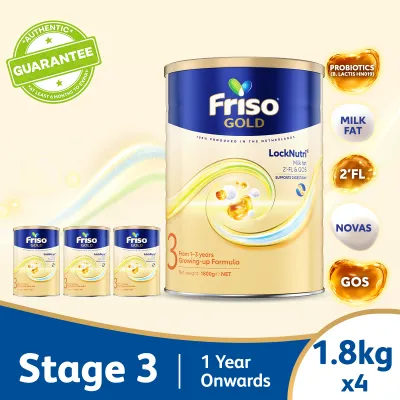
201 Lazada user ratings
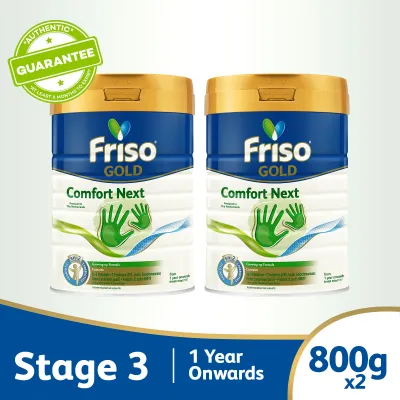
Friso Gold 3 is a trusted growing-up milk with a smooth taste that kids enjoy. It mixes easily and is gentle on digestion, with nutrients th…Read full reviewShow less
Friso Gold 3 is a trusted growing-up milk with a smooth taste that kids enjoy. It mixes easily and is gentle on digestion, with nutrients that support growth, immunity, and overall development for active toddlers.
Received the item but the delivery person just leave it at the doorstep. Still will buy from this seller coz I’ve been buying from them and …Read full reviewShow less
Received the item but the delivery person just leave it at the doorstep. Still will buy from this seller coz I’ve been buying from them and I got no issue.
Received it few days after order. Hmm 2 of the tin was slightly dented. Received with the free gift which intrigued my lil boy
Received milk on time. Bought on 6.6 sale . Received a free gift also. Tricycle is really nice . Thank you 😊
worst delivery by far. Two out of 4 tins dented
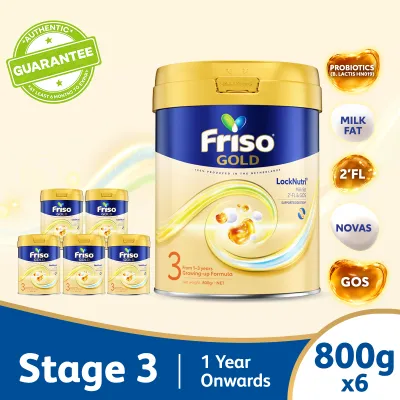
141 Lazada user ratings
well received and manufactured date is on dec 2020
Good packaging. But very long delivery. > 1week.
fast delivery and worth the buy!
all the items well packed.
nicely packed
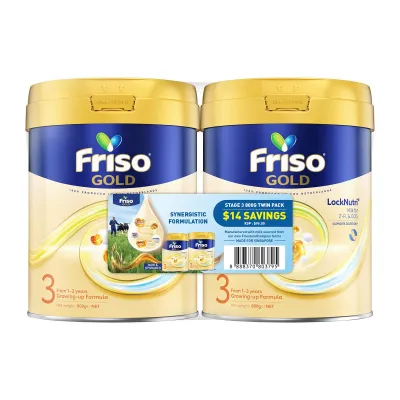
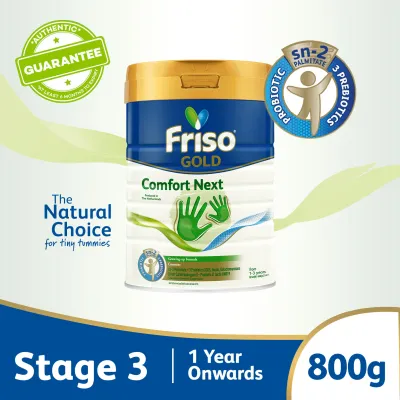
47 Lazada user ratings
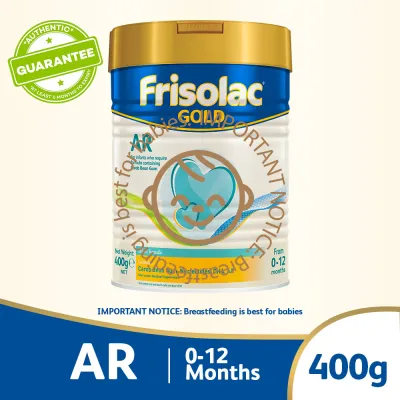
Seller is fast in sending out the item. This series of milk powder is suitable for toddlers with constipation issue.
Promotes healthy growth and immunity, High-quality ingredients, safe for consumption, Good value for money,
products delivered quickly, arrived in good condition and as described.
item arrived quickly and was well packed. definitely will buy again.
65 Lazada user ratings
My toddler loves it, Highly recommended for 1-year-olds,
My toddler loves it, Friso Gold is the best, Healthy
Item came nicely packed with fragile sticker
Great milk for toddlers,
206 Lazada user ratings
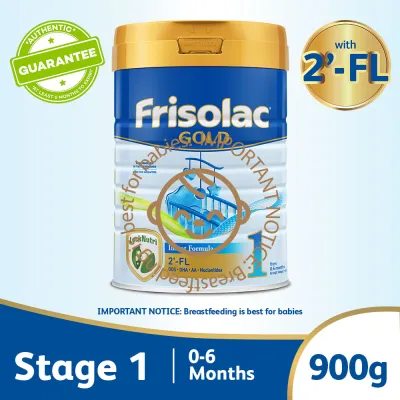
📄Nutritional Value: Supports baby's development and immune system, ⏱️Convenience: Easy to prepare and mix, 😋Digestibility: better than others
📄Nutritional Value: High-quality milk for newborns, ⏱️Convenience: Easy to prepare and mix, 😋Digestibility: best of the best
Trusted brand for newborn nutrition, Expertly crafted with dairy science expertise,
packed nicely and fast delivery. still the best formula milk.
Fast delivery and item came well packed.
57 Lazada user ratings
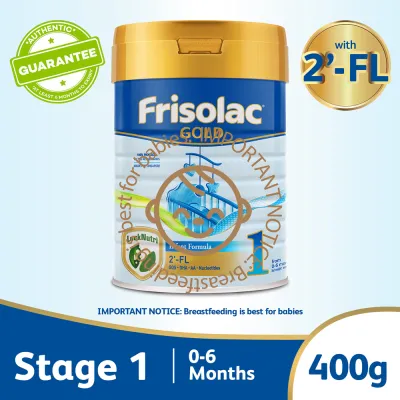
Received with good conditions.
Fast delivery! Recommended
Well packaging
100 Lazada user ratings
item received in good condition. fast delivery as well. still have 1 yr expiry date.
Quality packaging yet to use
great! ordering some more!
Quick and on point!
Fast and on point!
Prices are valid at publication and may change. Please refer to the product page for the latest price.
Locate the stage number clearly printed on the front of the tin. Ensure this stage matches your baby’s current age bracket as recommended by your healthcare provider. Using the wrong stage can result in an imbalance of nutrients, as infant digestive systems require varying levels of proteins, fats, and vitamins.
Turn the tin to find the feeding guide table. This table provides a precise schedule detailing how much water and how many scoops of powder are needed per feed based on your baby’s age or weight. Never guess these measurements; always refer to the table on the exact tin you are currently using.
Examine the recommended preparation instructions on the label, paying close attention to any specific water temperature warnings. Some Friso products contain heat-sensitive ingredients, such as probiotics, which can be damaged if mixed with boiling water. Finally, verify that the expiration date printed on the base of the tin has not passed and that the protective foil seal under the plastic lid is fully intact before your first use.
How Should You Clean and Sterilize the Feeding Equipment?
To clean and sterilize feeding equipment, you must wash your hands thoroughly with soap and water, wash all bottles, teats, collars, and caps in warm soapy water with a dedicated brush, and then sterilize them using boiling water, a steam sterilizer, or a cold-water chemical solution. Proper hygiene is critical because an infant’s immune system is still developing, making them highly susceptible to foodborne illnesses.

Begin by washing your hands for at least 20 seconds with clean water and soap, drying them with a clean paper towel. Clean the preparation surface where you will assemble the bottles to prevent cross-contamination.
Disassemble all bottle parts completely. Wash each component thoroughly in warm, soapy water. Use a clean, dedicated bottle brush to scrub the inside of the bottles and a smaller teat brush to clear any dried milk residue from the holes in the teats. Rinse all parts under clean, running water.
Sterilize the cleaned equipment using your chosen method. If boiling, submerge all parts in a large pot of boiling water for at least five minutes, ensuring no air bubbles are trapped inside. If using an electric steam sterilizer or a microwave sterilizer, follow the manufacturer’s instructions carefully. Once sterilized, remove the items with clean tongs and place them on a clean, dry surface to air-dry completely before assembly.
What Is the Safe Water Temperature for Mixing Infant Formula?
The safe water temperature for mixing infant formula depends on a balance between general public health guidelines, which recommend water at or above 70°C to eliminate potential bacteria, and the manufacturer’s specific instructions to protect heat-sensitive nutrients. Finding the correct balance requires checking your specific Friso tin and considering your baby’s health status.
Public health organizations, such as the World Health Organization, generally advise boiling fresh tap water and letting it cool for no more than 30 minutes so that it remains at a temperature of at least 70°C when mixed. This high temperature is sufficient to kill any harmful bacteria, such as Cronobacter sakazakii, which can occasionally be present in dry powdered formula.
However, some Friso formulations contain delicate ingredients like probiotics or specific vitamins that can be deactivated or destroyed by water at 70°C. For these specific products, the manufacturer’s label may instruct you to cool the boiled water down to approximately 40°C (lukewarm) before adding the powder.
To resolve this conflict safely, read the preparation instructions on your specific Friso tin carefully. If your baby was born prematurely, had a low birth weight, or has a compromised immune system, the risk of bacterial infection is significantly higher. In such cases, consult your pediatrician or a qualified healthcare professional for personalized guidance.
How Do You Measure the Correct Water-to-Powder Ratio for Your Baby's Stage?
You measure the correct water-to-powder ratio by pouring the exact volume of cooled, boiled water into the sterilized bottle first, then adding the precise number of level scoops of powder using only the scoop provided inside that specific tin. Maintaining the exact ratio is vital to ensure your baby receives the correct balance of hydration and nutrients.
Always pour the water into the bottle before adding the powder. Measuring the water first ensures that the volume is accurate; adding powder first occupies space in the bottle, making it difficult to measure the water volume correctly and leading to an over-concentrated feed. Read the water level at eye level on a flat surface to ensure accuracy.
Use only the plastic scoop that comes packaged inside your current tin of Friso. Scoop sizes are not standardized across different brands, and they can even vary between different stages of the same Friso product line. Using a scoop from a different tin can result in feeding your baby too much or too little formula powder.
To measure the powder, scoop up a generous amount so that it heaps over the top of the scoop. Use the built-in leveler on the rim of the Friso tin, or a clean, sterilized knife, to level off the top of the scoop. Do not pack the powder down into the scoop, and do not tap the scoop against the side of the tin, as this compacts the powder and adds extra, unmeasured formula to the bottle. Refer to the feeding table on the packaging to match the number of scoops to the volume of water.
What Is the Proper Technique for Mixing and Testing the Formula Temperature?
The proper technique for mixing formula is to secure the teat and cap onto the bottle and gently swirl or roll it between your hands until the powder is fully dissolved, followed by testing the temperature on the inside of your wrist. This method ensures the powder dissolves completely without introducing excessive air into the milk.
Avoid shaking the bottle vigorously up and down. Vigorous shaking creates a large volume of air bubbles in the formula, which your baby can swallow during feeding, leading to painful gas, colic, and general digestive discomfort. Instead, hold the bottle upright and roll it gently between your palms or swirl it in a circular motion until no clumps of powder remain at the bottom.
Before offering the bottle to your baby, you must test the temperature of the liquid. Shake a few drops of the mixed formula onto the inside of your wrist; it should feel lukewarm or slightly cool. If the liquid feels hot on your skin, it is too hot for your baby and can cause serious burns to their mouth and throat.
If the formula is too warm, cool the bottle quickly by holding the lower half under cold running tap water or placing it in a bowl of cold water. Be careful not to let the cooling water reach the collar or teat of the bottle to avoid contamination. Never use a microwave to heat or warm formula, as microwaves heat liquids unevenly and create dangerous “hot spots” that can burn your baby even if the outside of the bottle feels cool.
How Should You Store and Handle Leftover Formula Safely?
You must discard any formula left in the bottle within one hour of starting a feed, while untouched, freshly prepared formula can be stored in the refrigerator for up to 24 hours if cooled immediately. Proper storage and handling prevent the rapid growth of harmful bacteria in the milk.
Once your baby begins drinking from a bottle, bacteria from their saliva enter the milk through the teat. These bacteria thrive and multiply quickly in the warm, nutrient-rich environment of the formula. For this reason, any formula remaining in the bottle after a feeding session must be thrown away within one hour; never store leftover formula in the refrigerator or reheat it for a subsequent feed.
If you need to prepare formula in advance, you may store untouched bottles that have not come into contact with your baby’s mouth. Cover the sterilized bottle with its cap and place it immediately in the coldest part of the refrigerator, typically near the back, at a temperature of 4°C or lower. Do not store formula in the refrigerator door, where temperature fluctuations occur frequently.
Use any refrigerated, untouched formula within 24 hours of preparation, or within the specific timeframe recommended on your Friso packaging. To warm a refrigerated bottle, place it in a bowl of warm water or use a bottle warmer. Always shake the bottle gently to redistribute the heat and test the temperature on your wrist before feeding.
When Should You Consult a Pediatrician About Formula Preparation?
You should consult a pediatrician or healthcare professional if your baby was born prematurely, had a low birth weight, has a compromised immune system, or shows signs of digestive issues, allergic reactions, or poor growth. Professional medical advice ensures that your feeding practices align with your baby’s unique health requirements.
Infants with specific medical conditions or those who are immunocompromised often require specialized feeding protocols. Your pediatrician can advise you on whether you need to use water boiled to a specific temperature, select a specialized formula line, or implement stricter sterilization techniques than those used for healthy, full-term infants.
Watch your baby closely for any signs of physical discomfort or adverse reactions after feeding. If your baby experiences persistent vomiting, excessive spitting up, severe abdominal gas, watery diarrhea, blood in the stool, skin rashes, or difficulty gaining weight, contact your doctor immediately. These symptoms may indicate a food allergy, lactose sensitivity, or another underlying digestive issue that requires professional evaluation.
Additionally, seek professional guidance before transitioning your baby from one formula stage to another. Your pediatrician can help confirm that your baby’s digestive system is mature enough for the transition and that the new stage meets their evolving nutritional needs.

Community discussion
Share your experience or ask a question. Comments are reviewed before publication.