
Preparing infant formula correctly is one of the most vital tasks for a newborn’s caregiver. For parents using NAN Stage 1, achieving the precise balance of water and powder while maintaining strict hygiene standards is essential to support your baby’s developing digestive system. Because newborns have highly sensitive immune systems and kidneys, even minor deviations from the manufacturer’s preparation instructions can impact their hydration, nutrition, and overall well-being. Always consult your pediatrician or a qualified healthcare professional before introducing formula or making changes to your infant’s feeding regimen.
What You Need Before Mixing the Formula
Before you begin preparing a bottle of NAN Stage 1, setting up a clean, organized workspace is critical to prevent contamination. Start by thoroughly washing your hands with soap and warm water for at least twenty seconds, paying close attention to the backs of your hands, between your fingers, and under your fingernails. Dry your hands with a clean, single-use paper towel or a dedicated clean cloth. Next, ensure that the kitchen counter or prep surface is thoroughly cleaned and sanitized.
Gather all the necessary feeding equipment, which must be cleaned and sterilized before every use. This includes the baby bottle, the teat, the screw ring, and the protective cap. Sterilization can be achieved using a dedicated steam sterilizer, boiling the components in water for at least five minutes, or using a cold-water sterilizing solution according to the manufacturer’s instructions. Keep the sterilized items on a clean, dry surface until you are ready to assemble them.
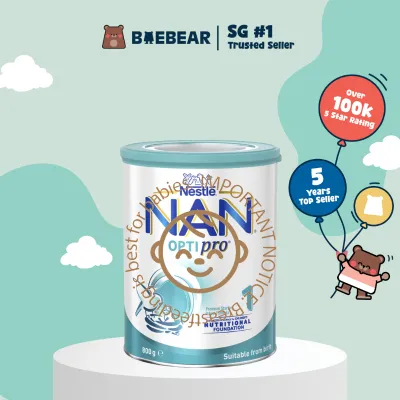
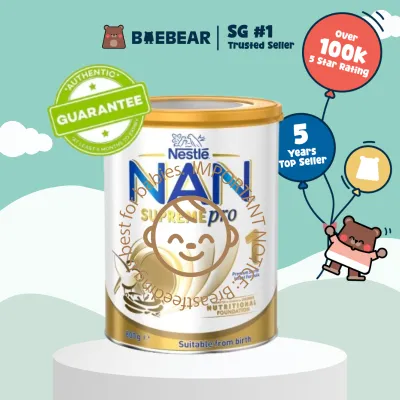
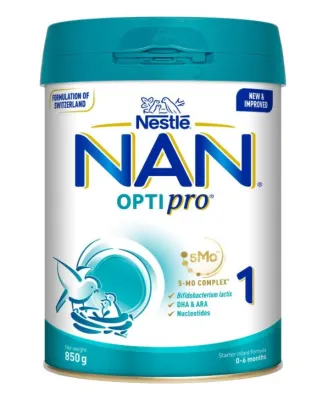
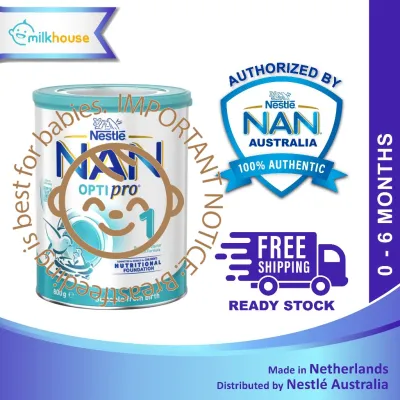
Products mentioned in this guide
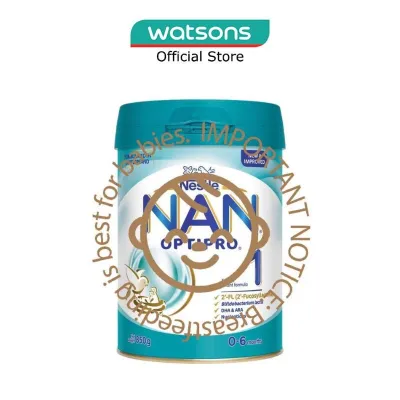
87 Lazada user ratings
Bifidus probiotics for a healthy gut, Optimized blend for optimal growth, Convenient packaging for on-the-go parents, Recommended by pediatr…Read full reviewShow less
Bifidus probiotics for a healthy gut, Optimized blend for optimal growth, Convenient packaging for on-the-go parents, Recommended by pediatricians, High-quality ingredients for peace of mind
well received after 2 days. considered quick delivery. expiry in end 2024. like this new packaging.
Fast delivery and well packed to protect the tin. Good alternative to supermarket.
Easy to prepare and mix,
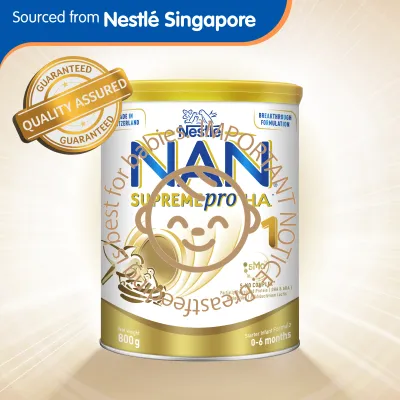
226 Lazada user ratings
Gentle on baby's stomach, Convenient and easy to prepare,
Long shelf life, Great formula for sensitive tummies,
Very fast delivery. Easy to dissolve in water.
Received nicely packed.. happy with purchase
Provides essential nutrients for growth,
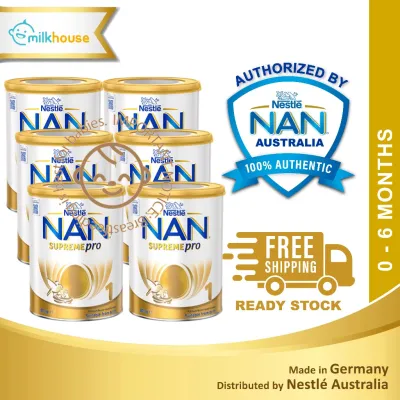
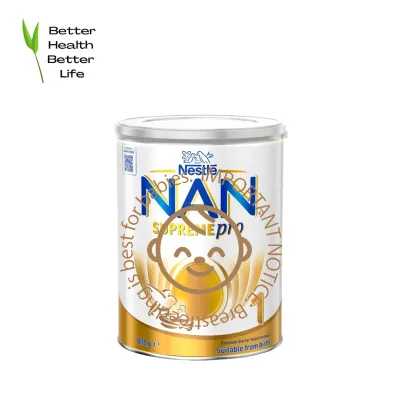
6 Lazada user ratings
Supports brain development. Premium infant nutrition. Fast delivery n received in good condition. will purchase again if got promotion.
Buy for upcoming newborn baby. The packaging is good no dent. Expiry date mar 2027
Value for money and taste the same. Will buy again if needed..
286 Lazada user ratings
I ordered Nan 2 bundle of 6 but u send me nan1 & bundle of 12!!! I tried asking for replacement but till now no reply very disappointing!!! …Read full reviewShow less
I ordered Nan 2 bundle of 6 but u send me nan1 & bundle of 12!!! I tried asking for replacement but till now no reply very disappointing!!! Can u this supplier contact me asap for an exchange!!!
Genuine product, highly recommended., Good packaging, arrived in perfect condition.,
Amazing fast delivery! Enjoyed the whole purchase process. Thank you seller!
Fast delivery. Good condition. Expiry date in January 2024
186 Lazada user ratings
Great value for money, Convenient packaging, this is first time to try for my 8months baby 👶 mild smell and less sweetness is perfect but my…Read full reviewShow less
Great value for money, Convenient packaging, this is first time to try for my 8months baby 👶 mild smell and less sweetness is perfect but my baby haven’t liked it I will try to few more days to go for her to feed hope will works fast delivery 🚚 seller response also good 🙏🏼
Value for Money:buying three for the price of two. Good buy! However, take note that it’s packaging js different as it doesn’t say, “made in…Read full reviewShow less
Value for Money:buying three for the price of two. Good buy! However, take note that it’s packaging js different as it doesn’t say, “made in Switzerland”.
The 1st time I purchased it from this seller, it was cheaper than the retail store, I will buy it again if I get a promotion. 😃
Received quickly and in good condition. Multiple purchases with them already with long product expiry date. Trusted store.
📄Nutritional Value: good Good and long expiry thanks seller
7 Lazada user ratings
Delivery is too slow.
Prices are valid at publication and may change. Please refer to the product page for the latest price.
Next, inspect the NAN Stage 1 formula tin. Check the expiration date printed on the bottom of the can to ensure the product is fresh and safe for consumption. Examine the outer seal and the inner foil lid; do not use the formula if the tin is dented, damaged, or if the foil seal has been punctured or compromised. Locate the enclosed measuring scoop inside the tin. This specific scoop is calibrated precisely for the powder in that exact tin, so never substitute it with a scoop from another brand, a different stage of formula, or standard kitchen measuring spoons.
Step-by-Step Guide to Prepare NAN Stage 1
Preparing NAN Stage 1 requires a systematic approach to ensure the formula is safe, sterile, and mixed to the correct concentration. Begin by preparing the water. Bring fresh, clean tap water to a rolling boil in a kettle or saucepan. Once boiled, allow the water to cool down until it is lukewarm. This cooling step is crucial; using water that is too hot can degrade essential nutrients and beneficial cultures that may be present in the powder, while water that is too cold may not allow the powder to dissolve fully. Check the product label for the manufacturer’s recommended cooling time and temperature.

Measure the exact volume of cooled, boiled water required for the feed and pour it directly into the sterilized bottle. Always pour the water into the bottle first, before adding any powder. Measuring the water first ensures that you have the precise volume needed for the correct dilution. If you add the powder first, it displaces the water, making it impossible to measure the liquid volume accurately, which can lead to an over-concentrated feed. Use the clear graduation markings on the side of the bottle to verify the water level at eye level on a flat surface.
Once the water is in the bottle, open the formula tin and locate the enclosed scoop. Scoop the powder gently from the tin, allowing it to heap over the top of the scoop. Use a clean, dry, flat edge—such as the back of a sterilized butter knife or the built-in leveling lip on the tin if available—to level off the powder. Slide the flat edge across the top of the scoop to remove the excess powder. Do not press, pack, or tap the scoop against the side of the tin, as this compacts the powder and results in adding too much formula to the bottle, altering the safe ratio.
Add the exact number of level scoops to the water as indicated by the feeding table on the NAN Stage 1 packaging. The feeding table provides guidelines based on your baby’s age and weight, but you should verify these amounts with your pediatrician. Add one scoop at a time, counting carefully to avoid mistakes. If you lose count, it is safest to empty the bottle, rinse it, and start the process over again to prevent under- or over-diluting the mixture.
After adding the correct number of scoops, place the sterilized teat and screw ring onto the bottle and secure the cap tightly. To mix the formula, avoid shaking the bottle vigorously up and down. Shaking introduces excessive air bubbles into the milk, which your newborn can swallow, potentially leading to painful gas, bloating, and colic-like symptoms. Instead, gently roll the bottle horizontally between the palms of your hands, or swirl it in a circular motion. This technique allows the powder to dissolve smoothly into the water without creating unnecessary froth or clumps.
Checking Temperature and Feeding Readiness
Before offering the prepared bottle to your newborn, you must perform a final safety check to ensure the milk is at a comfortable and safe temperature. A newborn’s mouth is highly sensitive, and milk that is too hot can cause serious burns. To test the temperature, shake a few drops of the prepared formula onto the inside of your wrist. The skin on the inside of your wrist is thin and sensitive, making it an ideal testing spot. The milk should feel pleasantly lukewarm or neutral—neither hot nor cold against your skin.
If the formula feels too warm on your wrist, you must cool it down before feeding. To do this safely, hold the lower half of the sealed bottle under cold running tap water, or submerge the bottle in a bowl of cold water or ice water for a few minutes. Ensure that the water level in the bowl remains well below the cap of the bottle to prevent any tap water from seeping into the teat area. After cooling, dry the outside of the bottle with a clean towel and retest the temperature on your wrist before feeding. Never use a microwave to heat or warm formula, as microwaves heat liquids unevenly, creating dangerous “hot spots” that can burn your baby’s mouth.
In addition to checking the temperature, perform a quick visual inspection of the bottle. Hold the bottle up to the light and gently swirl it to check for any undissolved clumps of powder at the bottom or sides of the glass or plastic. The liquid should be completely smooth and uniform in color. Ensure that the final volume of the prepared formula is slightly higher than the initial water volume you poured; this is normal, as the dissolved powder adds volume to the liquid.
Safe Storage and Handling of Prepared Formula
Proper storage and handling of prepared formula are critical to prevent the growth of harmful bacteria, which can multiply rapidly in warm, nutrient-rich milk. Once you have mixed a bottle of NAN Stage 1, it is best served immediately. If you are not planning to feed your baby right away, you must store the prepared bottle in the refrigerator immediately. Ensure your refrigerator is set to a temperature of 4°C or below. Prepared, untouched formula can be stored in the refrigerator for up to 24 hours. Clearly label the bottle with the date and time of preparation so you know exactly when it must be discarded.
If the prepared bottle has been kept at room temperature, it must be used or stored safely within a strict timeframe. Generally, any prepared formula left at room temperature must be consumed or refrigerated within two hours of mixing. In warm climates, such as Singapore’s humid environment, bacteria can grow even faster, so reducing the time the bottle sits out is highly recommended. If a bottle has been sitting at room temperature for longer than two hours, do not risk your baby’s health—discard it immediately.
The rules change significantly once your baby begins drinking from the bottle. As your baby feeds, bacteria from their saliva enter the bottle through the teat and mix with the milk. This introduces contamination that can multiply quickly, even if the bottle is placed back in the refrigerator. Therefore, any leftover formula remaining in the bottle after a feeding session must be discarded within one hour from the start of the feed. Never save leftover milk for a later feed or mix it with fresh formula, as this poses a serious safety risk to your newborn.
Common Mistakes to Avoid When Mixing Formula
Caregivers often make well-intentioned adjustments to formula preparation that can inadvertently harm their newborn. One of the most critical mistakes is altering the water-to-powder ratio. Some parents may add an extra scoop of powder, believing it will help their baby sleep longer or gain weight faster. However, over-concentrated formula strains a newborn’s immature kidneys and can lead to severe dehydration, constipation, and digestive distress. Conversely, adding extra water to stretch the formula or make it easier to digest dilutes essential nutrients and calories, which can lead to poor growth and water intoxication.
Another common error is using water at incorrect temperatures. Using boiling water directly from the kettle to mix the powder can destroy heat-sensitive vitamins and beneficial nutrients formulated into NAN Stage 1. On the other hand, using unboiled tap water or water from an unverified source poses a risk of introducing harmful pathogens to your baby’s undeveloped immune system. Always ensure the water is boiled first to sterilize it, and then allowed to cool to a safe, lukewarm temperature before mixing.
Lastly, avoid using alternative measuring devices. The scoop provided in your specific tin of NAN Stage 1 is designed precisely for that formula’s density and nutritional profile. Using a scoop from a different brand, a different stage of NAN, or standard household spoons can result in inaccurate measurements. Always store the scoop clean and dry, and never leave it resting inside the powder if it is wet, as moisture can cause the remaining powder in the tin to clump and spoil.
Frequently Asked Questions (FAQ)
Can I Use Distilled or Mineral Water to Prepare NAN Stage 1?
Using the right water source is essential for protecting your newborn’s health. Mineral water, especially bottled varieties with high mineral content, is not recommended for preparing infant formula. A newborn’s kidneys are still developing and cannot efficiently process high levels of minerals like sodium, calcium, or magnesium, which can lead to renal strain. Distilled water, while free of minerals, is also not ideal for routine use unless specifically recommended by your pediatrician, as it lacks natural trace elements. In Singapore, tap water is safe and potable, but it must still be boiled and cooled for newborns. Always check the NAN Stage 1 packaging instructions or consult your pediatrician to determine the safest water source for your baby’s specific needs.
What Should I Do If My Baby Refuses the Freshly Prepared Bottle?
If your newborn refuses a freshly prepared bottle, safety must remain your top priority. If the baby’s mouth has touched the teat, the one-hour countdown begins immediately; any milk left after one hour must be discarded due to bacterial contamination from saliva. If the bottle is completely untouched and has been sitting at room temperature, you can store it in the refrigerator (at 4°C or below) for up to 24 hours, or discard it if it has sat out for more than two hours. Before trying again, check if there is an underlying reason for the refusal. The milk might be too warm or too cold, the teat might be clogged, or the flow rate of the teat may be too fast or too slow for your newborn’s comfort. If refusal persists, consult a healthcare professional to rule out any feeding difficulties or health concerns.

Community discussion
Share your experience or ask a question. Comments are reviewed before publication.