
Transitioning your growing toddler from a Stage 2 follow-on formula to a Stage 3 growing-up formula like Isomil Stage 3 is a significant developmental milestone, but it can often trigger parental anxiety over potential digestive issues like bloating, constipation, or feed refusal. The most effective way to navigate this transition smoothly is to implement a gradual, systematic replacement of feeds over a period of seven to ten days, allowing your toddler’s developing digestive system ample time to adapt to the new nutritional profile. By closely monitoring your child’s physical cues and maintaining precise preparation standards, you can support a seamless transition that keeps their digestive comfort intact.
How do you know if your toddler is ready to switch to Isomil Stage 3?
Determining the right time to transition your toddler to Isomil Stage 3 requires looking at both chronological age and physical developmental milestones, rather than simply making a sudden change on their first birthday. Most stage 3 formulas are designed for toddlers aged twelve months and older, serving as a nutritional supplement to an increasingly varied solid food diet. Before making any changes, you must carefully inspect the product packaging of Isomil Stage 3 to verify the manufacturer’s specific age recommendations, weight guidelines, and preparation instructions, as these can vary by region and formulation.
Your toddler’s readiness is also indicated by their overall relationship with solid foods. Around the one-year mark, toddlers should be establishing a routine of three balanced meals a day, using formula as a secondary source of nutrition rather than their primary calorie provider. If your child is actively exploring different textures, demonstrating improved chewing abilities, and showing curiosity about family meals, their digestive tract is likely mature enough to handle the slightly different protein and mineral concentrations found in a stage 3 toddler formula.
Products mentioned in this guide

263 Lazada user ratings
Perfect for kids with special feeding needs, Soy goodness for growing kids, Trusted brand for your child's nutrition, Convenient and nutriti…Read full reviewShow less
Perfect for kids with special feeding needs, Soy goodness for growing kids, Trusted brand for your child's nutrition, Convenient and nutritious formula, Great alternative for lactose-intolerant kids,
Perfect for kids with special feeding needs, Convenient and nutritious formula, Healthy choice for vegetarian families, Soy goodness for gro…Read full reviewShow less
Perfect for kids with special feeding needs, Convenient and nutritious formula, Healthy choice for vegetarian families, Soy goodness for growing kids,
Convenient and nutritious formula, Healthy choice for vegetarian families, Trusted brand for your child's nutrition,
Trusted brand for your child's nutrition, Healthy choice for vegetarian families, Soy goodness for growing kids,
Trusted brand for your child's nutrition, Great alternative for lactose-intolerant kids, good for kids

154 Lazada user ratings
Healthy choice for vegetarians, Promotes healthy growth and development, Suitable for lactose-intolerant kids, Easy to prepare and mix, Trus…Read full reviewShow less
Healthy choice for vegetarians, Promotes healthy growth and development, Suitable for lactose-intolerant kids, Easy to prepare and mix, Trusted brand for children's nutrition, Nutritious formula for growing kids
was genuinely surprised and very pleased that these came with no dents at all on all the tins. they didn't even have bubble wrap and conditi…Read full reviewShow less
was genuinely surprised and very pleased that these came with no dents at all on all the tins. they didn't even have bubble wrap and condition is perfect. bonus that expiry is long in 2028
💰Price:good price. better than retail! 😋Taste:baby likes it. no complain. 📄Nutritional Value:Healthy choice for vegetarians, Trusted brand f…Read full reviewShow less
💰Price:good price. better than retail! 😋Taste:baby likes it. no complain. 📄Nutritional Value:Healthy choice for vegetarians, Trusted brand for children's nutrition.
Did not pack well. Some are damaged. Requested to replace the damaged one. Do not have any cushion materials for these heavy milk power.

273 Lazada user ratings
Item received in good conditions. This time round the delivery took abit long but its fine.
was waiting for the restock. good price and came faster than expected . good!
Milk mIlk is my baby favourite. Day in day out keep calling for milk milk.
Cheaper than retail price, will buy more of this for my next purchase
Item received in good conditions. Delivery was fast as well.

40 Lazada user ratings
this was from awhile ago, dont really remember much of it so it should be ok. I mean it's a good thing since i have no complains that were n…Read full reviewShow less
this was from awhile ago, dont really remember much of it so it should be ok. I mean it's a good thing since i have no complains that were noted
Delivery came in 4 days. Well packaged. Expiry date in 2023. Will buy again.
Well packed and good expiry date. 5 stars
thank you for your prompt delivery
97 Lazada user ratings
Sorry for late review. Very fast delivery. milk cans arrived safely and in good condition.
isomil is a good product which unfortunately keeps increasing in price. hahaha.
Repeat purchase of the same milk powder. Fast and prompt delivery
good for my five year old son. came securely packed in a carton.

53 Lazada user ratings
this storr sells very cheap compared to othres so i will keep huying.
Extrne ell packeda delivers fast even touh I select free delivery.
have bought this for many a times and its always good and fast.
Prices are valid at publication and may change. Please refer to the product page for the latest price.
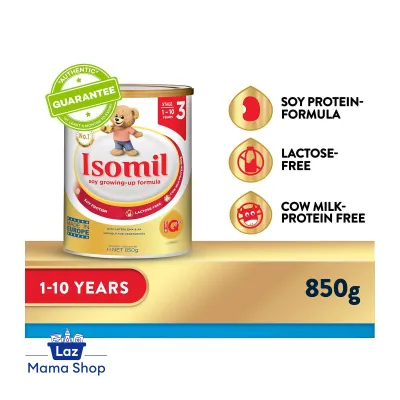
However, age and eating habits are not the sole indicators of readiness. You must review the nutritional profile on the label to understand how the ingredients align with your toddler’s current dietary needs. Isomil Stage 3 is a soy-based formula, often chosen for toddlers who require an alternative to cow’s milk-based options due to lactose sensitivity or other dietary preferences. Because soy formulations have distinct nutritional compositions, verifying that the vitamin, mineral, and protein levels meet your child’s specific developmental requirements is a crucial step before initiating the switch.
It is highly recommended to consult a paediatrician or a registered dietitian before starting the transition, especially if your toddler has a history of food allergies, severe eczema, gastroesophageal reflux, or specific growth concerns. A healthcare professional can evaluate your child’s growth charts and dietary history to confirm that a soy-based stage 3 formula is the most appropriate choice for their ongoing development. They can also provide personalized advice on how to balance formula intake with solid foods to prevent nutritional gaps or excessive calorie consumption.
What is the safest step-by-step method to introduce Isomil Stage 3?
The safest and most reliable method to introduce Isomil Stage 3 is a gradual, feed-by-feed replacement strategy spread over seven to ten days, which prevents overwhelming your toddler’s digestive enzymes and taste preferences. Rather than mixing different formula powders together in a single bottle—which can dangerously alter the osmotic concentration and lead to dehydration or kidney strain—you should replace one full feed of the old formula with a separately and correctly prepared feed of the new formula. This systematic approach allows you to isolate any adverse reactions to a specific time of day and gives the gut microbiome time to adjust to the new soy-based nutrients.

To execute this transition smoothly, begin by replacing just one feed on the first day, ideally during a time when your toddler is relaxed and receptive to change. A mid-morning or mid-afternoon feed is highly recommended for the initial introduction, as toddlers are generally less tired and more cooperative during these hours compared to early morning or late evening. Keep all other feeds throughout the day as the familiar Stage 2 formula. Maintain this pattern for two to three days, observing your toddler’s stool consistency, gas levels, and overall mood before proceeding to the next step.
Once your toddler tolerates the single daily feed of Isomil Stage 3 without any signs of discomfort, you can proceed to replace a second feed. For example, if you introduced the new formula at the mid-morning feed, you can now introduce it at the mid-afternoon feed as well, while keeping the morning and bedtime feeds as Stage 2. Hold this new schedule for another two to three days. This slow progression ensures that the transition is barely noticeable to your toddler’s digestive tract, minimizing the risk of sudden constipation or painful bloating.
During this transition period, strict adherence to the preparation instructions on both the Stage 2 and Isomil Stage 3 labels is non-negotiable. Each formula has its own specific scoop size and water-to-powder ratio designed to deliver the correct balance of hydration and nutrients. Always use the scoop provided in the specific tin you are preparing, and never guess the measurements. Under-diluting the formula by adding extra powder can cause severe constipation and strain your toddler’s kidneys, while over-diluting it can lead to nutritional deficiencies and water intoxication.
In addition to precise bottle preparation, maintaining a consistent daily feeding routine and ensuring adequate hydration between feeds are essential components of a successful transition. As toddlers transition to stage 3 formulas and consume more solid foods, their overall water requirement increases. Offer small sips of plain, cooled boiled water from a cup throughout the day to support healthy bowel movements. Keeping their feeding environment calm and distraction-free will also encourage them to accept the new taste without anxiety or resistance.
How can you tell the difference between normal adjustment and digestive intolerance?
Distinguishing between a normal, temporary digestive adjustment and a genuine formula intolerance is critical for managing your toddler’s comfort and knowing when to seek professional guidance. During the first few days of introducing Isomil Stage 3, it is entirely normal to observe minor changes in your toddler’s bowel habits. Because the nutritional composition, fiber content, and iron levels of stage 3 formulas differ from stage 2, you may notice slight variations in stool color, a minor shift in stool consistency to slightly firmer or softer, or a temporary increase in mild flatulence as their gut bacteria adapt.
These normal adjustment signs should not cause your toddler distress; they should remain energetic, willing to feed, and generally content between meals. If your toddler passes a slightly firmer stool but does so without straining, crying, or showing signs of abdominal pain, this is typically a sign of benign adaptation. These minor fluctuations usually resolve on their own within a week as the digestive system becomes accustomed to the new soy-based formulation.
In contrast, signs of digestive intolerance or an adverse reaction are more pronounced, persistent, and distressing for the child. Red flag symptoms that indicate the transition should be evaluated include severe, watery diarrhoea occurring multiple times a day, persistent vomiting or forceful spitting up after feeds, unexplained skin rashes or hives, and extreme, inconsolable fussiness during or immediately after feeding. Complete refusal to drink the new formula, especially when accompanied by physical signs of discomfort like arching the back or pulling the knees to the chest, also points to a potential intolerance rather than a simple dislike of the taste.
To help you differentiate between these two states, keeping a simple daily log during the transition weeks is highly practical and effective. Document the time of each feed, the ratio of Stage 2 to Stage 3 feeds given, the frequency and consistency of bowel movements, and any notable changes in your toddler’s mood or sleep patterns. This written record removes the guesswork from monitoring and provides invaluable, objective data that you can share with your healthcare provider if you suspect your child is experiencing an adverse reaction to the new formula.
When should you pause the transition or seek medical advice in Singapore?
Knowing when to pause the transition and when to seek professional medical advice in Singapore is essential for safeguarding your toddler’s health and well-being. If your toddler exhibits any severe symptoms, such as signs of dehydration—which include dry lips, crying without tears, producing fewer wet nappies than usual, or unusual lethargy—you must stop the transition immediately and seek urgent medical attention. Other critical triggers for immediate professional evaluation include blood or mucus in the stool, a sudden high fever, persistent vomiting that prevents fluid retention, or any signs of a severe allergic reaction such as swelling of the face, lips, or tongue.
If your toddler experiences only mild digestive discomfort, such as increased fussiness, mild bloating, or slightly harder stools, you do not necessarily need to abandon the transition entirely. Instead, safely revert to the previous Stage 2 formula for a few days until their digestive system settles back to its baseline. Once your toddler is comfortable and symptom-free, you can attempt the transition again, but at a much slower pace—perhaps replacing one feed every four to five days instead of every two to three days, allowing their gut extra time to build tolerance.
For parents residing in Singapore, consulting a paediatrician, a general practitioner, or a maternal and child health clinic is the safest course of action if you encounter persistent digestive issues, poor weight gain, or suspected formula intolerances. Singapore’s healthcare system offers accessible pediatric care where professionals can perform physical examinations, assess growth trajectories, and determine if an alternative feeding plan or a specialized hypoallergenic formula is required. Never attempt to manage prolonged digestive distress or suspected allergies through self-diagnosis or by switching between multiple formula brands rapidly, as this can further irritate your toddler’s sensitive digestive tract.
Community discussion
Share your experience or ask a question. Comments are reviewed before publication.