
Deciding how to feed your newborn is one of the most significant decisions you will make as a parent. While the long-term health benefits of breastfeeding are widely documented, the daily reality of nursing requires a substantial commitment of time, energy, and physical effort. The right choice is ultimately the one that supports both your baby’s nutrition and your family’s overall well-being, including your own physical and mental health.
There is no single correct answer that applies to every family, as every household operates under different circumstances, support systems, and medical realities. By exploring the established long-term benefits alongside the practical daily challenges, you can make an informed, confident decision that aligns with your lifestyle. Let us look closely at what the science says, what the daily routine actually demands, and how to evaluate your options without pressure or guilt.
Understanding the Long-Term Breastfeeding Benefits for Your Baby
The decision to breastfeed is often driven by the desire to give an infant a strong start in life. Medical consensus highlights breast milk as a complex, dynamic fluid that adapts to your baby’s changing developmental needs, containing a unique blend of proteins, fats, and vitamins tailored specifically for human infants.
Products mentioned in this guide

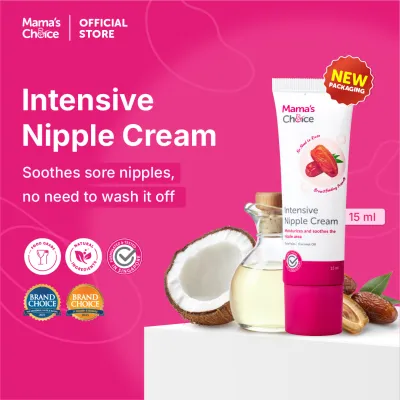
284 Lazada user ratings
item was send to the wrong house, I stay 7 floor, item was delivered to 3rd floor, quality of the product is good, after apply my nipple is …Read full reviewShow less
item was send to the wrong house, I stay 7 floor, item was delivered to 3rd floor, quality of the product is good, after apply my nipple is not painful. do note that the cream is ONLY 15G very small compared to other brand.
First time trying this after saw all the good reviews. Hope is good to use. Will buy again if got sales in the future. Fast delivery as well…Read full reviewShow less
First time trying this after saw all the good reviews. Hope is good to use. Will buy again if got sales in the future. Fast delivery as well.
Received in good condition and correct quantity. Very prompt delivery. Thanks to seller and efficient and courteous service by the courier.
Fast delivery within 3 days and well packed in a box. 2nd purchase as its quite good
Fast delivery,just arrived today hopefully it works andNon-greasy formula,

152 Lazada user ratings
Fast delivery! Parcel received in good condition. Have yet to use. Individually packed for hygiene
Convenient for on-the-go use, Leak-guard quilted lining,
Great value for money, Ultra-thin and discreet fit,
Reliable protection, Absorbent and breathable core,
Soft and comfortable on sensitive skin,

65 Lazada user ratings
Item received in good condition. Black is a useful colour, seems slightly better quality than the grey stripes version
Looks good, packaging also nice. Individually wrapped. Look forward to using it. Material a bit thick though.
Provides gentle support for sensitive breasts, Convenient for nursing, Ideal for both pregnancy and nursing,
Fit: good fit. Convenient for nursing, Versatile and easy to match, Ideal for both pregnancy and nursing,
Very good and quality product. Thank you seller. Recommended!

69 Lazada user ratings
Soft and stretchy fabric, follow the seller suggestion buy a bigger size. nive colour. my wife love it. fast delivery.
Comfort: very comfortable, soft fabric liked it so much. Fit: fitting is perfect
Prices are valid at publication and may change. Please refer to the product page for the latest price.
One of the most significant long-term breastfeeding benefits is the support it provides to a developing immune system. Breast milk delivers antibodies and enzymes directly from the mother to the baby, helping protect infants from common childhood illnesses like middle ear infections and respiratory tract infections during critical early months.
Beyond immediate protection, research suggests potential long-term metabolic and digestive health associations. Some observational studies indicate that children who were breastfed may have a lower risk of developing chronic conditions later in life, such as type 2 diabetes. The prebiotics in breast milk also help establish a healthy gut microbiome, which plays a foundational role in lifelong digestive health. This early bacterial colonization is thought to influence how the immune system matures over time.
Cognitive development trends also form a key part of the discussion surrounding breastfeeding benefits. While some studies observe slightly higher cognitive scores in breastfed children, individual outcomes vary widely and depend on multiple environmental factors, including maternal education and household stability.
While these potential advantages are compelling, they are not absolute guarantees. Every baby is unique, and many formula-fed infants grow up to be exceptionally healthy and resilient. It is always best to consult your pediatrician to establish personalized health expectations and monitor your baby’s specific growth milestones.
Long-Term Health Advantages for the Mother
While much of the discussion around breastfeeding focuses on the infant, the maternal health benefits are equally significant. Lactation is a biological process that triggers physical recovery and hormonal shifts immediately after birth, which can have a positive impact on your body both in the short term and over your lifetime.

In the immediate postpartum period, breastfeeding aids in uterine involution, helping the uterus return to its pre-pregnancy size. The act of nursing stimulates the release of oxytocin, a hormone that causes uterine contractions, which helps reduce postpartum bleeding and assists your body in recovering more efficiently.
From a long-term perspective, there is a broad medical consensus associating lactation with a reduced risk of several maternal health conditions. Studies indicate that mothers who breastfeed for a cumulative period over their lifetime may experience lower rates of cardiovascular disease, high blood pressure, and type 2 diabetes. Additionally, longer durations of breastfeeding are associated with a decreased risk of breast and ovarian cancers. These protective effects appear to increase with the cumulative lifetime duration of lactation.
The psychological aspects of breastfeeding are also profound, driven by hormonal shifts that promote maternal-infant bonding. The release of prolactin and oxytocin during feeding sessions can foster feelings of calmness and attachment. However, these hormonal shifts affect everyone differently, and breastfeeding can sometimes be accompanied by intense emotional vulnerability.
Ultimately, these maternal benefits must be balanced against your immediate physical and mental health needs. If breastfeeding causes severe sleep deprivation, physical pain, or psychological distress, the long-term health associations may be outweighed by the immediate need for maternal stability. A healthy, emotionally stable mother is the most important asset a baby can have.
Evaluating the Initial Challenges and Time Commitments
To make an informed decision, it is essential to look objectively at the physical and logistical hurdles that often arise during the early weeks of breastfeeding. Many mothers experience a steep learning curve, and understanding these challenges beforehand can help you prepare mentally.
Physical recovery after childbirth is already demanding, and adding the physical demands of breastfeeding can feel overwhelming. Many mother-baby dyads experience initial latch difficulties, which can lead to nipple soreness, cracking, and significant discomfort. Additionally, as your milk supply establishes, you may encounter breast engorgement, plugged milk ducts, or mastitis, a painful inflammatory condition that requires prompt attention.
The time investment required for breastfeeding is another critical factor to evaluate. Newborns feed frequently, often every two to three hours round-the-clock, with each session lasting anywhere from twenty to forty-five minutes. This constant cycle leaves very little room for uninterrupted maternal sleep, which can compound postpartum fatigue and impact your overall emotional resilience during the first few months. Over time, chronic exhaustion can make managing even minor daily tasks feel significantly more difficult.
Logistical considerations become particularly prominent for mothers who plan to return to work. Maintaining an exclusive breast milk diet often requires a strict pumping schedule throughout the workday to maintain supply and prevent discomfort. This demands access to a private, hygienic space, reliable pumping equipment, and proper storage facilities for expressed breast milk.
Setting realistic expectations is one of the most effective ways to prevent early discouragement. Breastfeeding is a learned skill for both you and your baby, and it rarely happens seamlessly without effort. Knowing that the first six weeks are typically the most challenging can help you pace yourself and seek appropriate support early on.
Assessing If Breastfeeding Is the Right Choice for Your Family
Determining whether breastfeeding is the right path requires a holistic self-assessment that goes beyond reading about health benefits. It involves looking honestly at your medical situation, your daily lifestyle, and the strength of your support system.
First, evaluate your medical and physical readiness in consultation with your healthcare provider. Certain maternal medical conditions, infections, or anatomical factors can make breastfeeding difficult or medically inadvisable. It is also essential to review any medications you are taking, as some active ingredients can pass through breast milk and may not be safe for a developing infant.
Next, consider your lifestyle and logistical fit. Think about your return-to-work timeline, the flexibility of your workplace, and your daily household responsibilities. If your schedule requires long periods of separation from your baby, assess whether you have the physical stamina and logistical support to manage regular pumping, bottle washing, and milk storage.
Your mental health and immediate support system are perhaps the most critical components of this decision. Consider how you typically handle severe sleep deprivation and high-stress situations. Evaluate the level of practical help you can expect from your partner, family members, or domestic helpers, as having someone to share household chores and infant care can make a substantial difference. A strong support network can buffer the physical demands of lactation and provide emotional reassurance.
It is vital to establish clear decision boundaries and recognize the signals that indicate a change in plan is necessary. If breastfeeding begins to severely compromise your mental health, leads to feelings of resentment, or causes extreme anxiety, these are clear signs that your current feeding method may not be sustainable. Prioritizing your well-being is a necessary step in ensuring a healthy environment for your baby.
Exploring Alternative and Mixed Feeding Options
If you find that exclusive breastfeeding does not align with your physical, mental, or logistical reality, you have excellent, safe alternatives. Feeding your baby does not have to be an all-or-nothing choice, and many families find success by customizing their approach.
Mixed feeding, which involves combining breast milk and infant formula, is a highly practical strategy. This approach allows your baby to receive the immunological benefits of breast milk while giving you the flexibility of formula feeding. It enables partners or caregivers to assist with night feeds, giving you longer stretches of uninterrupted sleep and reducing the pressure of maintaining an exclusive pumping schedule.
For families who choose exclusive formula feeding, modern infant formulas are scientifically developed to provide complete, high-quality nutrition. When using formula, safety and hygiene are paramount. Always follow the manufacturer’s guidelines precisely for sterilization, water temperature, and powder-to-water ratios, and consult your pediatrician to choose the most suitable formula type.
Ultimately, your emotional well-being and the quality of your connection with your baby are far more important than the specific method of feeding. A baby thrives best when they are adequately nourished by a caregiver who is mentally healthy, rested, and emotionally present. Shifting your focus from a specific feeding ideal to the overall health of your family unit can relieve immense pressure.
When communicating your feeding choices to family members or peers, a simple, confident statement that you have chosen the feeding method that works best for your family is usually sufficient. Surrounding yourself with supportive individuals who respect your boundaries will help you navigate this transition with confidence.
Frequently Asked Questions (FAQ)
Can I still provide long-term benefits if I only breastfeed for a few months?
Yes, any duration of breastfeeding can provide valuable health benefits for your baby. Even receiving breast milk for a few weeks delivers essential early antibodies and supports digestive development. Partial breastfeeding or transitioning to formula after a short period still offers meaningful advantages, and you should feel confident stopping whenever the practice no longer serves your family’s well-being.
How do I know if my baby is getting enough milk?
Since you cannot visually measure the milk transferred during direct breastfeeding, you can rely on several reliable, observable indicators at home. Track the number of wet and dirty diapers your baby produces daily, which typically increases to at least six wet diapers a day after the first week. Additionally, monitor your baby’s general alertness, satisfaction after feeds, and steady weight gain during regular check-ups with your pediatrician.
What medical conditions might prevent me from breastfeeding?
Certain maternal medical conditions, such as specific viral infections, active untreated tuberculosis, or the use of particular prescription medications, may make breastfeeding unsafe for your baby. Infant metabolic disorders, such as galactosemia, also require specialized formula feeding. It is essential to consult your obstetrician and pediatrician to receive a professional clinical evaluation regarding your specific health circumstances.
Community discussion
Share your experience or ask a question. Comments are reviewed before publication.