
When welcoming a newborn, every skincare decision feels monumental. Parents frequently ask whether Pigeon baby powder is safe for newborns, especially when navigating the wide array of baby toiletries available on online marketplaces and in local department stores. The short answer is that while modern talc-free formulations are generally designed with infant safety in mind, their safety ultimately depends on the specific ingredients, the baby’s individual skin sensitivity, and how carefully the product is applied.
Newborn skin is incredibly delicate, possessing a thinner protective barrier than adult skin, which makes it highly susceptible to irritation, dryness, and environmental triggers. In warm, humid climates, managing moisture in diaper areas and skin folds is a daily challenge for caregivers. While baby powder has traditionally been used to keep skin dry, modern pediatric guidelines emphasize extreme caution regarding how and when these products are introduced to an infant’s routine.
To make an informed decision, parents must look beyond the brand name and carefully evaluate the product’s ingredient list, age indications, and safety warnings. By understanding the science behind talc-free alternatives and mastering safe application techniques, you can minimize potential risks and keep your baby’s skin comfortable and healthy.
Products mentioned in this guide
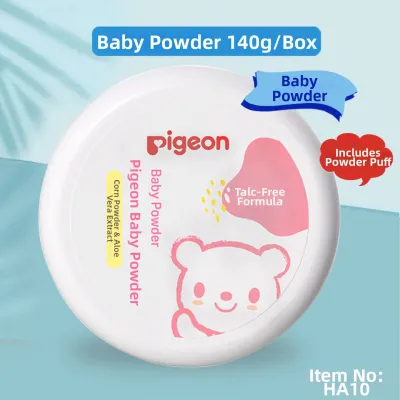
3 Lazada user ratings
I've been using this product since my baby was a month old. It's all-natural and gentle, and it really helps prevent redness.
This baby powder is perfect for newborns, gentle and non-irritating.
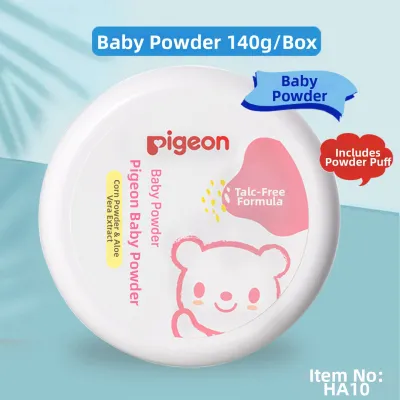
18 Lazada user ratings
The body powder is always great to use. It's smooth and gentle, and the included puff makes application easy. I love that it has no talc or …Read full reviewShow less
The body powder is always great to use. It's smooth and gentle, and the included puff makes application easy. I love that it has no talc or fragrance. Really effective!
I haven't tried it yet, but I've heard good things. I'm planning to use it in May and will share my thoughts then. Definitely looking to buy…Read full reviewShow less
I haven't tried it yet, but I've heard good things. I'm planning to use it in May and will share my thoughts then. Definitely looking to buy more!
Been using this for a week now! I use it on my baby after every bath, and it keeps them feeling fresh and comfy. It works really well!
I've always bought this body powder; it's gentle and doesn't irritate my baby’s skin, and he hasn't had any rashes from it.
This baby powder is really great, I've bought it many times, definitely worth it, giving it a five-star rating.
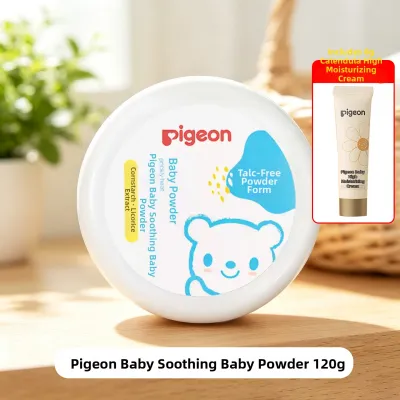
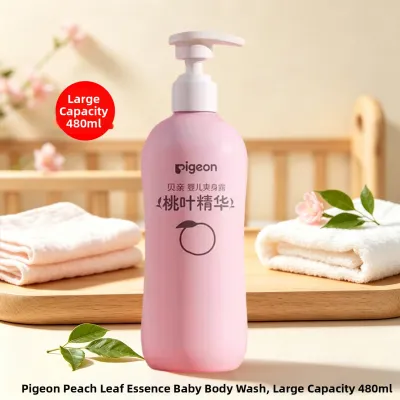
4 Lazada user ratings
This is my second time buying it, and it's really great to use! I've already recommended it to my friends.
This stuff works great for my baby's redness. This is my second bottle!
It's really great to use, and my baby feels very comfortable with it.
Haven't tried it yet, but a friend recommended it, so I'm hopeful!
Prices are valid at publication and may change. Please refer to the product page for the latest price.
Understanding Talc-Free Baby Powder Formulas
Historically, traditional baby powders relied on talc, a naturally occurring clay mineral valued for its ability to absorb moisture and reduce friction. However, concerns over talc purity and the risk of inhaling microscopic mineral particles have led many manufacturers to transition to talc-free alternatives. Understanding this distinction is the first step in choosing a safe product for your newborn.
When examining a container of Pigeon baby powder, the ingredient label is your most reliable guide. Modern talc-free formulas typically utilize plant-based starches, such as cornstarch (often listed as Zea mays starch) or tapioca starch, as their primary moisture-absorbing agents. These plant-derived ingredients have larger particle sizes than talc, making them less likely to remain suspended in the air, though they still require careful handling to prevent inhalation.
Beyond the primary starch base, parents should scrutinize the label for secondary ingredients that could affect sensitive newborn skin. Many formulations include added fragrances to provide a pleasant scent, but synthetic perfumes can trigger allergic reactions or contact dermatitis on a newborn’s highly permeable skin. Look for fragrance-free options or products that use minimal, hypoallergenic scents if your baby has sensitive skin.
Additionally, some formulations incorporate botanical extracts, such as chamomile, jojoba, or rosehip oil, to soothe the skin, alongside mild preservatives to prevent bacterial growth in humid bathroom environments. While these additives can offer moisturizing benefits, they also introduce potential allergens. Always verify the full ingredient list on the packaging of the specific product version you purchase, as formulations can vary significantly between different regions and product lines.
Evaluating Safety for Newborn Skin
Before introducing any new skincare product to a newborn, caregivers must establish a systematic evaluation process to ensure it matches the baby’s current developmental stage and skin condition. Manufacturers print specific age recommendations and suitability statements on their packaging, which should always serve as your primary reference point. Never assume a product is safe for a newborn simply because it is categorized under baby care.

A crucial step before full-body application is performing a standard patch test. To do this, apply a tiny amount of the baby powder to a small, clean, and discreet area of your baby’s skin, such as the inner elbow or the side of the thigh. Observe the area closely over a twenty-four hour period for any signs of localized irritation, such as redness, tiny bumps, or dryness. If the skin remains clear, the product is generally considered suitable for wider use on intact skin.
However, there are several common scenarios where baby powder should be avoided entirely. Never apply powder to broken, cracked, or weeping skin, as the fine particles can enter the skin barrier, cause severe irritation, and potentially lead to localized infections. Similarly, if your baby is experiencing a moderate to severe diaper rash characterized by raw, peeling, or bleeding skin, powder can clump with bodily fluids, trapping bacteria and worsening the inflammation.
Furthermore, infants with known respiratory vulnerabilities, such as a family history of asthma or reactive airway disease, require extra caution. Even talc-free powders consist of fine particulates that can irritate sensitive airways if suspended in the air. If your newborn has been diagnosed with any chronic skin conditions, such as atopic dermatitis, consult a qualified healthcare professional before introducing any powder-based products to their daily care routine.
Safe Application Practices to Minimize Risks
The primary safety concern associated with baby powder is not skin contact, but accidental inhalation. When fine powder particles are airborne, they can easily be inhaled into an infant’s developing lungs, leading to respiratory irritation, coughing, or more severe breathing difficulties. Therefore, mastering safe application practices is essential for any parent choosing to use these products.
To minimize the risk of airborne dust, never shake a baby powder container directly onto your baby’s body or near their face. Instead, step slightly away from the changing table or crib before dispensing the product. Shake a small, controlled amount of powder directly into your own palm, keeping the container low and away from any drafts or fans that could disperse the particles.
Once the powder is in your hand, gently rub your palms together to distribute the product and settle any loose dust. Carefully pat the powder onto the baby’s skin folds, focusing strictly on areas prone to moisture buildup, such as the outer diaper area or thighs. Avoid applying powder anywhere near the baby’s face, neck, or upper chest, where the proximity to their nose and mouth increases the likelihood of inhalation.
Storage and accessibility are equally important components of household safety. Always store the baby powder container on a high shelf, completely out of reach of children and curious toddlers who might accidentally open or squeeze the bottle. Ensure the lid is tightly closed and sealed immediately after every use; this not only prevents accidental spills but also protects the starch-based formula from absorbing ambient humidity, which can cause clumping and bacterial contamination.
When to Stop Using Baby Powder and Seek Help
Even when using a high-quality, talc-free product, parents must remain vigilant and monitor their baby’s skin and respiratory reactions during and after application. Newborn skin is dynamic, and sensitivities can develop over time even after several successful uses. Knowing when to discontinue the product is vital for preventing minor irritations from escalating into more serious health concerns.
Discontinue the use of baby powder immediately if you observe any localized skin reactions. These signs include new patches of redness, swelling, dry or peeling skin, or a fine rash in the areas where the powder was applied. Increased fussiness or discomfort during diaper changes can also indicate that the product is causing a burning or itching sensation that is not yet visible on the skin.
Respiratory warning signs require immediate, decisive action. If your baby begins to cough, sneeze repeatedly, wheeze, or exhibit rapid or labored breathing during or shortly after you apply the powder, stop using the product immediately. Move the baby to a well-ventilated area with fresh air, and seek medical evaluation from a healthcare professional to ensure their airways are clear and unaffected.
Rather than attempting to treat persistent skin irritation or respiratory symptoms with alternative over-the-counter products or home remedies, consult a pediatrician or a pediatric dermatologist. A qualified professional can provide an accurate diagnosis, identify the specific allergen or irritant, and recommend safe, targeted treatments to restore your baby’s skin health and comfort.
Alternatives to Baby Powder for Diaper Care
For parents who prefer to avoid the risks associated with airborne powders entirely, several highly effective diaper care alternatives can keep a newborn’s skin dry and protected. The primary defense against diaper rash is managing moisture and friction, which can be achieved through consistent hygiene practices rather than relying on powder-based products.
Using a high-quality barrier cream or ointment is one of the most common and effective alternatives. Products containing zinc oxide or petroleum jelly create a durable, physical shield on the skin’s surface, preventing urine and stool from making direct contact with the baby’s delicate skin. These creams do not pose an inhalation risk and are highly effective at reducing friction between the diaper and the skin.
In addition to topical barriers, optimizing your diapering routine is crucial. Perform frequent diaper changes, especially immediately after bowel movements, to minimize the time skin is exposed to moisture and enzymes. After cleaning the area, allow the baby’s skin to air-dry completely for a few minutes before putting on a fresh diaper; this simple step is highly effective at keeping the skin healthy without the need for drying agents.
When cleaning the diaper area, opt for water-based, fragrance-free baby wipes or a soft, damp cloth. Avoid wipes containing alcohol or strong synthetic fragrances, which can strip away the skin’s natural protective oils and leave it vulnerable to irritation. By combining gentle cleansing, thorough air-drying, and targeted barrier creams, you can maintain excellent skin health for your newborn safely and effectively.
Frequently Asked Questions (FAQ)
Can I use Pigeon baby powder on my newborn's face or neck folds?
It is highly recommended to avoid using baby powder on your newborn’s face or neck folds. The close proximity of these areas to the baby’s nose and mouth significantly increases the risk of accidental inhalation of the fine powder particles, which can irritate their developing respiratory system. Additionally, powder applied to deep neck folds can easily mix with sweat or drool, forming a thick, pasty residue that traps moisture and friction, leading to chafing and skin breakdown. For moisture management in these sensitive areas, consult the manufacturer’s specific packaging instructions or opt for a liquid-to-powder formula or a mild, non-greasy barrier cream.
Does talc-free powder completely prevent diaper rash?
No, talc-free baby powder does not completely prevent diaper rash. While starch-based powders are effective at absorbing minor surface moisture, diaper rash is a multi-faceted condition caused by prolonged exposure to wetness, friction, and the bacteria or yeast present in urine and stool. Relying solely on powder without addressing the underlying causes will not keep rashes at bay. To effectively prevent diaper irritation, parents must maintain a comprehensive care routine that includes frequent diaper changes, thorough cleansing, allowing the skin to air-dry completely, and applying a protective barrier cream when necessary.
Community discussion
Share your experience or ask a question. Comments are reviewed before publication.