
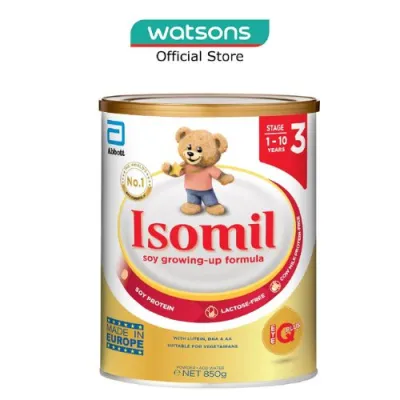
Choosing the right soy toddler milk for your growing child in Singapore requires a careful look at nutritional labels, taste preferences, and overall value. While cow’s milk formulas are the standard for many families, soy-based alternatives serve as an essential option for toddlers with specific dietary needs, such as lactose intolerance, galactosemia, or families following a plant-based lifestyle. Isomil Soy Stage 3 is a prominent option on local shelves, but understanding how it compares to other soy toddler milks helps ensure your child receives the right balance of nutrients during this critical developmental stage.
When comparing these products, parents must look beyond the brand name and examine the specific ingredient lists, protein sources, and fortification levels. Every toddler has unique nutritional requirements, and what works for one child may not suit another. This guide provides a structured approach to comparing Isomil Soy Stage 3 with other soy toddler milk options available in Singapore, helping you make an informed, budget-conscious decision that supports your child’s health.
Comparing Nutritional Profiles on the Label
To make an accurate comparison between Isomil Soy Stage 3 and other soy toddler milks, you must start by analyzing the nutritional information panel and the ingredient list on the back of the tin. The primary component to evaluate is protein quality and quantity. Toddlers require high-quality protein to support rapid muscle and tissue growth. Soy toddler milks typically utilize soy protein isolate, which is highly purified to remove most of the non-protein components. When comparing brands, check the exact grams of protein provided per serving or per 100ml of prepared feed to ensure it aligns with your pediatrician’s recommendations for your child’s age and weight.
Products mentioned in this guide
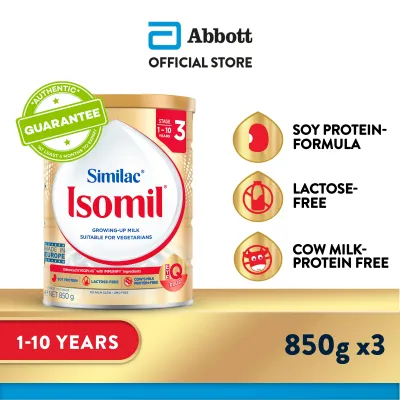
263 Lazada user ratings
Perfect for kids with special feeding needs, Soy goodness for growing kids, Trusted brand for your child's nutrition, Convenient and nutriti…Read full reviewShow less
Perfect for kids with special feeding needs, Soy goodness for growing kids, Trusted brand for your child's nutrition, Convenient and nutritious formula, Great alternative for lactose-intolerant kids,
Perfect for kids with special feeding needs, Convenient and nutritious formula, Healthy choice for vegetarian families, Soy goodness for gro…Read full reviewShow less
Perfect for kids with special feeding needs, Convenient and nutritious formula, Healthy choice for vegetarian families, Soy goodness for growing kids,
Convenient and nutritious formula, Healthy choice for vegetarian families, Trusted brand for your child's nutrition,
Trusted brand for your child's nutrition, Healthy choice for vegetarian families, Soy goodness for growing kids,
Trusted brand for your child's nutrition, Great alternative for lactose-intolerant kids, good for kids
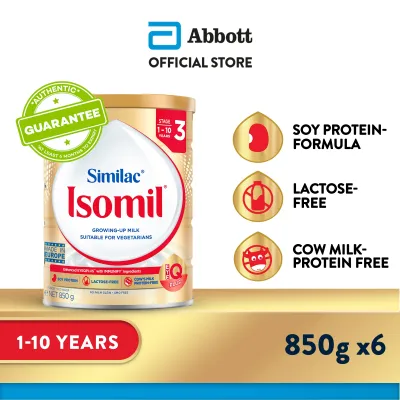
154 Lazada user ratings
Healthy choice for vegetarians, Promotes healthy growth and development, Suitable for lactose-intolerant kids, Easy to prepare and mix, Trus…Read full reviewShow less
Healthy choice for vegetarians, Promotes healthy growth and development, Suitable for lactose-intolerant kids, Easy to prepare and mix, Trusted brand for children's nutrition, Nutritious formula for growing kids
was genuinely surprised and very pleased that these came with no dents at all on all the tins. they didn't even have bubble wrap and conditi…Read full reviewShow less
was genuinely surprised and very pleased that these came with no dents at all on all the tins. they didn't even have bubble wrap and condition is perfect. bonus that expiry is long in 2028
💰Price:good price. better than retail! 😋Taste:baby likes it. no complain. 📄Nutritional Value:Healthy choice for vegetarians, Trusted brand f…Read full reviewShow less
💰Price:good price. better than retail! 😋Taste:baby likes it. no complain. 📄Nutritional Value:Healthy choice for vegetarians, Trusted brand for children's nutrition.
Did not pack well. Some are damaged. Requested to replace the damaged one. Do not have any cushion materials for these heavy milk power.
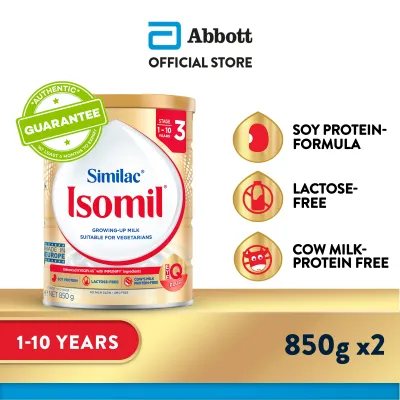
273 Lazada user ratings
Item received in good conditions. This time round the delivery took abit long but its fine.
was waiting for the restock. good price and came faster than expected . good!
Milk mIlk is my baby favourite. Day in day out keep calling for milk milk.
Cheaper than retail price, will buy more of this for my next purchase
Item received in good conditions. Delivery was fast as well.
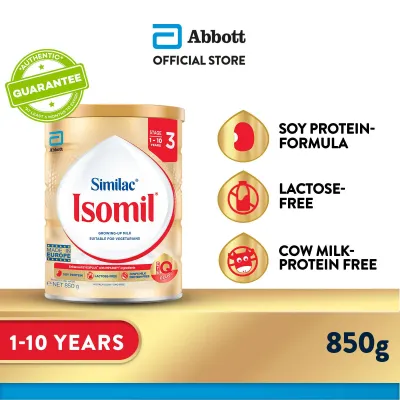
363 Lazada user ratings
Redmart is cheaper than any supermarket! Definitely come back again
my vat lkkes to drinkt bis milk so i buy more let them drink good.
Jdudydydfjfnjdjdjdjdn dhdjdjbdgd ndjdjdj jdjdjdjd jsjshshshd jdjd
very good price and i would be buying everyday ifni money have.
must buy at promotion, otherwise its getting more expensive.
53 Lazada user ratings
this storr sells very cheap compared to othres so i will keep huying.
Extrne ell packeda delivers fast even touh I select free delivery.
have bought this for many a times and its always good and fast.
Prices are valid at publication and may change. Please refer to the product page for the latest price.
Carbohydrate sources are another critical differentiator on the label. Unlike standard cow’s milk formulas that naturally contain lactose, soy formulas are inherently lactose-free. Manufacturers replace lactose with other carbohydrate sources to provide energy. Look closely at the ingredient list to identify these sources, which may include corn syrup solids, maltodextrin, sucrose, or glucose polymers. Some parents prefer complex carbohydrates over simple sugars to avoid rapid spikes in blood sugar and to support sustained energy levels. Checking the label allows you to identify whether a formula contains added sucrose or if it relies on other carbohydrate blends.
Essential fortifications are vital for a toddler on a plant-based diet, as certain nutrients are less abundant or less easily absorbed from plant sources. Pay close attention to the levels of calcium and vitamin D, which work synergistically to support strong bone and teeth development. Iron is another crucial nutrient to check, as toddlers are at risk of iron-deficiency anemia during rapid growth phases. Additionally, look for the presence of docosahexaenoic acid (DHA) and arachidonic acid (ARA), which are omega-3 and omega-6 fatty acids that support brain and eye development.
Because manufacturers frequently update their formulations, ingredients, and nutritional values, it is essential to physically check the latest product labels in Singapore stores. Online product descriptions or older reviews may not reflect the current formulation available on the shelf. Always verify the specific nutrient quantities on the physical tin before purchasing a new batch.
Taste, Solubility, and Toddler Acceptance
The sensory experience of soy toddler milk can vary significantly from standard cow’s milk formulas. Soy protein isolate has a distinct, slightly earthy or beany flavor profile that some toddlers may notice immediately. To improve palatability, some manufacturers adjust the carbohydrate blend or add subtle flavorings. When evaluating Isomil Soy Stage 3 or other alternatives, consider how the ingredient profile might influence the taste. A formula with a higher proportion of corn syrup solids or maltodextrin may taste slightly sweeter, which can sometimes ease the transition for a child accustomed to sweeter drinks, though parents should balance this against their dietary preferences.

Solubility and mixing properties also play a role in toddler acceptance. A formula that clumps or leaves a gritty residue at the bottom of the cup can be unappealing to a sensitive toddler and may lead to them rejecting the drink. To ensure optimal solubility, always prepare the milk strictly according to the manufacturer’s package instructions. This typically involves using lukewarm water that has been previously boiled, adding the powder precisely using the provided scoop, and shaking or stirring vigorously. Using water that is too hot can cause the proteins to clump and may degrade heat-sensitive vitamins, while water that is too cold may prevent the powder from dissolving completely.
If your toddler initially rejects the taste, aroma, or texture of a new soy toddler milk, a gradual transition strategy can help. Rather than switching abruptly, try mixing a small portion of the new soy formula with their current familiar milk. For example, you might start with a ratio of 25% new soy milk and 75% old milk for a few days, then gradually adjust the ratio to 50:50, and eventually 75:25, until the transition is complete. This slow adjustment allows your toddler’s palate to adapt to the new flavor profile and minimizes the risk of sudden refusal.
Calculating Price and Value per Serving
Managing the household budget is a key consideration for families in Singapore, and the cost of toddler formula can add up quickly. To determine the true financial value of Isomil Soy Stage 3 compared to other soy toddler milks, you should look beyond the retail price of the tin and calculate the cost per serving or cost per 100g.
To calculate the cost per 100g, use the following formula: Cost per 100g = (Retail Price in S$ / Tin Weight in grams) * 100
This calculation provides a standardized metric to compare different tin sizes, as soy formulas in Singapore are often packaged in varying weights, such as 800g, 850g, or 900g.
To calculate the cost per serving, you need to know the weight of a single scoop (usually listed in the preparation instructions) and the number of scoops required per feed. Use this formula: Cost per Serving = (Grams per Scoop Number of Scoops per Feed Retail Price in S$) / Total Tin Weight in grams
This calculation helps you understand the actual daily or weekly cost of feeding your toddler, as scoop sizes and water-to-powder ratios vary between brands.
Retail prices in Singapore can fluctuate based on where and how you shop. Supermarkets, specialized baby stores, and online marketplaces often offer different pricing structures. To optimize your savings, look for pharmacy loyalty programs, supermarket discounts, or bulk-purchase bundles on reputable ecommerce platforms. Additionally, always verify the current shelf prices, stock availability, and expiry dates before committing to bulk purchases. Buying in bulk can offer significant savings, but only if your toddler accepts the formula and you can use the product before its expiry date.
Decision Framework: Choosing the Right Soy Toddler Milk
Selecting the ideal soy toddler milk involves balancing your child’s nutritional needs, taste preferences, and your family’s budget. Use the following conditional framework to guide your decision:
Choose Isomil Soy Stage 3 if the current nutritional label aligns with your specific dietary targets (such as protein, calcium, and DHA levels), the price fits comfortably within your household budget, and your toddler readily accepts the taste and texture without digestive issues.
Choose an alternative soy toddler milk if you are seeking a different carbohydrate profile (such as a formula completely free of specific added sugars), a different fortification blend, or a more cost-effective option per serving that meets your financial goals.
Neither option may be suitable if your child has a confirmed soy protein allergy, requires a specialized hypoallergenic formula (such as an extensively hydrolyzed or amino acid-based formula), or experiences adverse digestive reactions like persistent vomiting, severe gas, or diarrhea after consumption. It is important to note that many children who are allergic to cow’s milk protein may also react to soy protein, making soy formulas unsuitable in those cases.
Before making any changes to your child’s diet, always verify the suitability of a soy-based formula with a pediatrician or registered dietitian. They can assess your toddler’s specific dietary requirements, monitor their growth metrics, and ensure that a soy-based diet is safe and nutritionally complete for their individual development.
Frequently Asked Questions (FAQ)
Is soy toddler milk suitable for every child?
Soy toddler milk is not a universal drink and is typically recommended for toddlers with specific medical or dietary needs, such as lactose intolerance, galactosemia, or families adhering to a strict vegetarian or vegan lifestyle. It is not suitable for infants under 12 months of age, and it should not be used as a primary beverage without consulting a healthcare professional. Always seek guidance from a pediatrician to ensure that soy milk is appropriate for your child’s specific health profile.
Can I mix Isomil Soy Stage 3 with another formula brand?
It is highly recommended not to mix different formula brands or stages within the same bottle. Each formula has a unique scoop size, preparation ratio, osmolality, and nutrient density designed specifically for its formulation. Mixing them can alter the concentration of nutrients and water, potentially leading to digestive discomfort, dehydration, or nutrient imbalances. If you need to transition your child, prepare separate feeds of each formula or consult the manufacturer’s guidelines for safe transition practices.
When should a toddler transition from Stage 3 formula to regular soy milk?
Toddlers typically transition from Stage 3 toddler formulas to regular, fortified plant-based milks or cow’s milk around 1 to 2 years of age, provided they are eating a balanced diet of solid foods. Regular soy milk used for this transition should be unsweetened and fortified with calcium and vitamin D. Because every child’s growth and dietary intake vary, you should consult a pediatrician or registered dietitian to ensure your toddler is receiving adequate nutrients from solid foods before replacing toddler formula with standard soy milk.

Community discussion
Share your experience or ask a question. Comments are reviewed before publication.