
Selecting the right growing up milk for your toddler involves understanding how specific nutrients support their rapid development. During the transition from infancy to toddlerhood, children experience significant physical and cognitive milestones. While solid foods should gradually become their primary source of nutrition, fortified toddler milk can play a supportive role. To make an informed choice, parents should look for key growing milk nutrients such as iron, calcium, vitamin D, zinc, and essential fatty acids like DHA. These components help bridge nutritional gaps, especially during selective eating phases.
Understanding the Role of Growing Up Milk in a Toddler's Diet
As infants cross the one-year mark, their dietary patterns undergo a major shift. They transition from a diet dominated by breastmilk or infant formula to one centered on family meals. This developmental stage is exciting but often accompanied by picky eating behaviors, food refusal, or erratic appetites. Toddlers have small stomachs but high nutritional requirements, making it easy for gaps to form in their daily intake of essential vitamins and minerals.
Growing up milk, typically formulated for children aged one to three years, is designed to act as a nutritional safety net. It is not intended to replace solid meals or serve as a primary source of calories. Instead, it supplements a toddler’s diet, ensuring they receive consistent levels of micronutrients that might be missing from their daily food intake. This fortification is particularly useful during phases when a child rejects key food groups like green leafy vegetables or meat.
Products mentioned in this guide
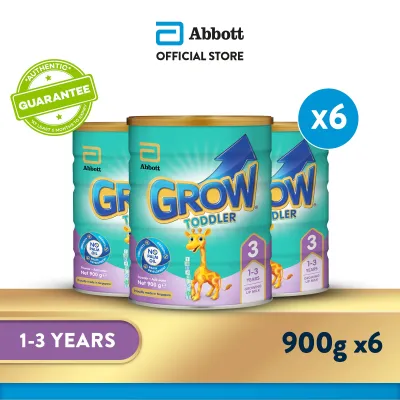
348 Lazada user ratings
Complete nutrition for toddlers, High-quality milk for growing up, No palm oil, easier digestion, 💰Price: good 😋Taste: good 📄Nutritional Val…Read full reviewShow less
Complete nutrition for toddlers, High-quality milk for growing up, No palm oil, easier digestion, 💰Price: good 😋Taste: good 📄Nutritional Value: good Fast delivery, good packing
Healthy choice for kids. Essential nutrients for growth. Promotes brain development. Great milk for toddlers!
Easy transition from stage 2, Trusted brand for toddler milk, Essential DHA for brain and eye development,
Received in great condition. Grow promotes brain development. Complete nutrition for toddlers.
Great milk for toddlers! Tastes great, kids love it. Expiry date is in year 2027.
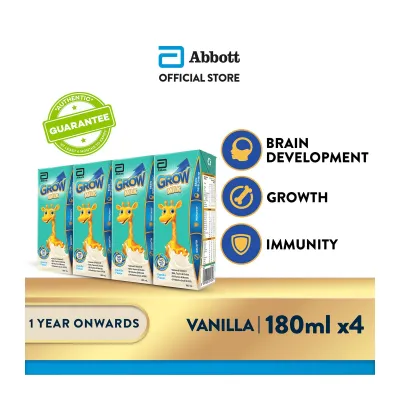
690 Lazada user ratings
Received per order. Nice milk supplement for my kid. Will buy again if the are discount
Received per order. Well packaged for delivery. Will order again from red mart.
delivery is on time as planned. Items are in good order. Recommended
always pack 1 packet in my sons snackbox. and he always finishes it
Repeat orders. My children loves and drink a lot of this milk.

520 Lazada user ratings
Great taste for kids!, Contributes to learning and development!, Convenient and ready-to-drink!, Rich in essential nutrients!,
Redmart delivery was punctual. Bought for child to try as it was on promotion. My kid likes it. Will consider buying again!
Perfect for growing kids!, Provides energy for daily activities!,
Fast delivery highly recommended. Bought many times already…
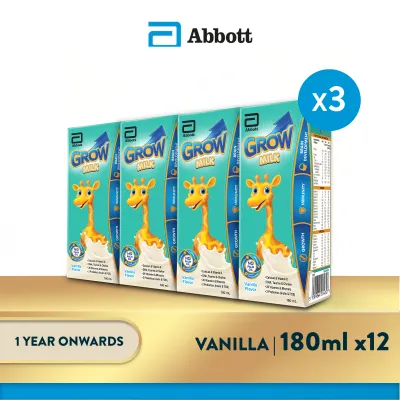
275 Lazada user ratings
Products well received packed in carton with good condition. Delivery took a days to arrived my residence. Thank you Seller!
My son like the taste of this milk. Got Free shipping and yet can received on next day. Milk Expiring: 06/08/2021
Worthy to buy as it is cheaper than supermarkets.. fast delivery also..

202 Lazada user ratings
Supports calcium absorption for strong bones, Great taste for kids, Rich in DHA for brain development, 😋Taste:my child loves it
Perfect for kids aged 3-12 years, Trusted brand for children's nutrition, Supports calcium absorption for strong bones,
Super prompt delivery. Bought on Abbott's day with special discounts. Expiry date is 28th October 2022.
Convenient and ready-to-drink, Boosts immune system with zinc and iodine, High-quality ingredients,
thanks seller thanks shiper. Good buy. Good product thanks so much.

480 Lazada user ratings
1st time buying this on lazada. a little more ex than supermarket but no need to carry so much back home. hopefully can have more discount i…Read full reviewShow less
1st time buying this on lazada. a little more ex than supermarket but no need to carry so much back home. hopefully can have more discount if buy more and make it cheaper than supermarket.
slightly lower price due to voucher. but is this consider short expiry stuff? seriously not sure.
Fast delivery within 3 days. Well packed in carton box. Expiry date within 6 months.
Received in good condition. Delivery in less than 5 days. Expiry date is July 2023.
need to rush abit to finish it. normally gave to kids when they have craving only.
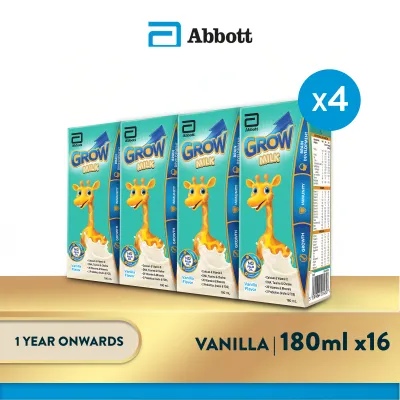
923 Lazada user ratings
Convenient and ready-to-drink, Suitable for children aged 3-12 years, first time buying to try. Total got 4 packs but 2 packs got some dents…Read full reviewShow less
Convenient and ready-to-drink, Suitable for children aged 3-12 years, first time buying to try. Total got 4 packs but 2 packs got some dents so not all received in good condition.
Formulated for toddlers and school-going kids, it’s all-rounded nutrition that supports brain development, immunity and growth. Granddaughte…Read full reviewShow less
Formulated for toddlers and school-going kids, it’s all-rounded nutrition that supports brain development, immunity and growth. Granddaughter loves this milk.
My toddler tried it for the first time and she loves it so much!! She keeps saying more! Boosts immune system, Easy to digest,
received. will order again when got promo. always order this milk for my girl bring to school for lunchbox.
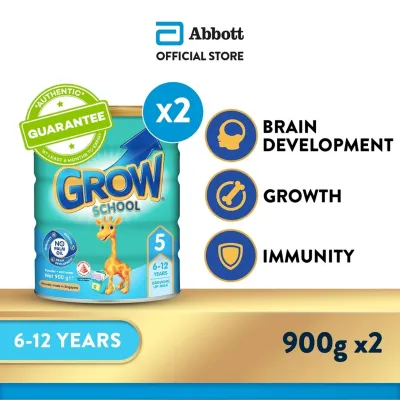
109 Lazada user ratings
No palm oil, easy digestion, Trusted brand for kids' milk, Promotes brain development with DHA,
Very fast delivery Next day delivered good product for babies n growing children No allergies
Great milk for growing kids, Healthy and delicious, Complete nutrition for 6-12 years old,
nutritious beverage for growing child. kids like it.
Prices are valid at publication and may change. Please refer to the product page for the latest price.
When integrating growing up milk into your child’s routine, it is important to align your choice with their overall eating habits. A toddler who consumes a wide variety of whole foods may have different nutritional needs than one who is highly selective. Observing your child’s daily food intake and consulting general pediatric guidelines will help you determine how toddler milk fits into their broader nutritional plan.
Key Growing Milk Nutrients and Their Roles in Toddler Development
To evaluate toddler milk effectively, parents must understand the specific functions of the nutrients listed on the packaging. Cognitive development is a primary focus during the toddler years, as the brain continues to grow rapidly. Essential fatty acids, particularly Docosahexaenoic Acid (DHA) and Arachidonic Acid (ARA), are critical structural components of the brain and retina. When reviewing labels, check the ingredient list to see if these fatty acids are included, as they support visual and cognitive pathways during this high-growth phase.

Physical growth requires a strong skeletal foundation, making bone and teeth health a top priority. Calcium is the primary mineral responsible for building bone density, while vitamin D is essential for the body to absorb calcium effectively. In urban environments like Singapore, where toddlers may spend significant time indoors, natural vitamin D synthesis from sunlight can be limited. Fortified toddler milk helps ensure they receive adequate amounts of both nutrients to support skeletal development.
A toddler’s immune system is constantly challenged as they explore their environment and interact with other children. Micronutrients such as iron, zinc, and vitamins A, C, and E are vital for maintaining robust immune defenses. Iron is especially critical during the transition to solid foods, as toddlers are at a higher risk of developing iron-deficiency anemia if their diet lacks iron-rich foods. Additionally, many formulations include prebiotics (such as galacto-oligosaccharides or fructo-oligosaccharides) and probiotics to support gut health, which plays a major role in overall immune function.
It is helpful to distinguish between the naturally occurring nutrients in milk and those added through fortification. Regular cow’s milk naturally provides high-quality protein and calcium, but it lacks sufficient levels of iron, vitamin D, and essential fatty acids. Growing up milk is specifically fortified to address these common dietary gaps. When comparing products, look closely at the nutritional information panel to verify which nutrients have been added and in what quantities.
A Practical Guide to Reading and Comparing Toddler Milk Labels
Navigating the rows of toddler milk tins in the supermarket can be overwhelming, but a systematic approach to reading labels simplifies the process. Start by locating the Nutritional Information Panel (NIP) on the back or side of the packaging. This panel lists the quantities of vitamins, minerals, and macronutrients per serving and per 100ml. Compare these values against the recommended daily intake for toddlers to understand how much a single serving contributes to your child’s daily nutritional needs.
One of the most critical steps in label reading is identifying hidden sugars and artificial additives. Toddlers have a natural preference for sweet tastes, and some manufacturers add sucrose, corn syrup solids, maltodextrin, or fructose to improve palatability. Regular consumption of milk with high levels of added sugars can contribute to early childhood tooth decay and establish a preference for sweet foods, making it harder to introduce savory, nutrient-dense solids. Look for formulations with no added sucrose or artificial flavorings to support healthy eating habits and dental hygiene.
Always verify that the formulation is appropriate for your child’s specific age group. Toddler milks are categorized into stages, with Stage 3 typically designed for children aged 12 to 36 months, and Stage 4 for those aged three years and older. If your child has specific dietary requirements or sensitivities, check for clear allergen declarations, such as “soy-based,” “gluten-free,” or “lactose-free.” These claims should be backed by clear ingredient listings rather than vague marketing statements.
It is essential to look past front-of-pack marketing buzzwords and focus on standardized, regulated nutritional facts. Phrases like “advanced brain formula” or “immunity booster” are designed to attract attention, but they do not provide precise nutritional details. Flip the tin over to inspect the actual ingredient list and the NIP. This ensures you are making a decision based on objective nutritional data rather than promotional claims.
When to Seek Professional Advice for Your Toddler's Nutrition
While reading labels helps you make informed choices, there are times when parental evaluation should be guided by professional medical advice. If your toddler exhibits signs of poor growth, persistent lethargy, frequent digestive issues, or skin rashes, they may be experiencing nutritional deficiencies or food intolerances. A healthcare professional can perform a comprehensive assessment to identify specific dietary gaps that cannot be resolved by standard growing up milk alone.
Standard toddler milks are formulated using cow’s milk protein, which is highly unsuitable for children with specific medical conditions. If your child has a diagnosed cow’s milk protein allergy (CMPA) or lactose intolerance, consuming standard growing up milk can trigger adverse reactions, ranging from severe abdominal pain and diarrhea to hives or respiratory issues. These conditions require specialized, hypoallergenic, or therapeutic formulas that must be managed under medical supervision.
Before making any major changes to your child’s diet or switching to specialized formulas, consult a pediatrician or a registered dietitian. They can help you interpret nutritional labels in the context of your child’s unique health profile. A professional can guide you on whether your child truly needs a fortified milk product or if their nutritional requirements can be fully met through tailored solid food adjustments.
Frequently Asked Questions (FAQ)
Do Toddlers Need Growing Up Milk If They Eat Solid Foods?
Growing up milk is not a mandatory requirement for every toddler. If your child consumes a diverse, well-balanced diet that regularly includes iron-rich foods, healthy fats, dairy products, and a variety of fruits and vegetables, they may obtain all necessary nutrients from solid foods and plain whole milk. However, for toddlers who are highly selective eaters or going through growth spurts, fortified milk can serve as a practical supplement to prevent nutrient gaps. It is best to discuss your child’s specific dietary habits with a pediatrician to determine if fortification is necessary.
How Much Growing Up Milk Should a Toddler Drink Daily?
Most pediatric guidelines suggest that toddlers aged one to three years consume approximately 350ml to 500ml of milk per day, which generally translates to about two small cups. Drinking excessive amounts of milk can fill up a toddler’s small stomach, reducing their appetite for solid foods and potentially leading to nutritional imbalances, such as iron deficiency. Parents should refer to the recommended serving sizes on the product label and adjust daily portions based on how well their child is eating solid foods and staying hydrated throughout the day.

Community discussion
Share your experience or ask a question. Comments are reviewed before publication.