
Choosing the right infant formula for your newborn is one of the most significant early decisions you will make as a parent. When comparing NAN Stage 1 to other leading newborn formulas in Singapore, there is no single “best” option that applies universally. Instead, the ideal choice depends entirely on your baby’s individual digestive tolerance, nutritional requirements, and how their developing system responds to specific milk proteins and prebiotic blends. While NAN Stage 1 is highly regarded for its focus on protein quality and digestive comfort, other premium brands on the market offer distinct formulations tailored to different infant needs, such as organic ingredients, specialized comfort blends, or alternative prebiotic structures.
To make an informed decision, you must look beyond brand popularity and focus on how a formula’s specific ingredients align with your baby’s daily comfort. Every infant’s digestive tract is unique, meaning a formula that works perfectly for one baby might cause mild gas or fussiness in another. By understanding the key differences in protein processing, carbohydrate sources, and supportive nutrients, you can confidently navigate the options available in Singapore to find the formula that best supports your newborn’s growth.
Key Decision Factors for Stage 1 Formula Comparison
When evaluating any Stage 1 formula, the protein structure is one of the most critical factors to consider. Standard cow’s milk contains a mix of whey and casein proteins, with whey being generally easier for a newborn’s immature digestive system to break down. Many premium Stage 1 formulas adjust this ratio to closely mimic the whey-dominant profile of early breast milk, often aiming for a 60:40 whey-to-casein ratio. Additionally, some formulas undergo partial hydrolysis, a process that breaks the proteins down into smaller, more manageable pieces to reduce the digestive workload on your baby’s stomach.
Products mentioned in this guide
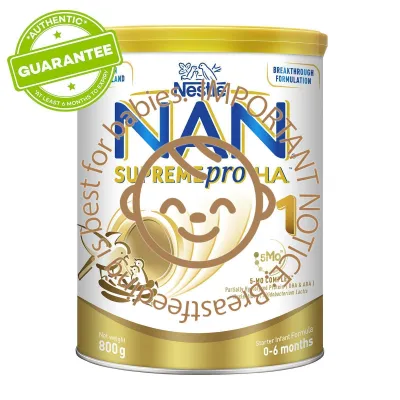
249 Lazada user ratings
Repurchase here multiple times as delivery is next day and free. Came in good condition and nicely packed as well.
Fast and convenient place to get formula milk. Always come nicely packed. Expiry long enough 2025
Convenient to get and delivery is free and fast. Always come nicely packed. Expiry 2025.
received in a good packaging. easy delivery and not easy to find in supermarket
Received item in a timely manner, but packaging damaged.
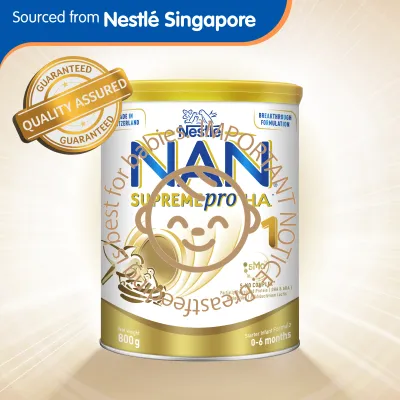
226 Lazada user ratings
Gentle on baby's stomach, Convenient and easy to prepare,
Long shelf life, Great formula for sensitive tummies,
Very fast delivery. Easy to dissolve in water.
Received nicely packed.. happy with purchase
Provides essential nutrients for growth,
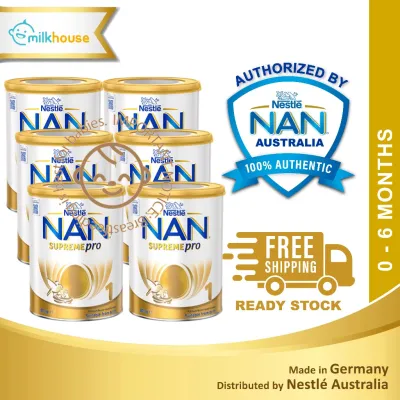
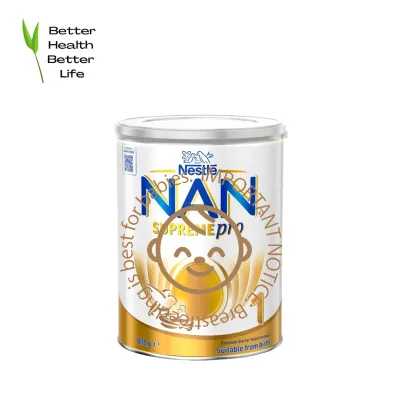
6 Lazada user ratings
Supports brain development. Premium infant nutrition. Fast delivery n received in good condition. will purchase again if got promotion.
Buy for upcoming newborn baby. The packaging is good no dent. Expiry date mar 2027
Value for money and taste the same. Will buy again if needed..
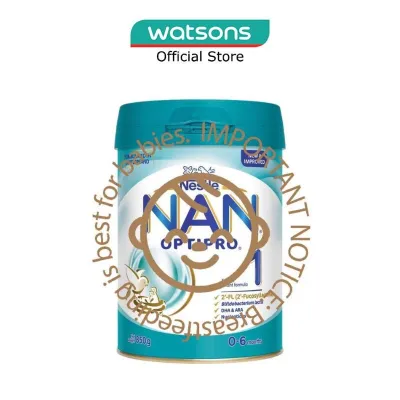
87 Lazada user ratings
Bifidus probiotics for a healthy gut, Optimized blend for optimal growth, Convenient packaging for on-the-go parents, Recommended by pediatr…Read full reviewShow less
Bifidus probiotics for a healthy gut, Optimized blend for optimal growth, Convenient packaging for on-the-go parents, Recommended by pediatricians, High-quality ingredients for peace of mind
well received after 2 days. considered quick delivery. expiry in end 2024. like this new packaging.
Fast delivery and well packed to protect the tin. Good alternative to supermarket.
Easy to prepare and mix,

186 Lazada user ratings
Great value for money, Convenient packaging, this is first time to try for my 8months baby 👶 mild smell and less sweetness is perfect but my…Read full reviewShow less
Great value for money, Convenient packaging, this is first time to try for my 8months baby 👶 mild smell and less sweetness is perfect but my baby haven’t liked it I will try to few more days to go for her to feed hope will works fast delivery 🚚 seller response also good 🙏🏼
Value for Money:buying three for the price of two. Good buy! However, take note that it’s packaging js different as it doesn’t say, “made in…Read full reviewShow less
Value for Money:buying three for the price of two. Good buy! However, take note that it’s packaging js different as it doesn’t say, “made in Switzerland”.
The 1st time I purchased it from this seller, it was cheaper than the retail store, I will buy it again if I get a promotion. 😃
Received quickly and in good condition. Multiple purchases with them already with long product expiry date. Trusted store.
📄Nutritional Value: good Good and long expiry thanks seller
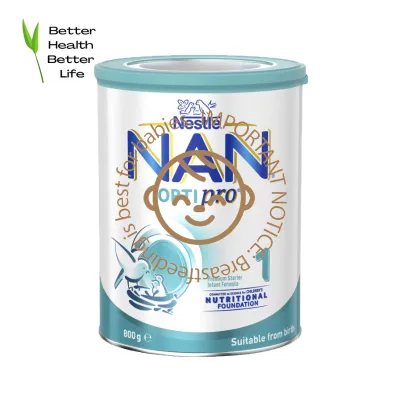
201 Lazada user ratings
Bought 2 tins, there is slight dent but doesn’t matter. Expiry date on Dec2025 & Feb 2026! Good expiry date! I bought t ostandby for my baby…Read full reviewShow less
Bought 2 tins, there is slight dent but doesn’t matter. Expiry date on Dec2025 & Feb 2026! Good expiry date! I bought t ostandby for my baby arriving in Nov. love tt laz allow usage of vouchers on stage1! Happy purchase~
Price:competitively priced when compared w retail & online stores + comes in resealable air tight container & scoop + PD recommended as it c…Read full reviewShow less
Price:competitively priced when compared w retail & online stores + comes in resealable air tight container & scoop + PD recommended as it causes less constipation
Price is great and baby accepts the formula. Expiry date is Dec 2026...so will last at least 10 more months.
Great formula for infants, Promotes healthy growth, gentle on stomach. Recommended for infants
Fast delivery. Recommended if you need it urgently
Prices are valid at publication and may change. Please refer to the product page for the latest price.
Beyond the basic protein structure, manufacturers enrich Stage 1 formulas with essential fatty acids and prebiotic fibers to support early brain development and gut health. Docosahexaenoic acid (DHA) and arachidonic acid (ARA) are standard additions in modern formulas, as they are crucial building blocks for a newborn’s rapidly developing brain and eyes. Prebiotics, such as galacto-oligosaccharides (GOS) and fructo-oligosaccharides (FOS), are also commonly included to feed the beneficial bacteria in your baby’s gut, promoting softer stools and a more balanced digestive environment.
Aligning these formula features with your baby’s observable daily behavior is key to making the right choice. If your newborn is generally settled, sleeps well between feeds, and passes soft stools regularly, a standard cow’s milk-based Stage 1 formula is typically highly suitable. However, if your baby experiences frequent spit-up, excessive gas, or prolonged periods of fussiness after feeding, they may benefit from a formula with partially hydrolyzed proteins or a specialized comfort design. Observing these daily patterns allows you to identify whether your baby requires a standard nutritional baseline or a more targeted digestive support system.
How NAN Stage 1 Stacks Up Against Leading Alternatives
NAN Stage 1, produced by Nestlé, is widely recognized in Singapore for its emphasis on protein quality and gut health. The brand’s primary formulation focus centers on its proprietary protein processing technology, which aims to deliver high-quality proteins that are gentle on a newborn’s delicate stomach. Many variations within the NAN Stage 1 range, such as NAN Optipro or NAN SupremePro, are designed to support the infant immune system and promote a healthy gut microbiome through the inclusion of specific prebiotic oligosaccharides and active probiotic cultures.

In the Singapore market, you will encounter several distinct formulation types when comparing NAN to its competitors. Standard cow’s milk-based formulas serve as the baseline for most brands, providing complete nutrition for healthy, full-term infants. Partially hydrolyzed formulas, where the milk proteins are pre-broken down, are positioned as “gentle” or “H.A.” (hypoallergenic) options for babies prone to mild digestive discomfort or those with a family history of allergies. Specialized comfort formulas are also available, featuring adjusted lactose levels or added thickeners to address specific issues like colic, constipation, or severe reflux.
To guide your choice, consider this conditional decision framework based on your baby’s needs. Choose NAN Stage 1 if your baby thrives on a formula that emphasizes optimized protein structures, active probiotics, and specific prebiotic blends designed to support gut comfort. Choose an alternative brand if your baby requires a certified organic formulation, a formula completely free of soy lecithin, or a specific prebiotic blend like pure GOS/FOS without added probiotics. Always verify first with your pediatrician if your baby has a diagnosed medical condition, such as a cow’s milk protein allergy or lactose intolerance, as these conditions require highly specialized therapeutic formulas rather than standard over-the-counter Stage 1 options.
Because formula recipes can vary by region and are updated periodically, it is essential to cross-reference these general brand descriptions with the actual ingredient panel on the specific tin you plan to purchase. Do not rely solely on historical brand reputation or online parenting forums, as manufacturers frequently update their formulations to include new prebiotic strains or adjust protein ratios. Reading the physical label ensures you know exactly what you are introducing to your baby’s developing system.
Evaluating Nutritional Profiles and Ingredient Labels
Reading a formula tin’s ingredient list can feel overwhelming, but focusing on a few key components will help you make a clear comparison. Start by checking how the proteins are treated on the label. If you are looking for a formula that is easier on the stomach, look for terms like “partially hydrolyzed whey protein” or “enzymatically hydrolyzed” near the top of the ingredient list. This indicates that the proteins have been broken down into smaller peptides, which can help reduce the likelihood of mild digestive distress compared to intact cow’s milk proteins.
Next, examine the prebiotic and probiotic profile of the formula. Look for specific prebiotic fibers such as Human Milk Oligosaccharides (HMOs, often labeled as 2′-fucosyllactose or 2′-FL), GOS, or FOS, which help cultivate a healthy gut flora. If the formula contains probiotics, you will see active bacterial cultures listed, such as Bifidobacterium lactis or Lactobacillus reuteri. Ensure you verify the specific strains included, as different probiotics serve different roles in supporting gut motility and immune health.
The carbohydrate profile is another crucial element to verify on the ingredient label. For a standard newborn without specific metabolic conditions, lactose should ideally be the primary source of carbohydrates, as it is the natural sugar found in breast milk. Carefully check the label to ensure there are no unnecessary added sugars, such as sucrose, corn syrup solids, or maltodextrin, unless these are medically necessary for a specialized comfort formula designed to manage lactose sensitivity.
While understanding these label details is empowering, you should always consult a pediatrician or qualified healthcare professional before switching your baby’s formula. This is especially critical if your newborn exhibits signs of a suspected allergy, such as hives, persistent vomiting, chronic diarrhea, or poor weight gain. A professional can help you interpret clinical symptoms and recommend the precise nutritional path, ensuring you do not inadvertently worsen a digestive issue by switching formulas without medical guidance.
Price, Availability, and Value in Singapore
While nutritional suitability is the primary concern, the practical and financial aspects of feeding your baby are also important considerations for Singaporean households. To accurately assess the cost of NAN Stage 1 versus other brands, avoid comparing only the upfront price of a single tin. Instead, calculate the true cost per 100 grams of powder or the cost per individual feed. Because tin sizes can range from 800g to 900g or even 1kg depending on the brand and packaging, calculating the unit price provides a much more accurate comparison of long-term value.
In Singapore, you can check current pricing, promotions, and stock availability across a variety of retail channels. Major local supermarkets, pharmacy chains, and specialized baby stores frequently run promotions or offer loyalty points that can significantly lower the cost of your preferred formula. Additionally, official brand stores on major online marketplaces and ecommerce platforms often provide direct-to-door delivery, which is highly convenient for busy parents managing a newborn’s demanding schedule.
To maximize your savings, look into subscription options, bulk bundle deals, or brand-specific loyalty programs. Many formula manufacturers and online retailers in Singapore offer subscription services that deliver a set number of tins to your home each month at a discounted rate. Joining parent clubs or loyalty programs can also grant you access to exclusive discount vouchers, free samples of stage-appropriate products, and helpful parenting resources.
Keep in mind that formula prices, promotional discounts, and stock levels fluctuate frequently due to supply chain dynamics and retail campaigns. Always verify the current S$ amounts, shipping fees, and stock availability at your chosen point of purchase before making a decision. Establishing a reliable supply chain is just as important as the price, as you want to ensure your chosen formula is consistently available when your baby needs it.
Making Your Final Decision: A Practical Checklist
Once you have selected a Stage 1 formula, transitioning your baby safely requires careful attention to preparation and hygiene. Always wash your hands thoroughly with soap and water, and ensure all feeding equipment, including bottles, teats, and collars, has been thoroughly sterilized before use. Boil fresh tap water and allow it to cool to the temperature recommended by the manufacturer—typically around 40 to 70 degrees Celsius depending on the specific product instructions—before measuring the exact amount of water into the bottle. Always add the powder to the water, using the level scoop provided in the tin, to ensure the correct concentration of nutrients.
After starting the new formula, monitor your baby closely for observable signs of a good fit. A well-suited formula will typically result in a settled, content baby who sleeps comfortably between feeds and exhibits steady, age-appropriate weight gain. You should also observe regular wet diapers (usually six or more per day) and soft, easily passed stools that are yellow, green, or brown in color. Mild gas or brief periods of fussiness can be normal as your baby’s digestive system adjusts, but these should remain manageable and not cause prolonged distress.
Conversely, you must be aware of clear red flags that indicate a need to stop using the formula and seek immediate medical attention. Consult a healthcare professional right away if your baby experiences persistent or projectile vomiting, severe skin rashes or hives, blood or mucus in their stool, extreme fussiness during or immediately after every feed, or signs of dehydration such as a dry mouth, sunken fontanelle, or fewer wet diapers. These symptoms could indicate an underlying allergy or medical condition that requires professional diagnosis and a specialized therapeutic feeding plan.
Frequently Asked Questions (FAQ)
Can I mix NAN Stage 1 with another brand's formula?
Mixing different formula brands or stages within the same bottle is generally not recommended. Each brand formulates its products with a precise balance of proteins, fats, carbohydrates, and micronutrients, and their preparation instructions are calibrated specifically to their unique powder density. Mixing them can alter the overall nutrient concentration and osmolarity of the feed, potentially putting unnecessary strain on your newborn’s immature kidneys and digestive system. To ensure your baby receives safe, balanced nutrition, stick to one formula brand and stage at a time, unless you are under the direct supervision and explicit instruction of a qualified pediatrician.
How long should I try NAN Stage 1 before deciding if it works?
A baby’s digestive system typically requires an adjustment period of about one to two weeks to adapt to a new formula. During this transition phase, it is common to observe minor changes in stool consistency, frequency, or mild gas as their gut microbiome adapts to the new nutrient profile. Unless your baby displays immediate allergic reactions or severe distress, try to maintain a consistent feeding routine with the new formula for at least 10 to 14 days before evaluating its success. If mild symptoms persist beyond this period, or if you notice any of the red flags mentioned in the checklist, consult your pediatrician to discuss whether a switch is necessary.
Community discussion
Share your experience or ask a question. Comments are reviewed before publication.