
Establishing a daily feeding routine with NAN Stage 1 involves balancing responsive feeding with the structured guidelines provided by the manufacturer. For parents in Singapore, navigating the early weeks of parenthood often means managing a busy household while ensuring your newborn receives proper nutrition. Rather than forcing a newborn onto a strict, clock-based schedule from day one, a successful routine focuses on recognizing your baby’s natural rhythms and aligning them with safe preparation and feeding practices.
Understanding Your Newborn's Feeding Cues
Newborns communicate their needs through subtle physical movements long before they begin to cry. Recognizing early hunger cues allows you to prepare a bottle of NAN Stage 1 before your baby becomes overly distressed. Early signs include rooting, which is when a baby turns their head and opens their mouth toward a touch, as well as sucking on hands or fingers, and rapid eye movements under closed lids.
It is helpful to distinguish between sucking for comfort and sucking for hunger. Comfort sucking is often lighter and slower, whereas hunger-driven sucking is vigorous and accompanied by tense facial expressions or body movements. Observing these differences helps you respond accurately to your baby’s immediate needs without overfeeding.
Products mentioned in this guide

87 Lazada user ratings
Bifidus probiotics for a healthy gut, Optimized blend for optimal growth, Convenient packaging for on-the-go parents, Recommended by pediatr…Read full reviewShow less
Bifidus probiotics for a healthy gut, Optimized blend for optimal growth, Convenient packaging for on-the-go parents, Recommended by pediatricians, High-quality ingredients for peace of mind
well received after 2 days. considered quick delivery. expiry in end 2024. like this new packaging.
Fast delivery and well packed to protect the tin. Good alternative to supermarket.
Easy to prepare and mix,


6 Lazada user ratings
Supports brain development. Premium infant nutrition. Fast delivery n received in good condition. will purchase again if got promotion.
Buy for upcoming newborn baby. The packaging is good no dent. Expiry date mar 2027
Value for money and taste the same. Will buy again if needed..

186 Lazada user ratings
Great value for money, Convenient packaging, this is first time to try for my 8months baby 👶 mild smell and less sweetness is perfect but my…Read full reviewShow less
Great value for money, Convenient packaging, this is first time to try for my 8months baby 👶 mild smell and less sweetness is perfect but my baby haven’t liked it I will try to few more days to go for her to feed hope will works fast delivery 🚚 seller response also good 🙏🏼
Value for Money:buying three for the price of two. Good buy! However, take note that it’s packaging js different as it doesn’t say, “made in…Read full reviewShow less
Value for Money:buying three for the price of two. Good buy! However, take note that it’s packaging js different as it doesn’t say, “made in Switzerland”.
The 1st time I purchased it from this seller, it was cheaper than the retail store, I will buy it again if I get a promotion. 😃
Received quickly and in good condition. Multiple purchases with them already with long product expiry date. Trusted store.
📄Nutritional Value: good Good and long expiry thanks seller

249 Lazada user ratings
Repurchase here multiple times as delivery is next day and free. Came in good condition and nicely packed as well.
Fast and convenient place to get formula milk. Always come nicely packed. Expiry long enough 2025
Convenient to get and delivery is free and fast. Always come nicely packed. Expiry 2025.
received in a good packaging. easy delivery and not easy to find in supermarket
Received item in a timely manner, but packaging damaged.

226 Lazada user ratings
Gentle on baby's stomach, Convenient and easy to prepare,
Long shelf life, Great formula for sensitive tummies,
Very fast delivery. Easy to dissolve in water.
Received nicely packed.. happy with purchase
Provides essential nutrients for growth,
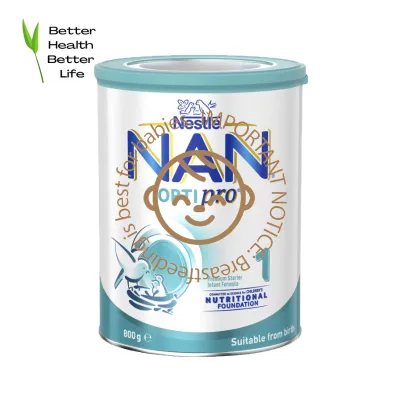
201 Lazada user ratings
Bought 2 tins, there is slight dent but doesn’t matter. Expiry date on Dec2025 & Feb 2026! Good expiry date! I bought t ostandby for my baby…Read full reviewShow less
Bought 2 tins, there is slight dent but doesn’t matter. Expiry date on Dec2025 & Feb 2026! Good expiry date! I bought t ostandby for my baby arriving in Nov. love tt laz allow usage of vouchers on stage1! Happy purchase~
Price:competitively priced when compared w retail & online stores + comes in resealable air tight container & scoop + PD recommended as it c…Read full reviewShow less
Price:competitively priced when compared w retail & online stores + comes in resealable air tight container & scoop + PD recommended as it causes less constipation
Price is great and baby accepts the formula. Expiry date is Dec 2026...so will last at least 10 more months.
Great formula for infants, Promotes healthy growth, gentle on stomach. Recommended for infants
Fast delivery. Recommended if you need it urgently
Prices are valid at publication and may change. Please refer to the product page for the latest price.
Crying is actually a late hunger cue, which can make feeding more challenging. When a baby is highly agitated, they may swallow more air during feeding, leading to discomfort, gas, and spit-up. Responding to early cues—a practice known as responsive feeding—helps keep feeding sessions calm and manageable for both caregiver and infant.
While responsive feeding is highly recommended in the early weeks, there are times when a baby’s feeding behavior requires closer attention. If your newborn consistently refuses to feed, shows extreme lethargy, or struggles to latch onto the bottle teat, it is crucial to pause and seek professional pediatric advice. These signs could indicate an underlying health concern that requires a medical evaluation rather than a simple routine adjustment.
Finding the Right Portion Sizes on the NAN Stage 1 Label
To ensure your baby receives the correct balance of nutrients and hydration, you must refer directly to the manufacturer’s feeding chart printed on the back of the NAN Stage 1 tin. This chart serves as the primary authority on portion sizes, overriding general advice found online. Because every infant develops at a unique rate, the chart provides a standardized starting point based on typical developmental milestones.

The feeding guide is typically organized in a clear grid layout, correlating your baby’s age and approximate weight with the recommended volume of water and the corresponding number of powder scoops. Maintaining the exact water-to-powder ratio is vital for your baby’s safety. Adding too much powder can strain your baby’s immature kidneys and cause dehydration, while adding too much water dilutes essential nutrients and can lead to poor weight gain.
Always use the specific scoop provided inside the current tin of NAN Stage 1. Scoop sizes can vary between different brands, stages, and even manufacturing batches. Using a scoop from a different product or an older tin can lead to inaccurate dosing. Level each scoop with a clean, dry knife rather than packing the powder down, as packed scoops alter the formula’s concentration.
While the label provides an excellent baseline, it is not a substitute for personalized medical advice. If you suspect your baby requires more or less than the recommended amount, or if your baby has specific health needs, consult a healthcare professional before altering the portion sizes or preparation instructions.
Step-by-Step Guide to Building a Daily Feeding Routine
A successful daily routine for a newborn is flexible rather than rigid. Instead of watching the clock to dictate exactly when your baby must eat, a flexible routine structures the day around predictable sequences of events. This approach accommodates the natural variations in a newborn’s sleep patterns and appetite while providing a reassuring structure for the household.
To establish this routine, spend the first few days simply observing your baby’s natural rhythms without trying to enforce a schedule. Note when they naturally wake, how long they remain alert, and when they show signs of hunger. This baseline observation will help you anticipate their needs and design a daily flow that works with their natural temperament.
Tracking Intervals and Volumes
When tracking your baby’s feeding routine, calculate the interval from the start of one feed to the start of the next, rather than from the end of a feed. Newborns feeding on infant formula typically eat every three to four hours, though this can vary. Keeping track of these intervals helps you distinguish between a hunger cry and other forms of discomfort, such as gas or fatigue.
Using a simple paper log or a mobile application can be highly beneficial for tracking daily volumes and identifying patterns. Recording the time of each feed and the amount of NAN Stage 1 consumed allows you to monitor overall daily intake. This data is incredibly useful during routine pediatric check-ups in Singapore, giving your doctor a clear picture of your baby’s feeding habits.
As your baby’s stomach capacity grows over the first few weeks, you will notice that feeding intervals naturally begin to stretch. A newborn’s stomach is incredibly small at birth but gradually expands, allowing them to take in larger volumes at each feed and go longer between sessions. Let this progression happen naturally rather than trying to force longer intervals prematurely.
Integrating Feeding with Sleep and Awake Windows
To support healthy sleep habits, try to structure your baby’s day so that feeding is separated from falling asleep. This sequence—often referred to as an “eat, play, sleep” routine—encourages your baby to associate sleep with their crib rather than the bottle. After feeding, engage in a brief period of quiet awake time, such as gentle tummy time or reading a book, before putting them down for a nap.
Be prepared to adjust this routine during growth spurts, which commonly occur around two to three weeks, six weeks, and three months of age. During these periods, your baby may suddenly seem constantly hungry and demand more frequent feeds. This temporary increase in feeding frequency is normal; respond to their cues and allow the routine to flex until their growth spurt stabilizes.
Nighttime feeds require a completely different approach to daytime sessions to help your baby develop a strong day-night rhythm. Keep the nursery dimly lit, minimize eye contact, and speak only in soft whispers during late-night feeds. By keeping these interactions calm and boring, you teach your baby that nighttime is for sleeping, helping them transition back to sleep more quickly after consuming their bottle.
Safe Preparation and Handling Practices
In Singapore’s warm and humid climate, maintaining strict hygiene during formula preparation is essential to prevent the growth of harmful bacteria and mold. Always wash your hands thoroughly with soap and water before handling any feeding equipment. Ensure that all bottles, teats, collars, and caps are thoroughly washed and sterilized using a steam sterilizer, UV sterilizer, or by boiling them in water for at least five minutes.
When preparing NAN Stage 1, use safe, potable water. In Singapore, tap water is safe to drink, but for infants, it must first be boiled and then cooled down to a safe temperature. Check the NAN Stage 1 tin for specific water temperature requirements; the water should typically be lukewarm to ensure the powder dissolves properly without destroying beneficial nutrients. Never use hot water directly from a dispenser without verifying the temperature, as this can cause burns or degrade the formula.
Always pour the measured amount of cooled, boiled water into the sterilized bottle first, before adding the formula powder. Adding the powder first displaces the water, resulting in an overly concentrated feed that can dehydrate your baby. Once the correct number of level scoops is added, secure the teat and cap, and shake or swirl the bottle gently until the powder is completely dissolved.
Any formula left in the bottle after a feed must be discarded within one to two hours. Bacteria from your baby’s saliva enter the bottle during feeding and can multiply rapidly in the warm milk, posing a health risk. If you prepare bottles in advance, store them immediately in the back of the refrigerator (at 4°C or below) and use them within 24 hours, warming them gently in a bowl of warm water before serving.
Adjusting the Routine as Your Baby Grows
As your baby develops, their nutritional needs will change, requiring adjustments to their feeding routine. Observable signs that your baby may be ready for a larger volume of NAN Stage 1 include finishing the entire bottle at every feed and looking around for more, or crying immediately after the bottle is empty. If they consistently wake up earlier than usual from their naps hungry, it may also be time to increase the portion size slightly.
Transitioning to the next stage of formula should always be guided by your baby’s age and professional pediatric advice. NAN Stage 1 is specifically formulated for newborns and infants up to six months of age. Do not rush to transition to Stage 2 or other milk products prematurely, as Stage 1 provides the precise balance of nutrients required for this early developmental window.
Monitoring your baby’s wet and dirty diapers is the most reliable daily indicator of adequate hydration and intake. In Singapore’s air-conditioned environments, babies can lose moisture quietly, making diaper tracking even more important. A well-hydrated newborn should produce at least six heavy wet diapers and regular, soft stools every 24 hours.
Frequently Asked Questions (FAQ)
How do I know if my baby is getting enough formula?
The most reliable indicators that your baby is receiving sufficient formula are steady weight gain and consistent diaper output. Your baby should produce at least six heavy wet diapers daily, with urine that is pale and odorless. Additionally, a baby who is getting enough formula will generally appear content, relaxed, and settled for a few hours between feeds. If you notice a sudden drop in wet diapers, dark urine, or if your baby seems constantly lethargic or fails to gain weight, stop relying solely on your routine and consult a pediatrician immediately.
What should I do if my baby spits up after feeding?
Mild spit-up is incredibly common in newborns because their digestive tracts are still immature, and the valve between the esophagus and stomach is weak. Babies often swallow air during feeding, especially if they are feeding quickly or if the teat flow is too fast. To minimize spit-up, pause mid-feed to burp your baby, and burp them again thoroughly once the feed is complete. Keeping your baby in an upright position for 20 to 30 minutes after feeding can also help gravity keep the formula down. However, if your baby experiences projectile vomiting, shows signs of pain or extreme distress during or after feeds, or is not gaining weight, these are red flags that require you to stop your current routine and seek immediate medical advice.
Community discussion
Share your experience or ask a question. Comments are reviewed before publication.