
Recognizing when your baby has outgrown their current Hoppi diaper size is essential for maintaining comfort, preventing leaks, and protecting delicate skin. While weight guidelines on the packaging offer a helpful starting point, every baby has a unique body shape, meaning physical and behavioral cues are often the most reliable indicators that it is time to transition to a larger size. By closely observing how the diaper fits around the waist and thighs, monitoring changes in your baby’s movement, and noting any sudden increases in leaks, you can easily determine when your little one requires more coverage and absorbency.
Visual and Physical Signs of a Too-Small Diaper
When a diaper becomes too small, the elasticized leg cuffs and waistband must stretch to their absolute limits to close around your baby’s body. This constant tension leaves noticeable red marks or deep indentations on your baby’s thighs, hips, or tummy after you remove the diaper. These marks are clear signs of friction and excessive pressure, indicating that the material is pressing too tightly against their sensitive skin. If these marks do not fade within a few minutes of leaving the diaper off, the current size is restricting circulation and causing discomfort.
As your baby grows, the rise of the diaper—the distance from the front waistband, through the crotch, to the back waistband—becomes too short. You will notice the front waistband slipping down toward the hips, while the back fails to cover the upper buttocks. A properly fitting diaper should sit just below the belly button and fully cover your baby’s bottom. If you find yourself constantly pulling the diaper up or if the fabric does not fully wrap around the sides of the hips, the diaper lacks the physical dimensions needed to provide secure coverage.
Products mentioned in this guide
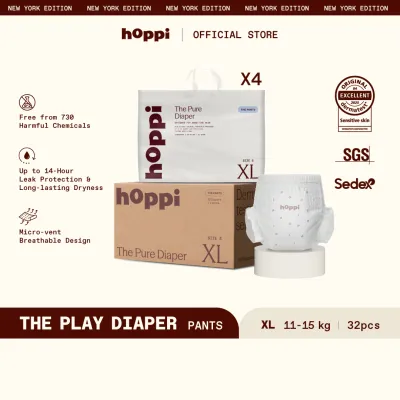

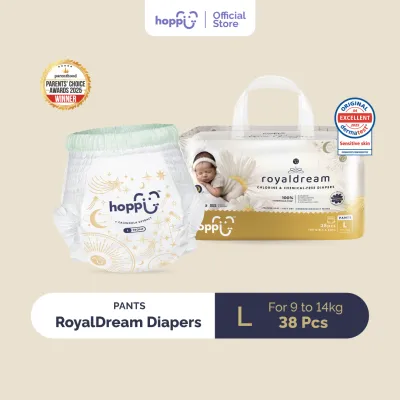



Prices are valid at publication and may change. Please refer to the product page for the latest price.
The fastening tabs on a disposable diaper serve as an excellent visual gauge for fit. On a well-fitting diaper, the tabs should easily secure near the center of the landing zone without requiring you to pull them forcefully. If you find that the tabs are fastening far out toward the hips, or if you have to stretch the waistband to its absolute limit just to make the tabs stick, the diaper is too small. Struggling to reach the designated fastening zones is a classic sign that your baby has outgrown the current size.
Behavioral Cues and Comfort Indicators
Babies communicate physical discomfort through their behavior, and a diaper that pinches or chafes will quickly lead to irritability. You might notice your baby becoming unusually fussy, crying, or squirming during diaper changes as you try to fasten a tight waistband. If they pull at the diaper area, tug at the sides, or show immediate relief when the diaper is removed, the restrictive fit is likely causing localized irritation. Paying attention to these subtle behavioral shifts can help you identify discomfort before it leads to skin breakdown.

As babies reach developmental milestones like rolling, crawling, and walking, they require a diaper that moves with them. A diaper that is too small restricts their range of motion, particularly around the hips and upper thighs. If you observe your baby showing reluctance to crawl, bend their legs, or take steps while wearing a fresh diaper, but they move freely during diaper-free play, the diaper’s tight leg cuffs are likely binding their limbs. Transitioning to the next size provides the necessary room for active exploration and muscle development.
A diaper that fits poorly can severely impact your baby’s sleep quality. When a diaper is too small, its absorbent core quickly reaches maximum capacity, leaving wetness close to your baby’s skin and causing a cold, damp sensation that wakes them up. Additionally, the physical tightness of the waistband can become highly uncomfortable when your baby’s tummy naturally expands during sleep or while lying down. If your baby starts waking up more frequently during the night and you find the diaper saturated, upgrading the size can restore overnight comfort.
Leakage and Absorbency Issues Linked to Size
One of the most frustrating signs of an outgrown diaper is a sudden increase in leaks and blowouts, especially if you have not changed your diapering routine. When a diaper is too small, the leg gathers and waistband cannot form an effective seal against your baby’s body. Even if you carefully run your finger along the leg cuffs to flare out the ruffles, the shallow depth of the diaper cannot contain sudden rushes of liquid or solid waste. If blowouts up the back or leaks around the thighs become a regular occurrence, it is a clear signal that the diaper’s physical boundaries are no longer sufficient.
As babies grow, their bladder capacity increases, meaning they release larger volumes of urine at one time. The absorbent core of a smaller diaper size is designed to hold a limited volume of liquid. If you notice that the diaper feels completely saturated, heavy, or swollen within an hour or two of a fresh change, the core is simply being overwhelmed by your baby’s current output. When the absorbent material reaches its limit, it can no longer lock away moisture, leading to wet skin and leaks even during short periods of wear.
It is helpful to analyze when and how the leaks occur to determine if sizing is the root cause. If leaks happen primarily when your baby is actively crawling, playing, or rolling, the movement is likely shifting the tight diaper out of place, creating gaps. If leaks occur during long periods of sleep or heavy wetting, the issue is likely a lack of overall absorbency. In both scenarios, moving up to the next diaper size provides a larger absorbent surface area and a more secure, flexible fit that accommodates both increased volume and active physical play.
How to Verify the Fit and Decide on the Next Size
To verify whether your baby’s diaper is the correct size, you can perform a simple physical check known as the two-finger rule. Once the diaper is fastened, slide two of your fingers easily under the waistband. If the fit is correct, your fingers should slide in comfortably without feeling squeezed or restricted. Next, run your fingers along the leg cuffs to ensure the elastic is snug but not digging into the skin, and make sure the inner leg gathers are flared outward. If you cannot easily fit two fingers under the waistband, or if the leg cuffs feel exceptionally tight, the diaper is too small and needs to be sized up.
Diaper packaging always features weight ranges to guide parents, but these ranges are general estimates rather than absolute rules. Because babies of the same weight can have vastly different body shapes—some having rounder tummies, while others have thicker thighs or longer torsos—you may need to transition sizes before your baby reaches the upper limit of the weight range. If your baby’s weight is approaching the upper boundary of their current size, or if they fall into the overlapping weight zone of the next size, physical fit and comfort should always take precedence over the numbers on the box.
When you suspect it is time to move up a size, avoid purchasing large bulk boxes immediately. Instead, consider buying a single, smaller pack of the next size to test the fit over a few days. This allows you to observe how the larger diaper performs during active daytime play and overnight sleep without committing to a large inventory. If the new size does not leak, leaves no red marks, and allows your baby to move freely, you can confidently transition fully. Keep in mind that any leftover smaller diapers can be saved for future siblings, gifted to friends, or donated to local family shelters.
Frequently Asked Questions (FAQ)
Should I size up if my baby is between weight ranges on the package?
Yes, sizing up is highly recommended when your baby’s weight falls within the overlapping range of two diaper sizes, especially if you are experiencing leaks or noticing red marks. Diaper weight charts are designed with significant overlap because babies of identical weights can have completely different proportions. A baby with chubby thighs or a round tummy will often need to transition to the larger size much sooner than a baby with a long, lean build. If you are on the fence, choosing the larger size typically provides better absorbency and a more comfortable, non-restrictive fit around the waist and legs.
Can tight diapers cause diaper rash?
A diaper that is too tight can significantly increase the risk of diaper rash and skin irritation. When a diaper fits too snugly, it presses wetness and acidic waste directly against your baby’s delicate skin while restricting the airflow necessary to keep the area dry. The constant friction from tight leg cuffs and waistbands can also chafe the skin, creating micro-tears that are highly susceptible to bacteria and yeast. If your baby develops persistent redness or rashes along the diaper line, switching to a larger size to improve ventilation and reduce friction is an important first step, and you should consult a pediatrician if the rash does not improve.

Community discussion
Share your experience or ask a question. Comments are reviewed before publication.