
Finding a reliable teething toy for your baby can feel overwhelming when online marketplaces are flooded with unverified options, leaving you worried about hidden chemical hazards or choking risks. To ensure a baby teething toy is safe, you must verify recognized regulatory safety marks, confirm the materials are food-grade and free from harmful chemical additives like BPA and phthalates, and perform regular physical inspections for structural hazards. Taking these precautions helps protect your baby’s health during a vulnerable developmental stage when they naturally explore the world with their mouth.
Which safety certifications and regulatory marks should you verify on baby teething toys?
You should look for established international safety standards, such as the European Standard EN 71 or the American ASTM F963, which are typically printed on the physical packaging. These standards indicate that a toy has undergone testing for physical, mechanical, and chemical safety, helping to ensure it will not easily break or leach harmful substances during use.
The European Standard EN 71 is a multi-part safety regulation. Part 1 focuses on mechanical and physical properties, ensuring no small parts can easily break off to become choking hazards. Part 2 evaluates flammability, while Part 3 measures the migration of certain chemical elements, verifying that heavy metals do not leach into a baby’s saliva. The American ASTM F963 standard covers similar safety parameters, including rigorous testing for toxicity and structural integrity under pressure.
Products mentioned in this guide
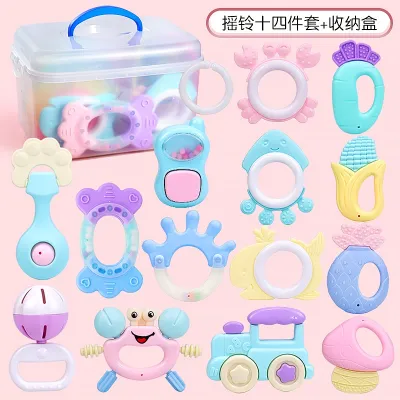
6 Lazada user ratings
i love the size and colors, perfect giveaway gift for multiple babies/infants. it comes with a box container too
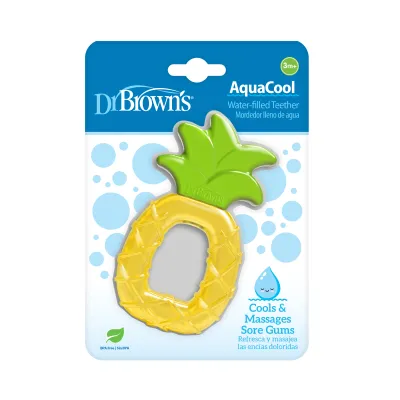
75 Lazada user ratings
Cooling sensation for teething relief, Easy to clean and maintain, BPA-free and safe for babies, Safe and non-toxic, Entertaining and engagi…Read full reviewShow less
Cooling sensation for teething relief, Easy to clean and maintain, BPA-free and safe for babies, Safe and non-toxic, Entertaining and engaging design, Durable and long-lasting,
Received my items with thanks. Correct order and timely delivery. Packaging was good. Love the cute designs and vibrant colours. Great for g…Read full reviewShow less
Received my items with thanks. Correct order and timely delivery. Packaging was good. Love the cute designs and vibrant colours. Great for gifting.
Great for teething babies, BPA-free and safe for babies, Entertaining and engaging design,
Durable and long-lasting, but feels hard, Cooling sensation for teething relief,
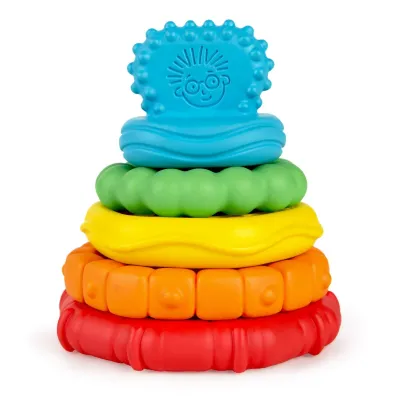
2 Lazada user ratings
multiple features for the toy. got it as a gift for baby. useful
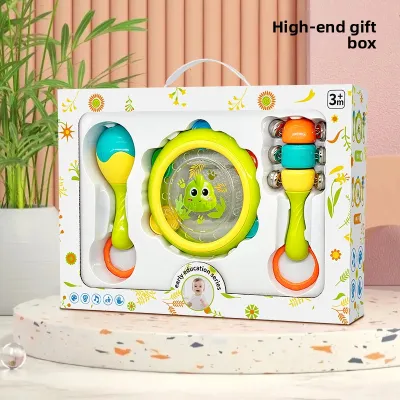
89 Lazada user ratings
Everything is great except that the iron bell from the hand-cranked bell set tends to lose its color.
The quality is great, and the color is bright, perfect for babies to play with.
I’ll definitely buy again; the stuff is really good!
The product is fantastic, I give it five stars!
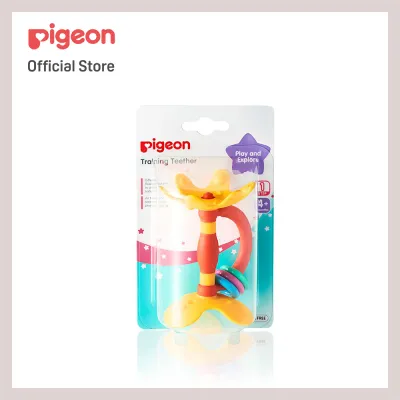
122 Lazada user ratings
my little one only knows how to play with it during 4 months + . if your little one rejected at first please wait for another two weeks time…Read full reviewShow less
my little one only knows how to play with it during 4 months + . if your little one rejected at first please wait for another two weeks time.
brought this for my nephew. bb used it last time and find it good. fast delivery too and got it at cheaper rates
Soft and soothing for gums, fast delivery. 2.5 month old baby still drunk how to hold and chew. let's see..
Got it at $6. Quality feels good and hopefully can serve well aa a teether. Item was well packed by seller.
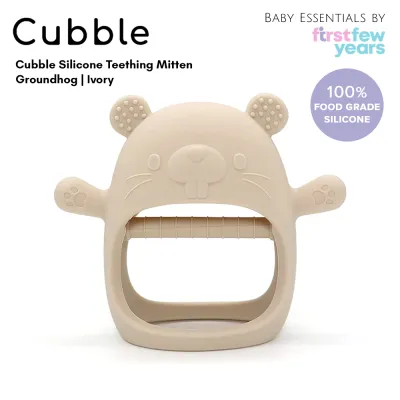
209 Lazada user ratings
Good well received
Good product
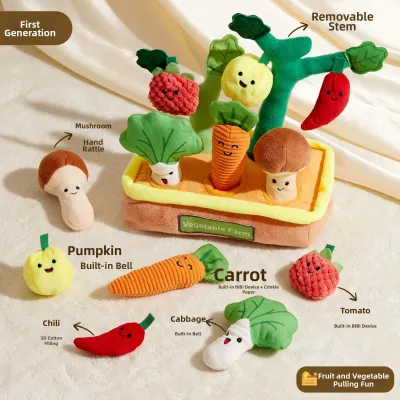
7 Lazada user ratings
As a mom, I really worry about my kid getting bored and crying, but once I found this veggie pull toy, I discovered the joy of \"hands-free\…Read full reviewShow less
As a mom, I really worry about my kid getting bored and crying, but once I found this veggie pull toy, I discovered the joy of \"hands-free\" fun! It's made of plush material, and the fruits and vegetables look super realistic—like peppers, strawberries, carrots, and mushrooms, each with a cute smiley face that totally captures my kid's attention! Thanks to the Velcro design, they can \"plant\" them in the \"garden,\" and when they pull them out, they feel such a sense of accomplishment. Playing with it really helps develop their hand-eye coordination and cognitive skills—it's true \"hands-on learning\"! Plus, the material is very safe, so I don’t have to worry when my little one chews on it; it’s soft and gentle on the skin. My child now wants to \"plant and pull\" veggies every day and can play for a long time, giving me a much-needed breather!
Great toy, really nice quality, and the little ones love it!
Prices are valid at publication and may change. Please refer to the product page for the latest price.
When shopping online, you must be vigilant against misleading or counterfeit certification logos. The “CE” mark, which indicates conformity with European safety standards, is frequently counterfeited or misused on unbranded products. A genuine CE mark has specific spacing between the letters, whereas counterfeit versions often place the letters much closer together. Additionally, watch out for generic claims like “certified safe” or “laboratory tested” that do not reference a specific, recognized testing standard or independent testing body.
Because digital product listings can easily display copied graphics, you must cross-reference these safety claims with the physical packaging and manufacturer documentation upon delivery in Singapore. Local consumer goods are subject to safety requirements monitored by the Consumer Product Safety Office. If a teething toy arrives in plain plastic wrapping with no branding, no manufacturer address, and no safety marks, it is best to return the item. Spending S$15 to S$30 on a verified, branded teether from a reputable local retailer is a much safer approach than relying on unbranded items from overseas sellers.
What material claims on the packaging indicate a teething toy is safe for chewing?
Safe material claims are those that specify the exact composition—such as 100% food-grade silicone or untreated natural wood—rather than relying on vague marketing terms. Understanding these material properties helps you choose a teether that will not degrade or release harmful chemicals when exposed to constant saliva and biting.

Food-grade silicone is a highly durable, non-toxic polymer made from silica. Unlike standard plastics, high-quality silicone does not require chemical plasticizers to remain flexible, and it is highly resistant to heat. This heat resistance is a practical benefit, as it allows you to safely sterilize the toy in boiling water or a steam sterilizer without risk of melting or chemical leaching.
Untreated natural hardwoods, such as beech, maple, or birch, are excellent alternative materials. These woods are dense and naturally splinter-resistant, making them durable enough to withstand sharp baby teeth. They also possess mild, natural antimicrobial properties. When choosing wooden teethers, ensure the packaging states the wood is completely untreated or finished only with food-safe oils like organic beeswax. Avoid painted or varnished wood, as these surface coatings can chip off and be swallowed.
When evaluating packaging claims, look for explicit statements indicating the product is free from specific harmful chemical additives. These include Bisphenol A (BPA), polyvinyl chloride (PVC), phthalates, and heavy metals like lead or cadmium. BPA is a synthetic compound used in hard plastics that can disrupt endocrine function, while phthalates are plasticizers used to make PVC soft and flexible. Reliable manufacturers will clearly label their products as “BPA-free,” “phthalate-free,” and “PVC-free.”
A generic “non-toxic” label is insufficient on its own because it is not a legally regulated term in many jurisdictions. A manufacturer can print “non-toxic” on a box without undergoing independent third-party testing. To verify these claims, look for references to food-contact safety standards, such as compliance with US Food and Drug Administration (FDA) regulations or European food contact regulations (EC 1935/2004), and check the manufacturer’s official website for accessible testing reports.
Why liquid-filled teethers require extra caution
Liquid-filled teethers are designed to be cooled in the refrigerator to soothe inflamed gums, but they carry inherent structural risks. If your baby’s emerging teeth puncture the outer plastic shell, the liquid inside can leak, posing a risk of ingestion. This liquid can sometimes harbor bacteria if contaminated during the manufacturing process. If you choose to use a liquid-filled teether, never place it in the freezer, as extreme cold can make the plastic brittle and highly prone to cracking.
The risks of fabric and plush teething elements
Some teething toys combine silicone or wood with fabric elements, such as crinkle paper or plush fabric. While these materials provide excellent sensory stimulation, fabric absorbs saliva rapidly. In Singapore’s warm and humid climate, damp fabric can quickly become a breeding ground for bacteria and dust mites. If you use fabric teethers, ensure they are machine-washable, and dry them completely in a well-ventilated area or dryer after every use.
How do you physically inspect a new or existing teething toy for structural safety hazards?
You can physically inspect a teething toy by firmly pulling on all joints, checking for small parts that could detach, and ensuring the overall dimensions prevent the toy from becoming lodged in your baby’s throat. Regular physical checks are essential because even high-quality toys can develop structural flaws over time through normal wear and tear.
Babies can exert surprising jaw pressure as their teeth begin to emerge, making it critical to inspect the toy for small detachable parts. Look closely at any glued-on elements, small rings, or decorative beads. If the teether consists of multiple parts joined together, pull on each section with moderate force to ensure the seams and joints are completely secure. Any component that can fit entirely inside a standard toilet paper roll poses an immediate choking hazard for infants.
Evaluate the overall size and shape of the toy to ensure it cannot be swallowed or pushed too far into the mouth. A safe teething toy should be large enough that it cannot be compressed to fit entirely inside your baby’s mouth. Avoid teethers with long, narrow extensions that could reach the back of the throat, as these can trigger the gag reflex or cause airway obstruction if the baby falls while holding the toy.
Run your fingers over the entire surface of the toy to check for sharp edges, rough seams, or structural flaws. Look for sharp plastic flashing left over from the manufacturing mold, splinters on wooden teethers, or cracked joints. Any rough surface can scratch your baby’s delicate gums, leading to pain and potential infection. If you find any structural flaws during your inspection, do not attempt to repair the toy; discard it immediately.
Always verify the manufacturer’s recommended age range on the packaging before giving a toy to your baby. Some teethers are designed for younger infants who are just starting to grasp objects (around 3 months), while others are heavier and meant for older babies with emerging molars (around 10 to 12 months). Using a teether that is too heavy or complex for your baby’s developmental stage can lead to accidental injury.
What signs of wear or damage mean you must immediately discard a baby teething toy?
You must immediately discard a teething toy if you observe structural degradation like cracking, tearing, surface stickiness, or any signs of internal mold growth. Continuing to use a damaged toy exposes your baby to choking hazards and harmful microbes.
Hidden mold growth is a major concern for hollow teething toys, especially those with squeaker holes or air vents. When a baby chews on these toys, saliva and moisture enter the interior cavity, creating a dark, damp environment where mold thrives. Singapore’s warm, humid climate accelerates this process. If you squeeze a hollow toy and notice a musty odor, or if you see black or grey spots near the air hole, discard the toy immediately. To avoid this risk, choose solid silicone or solid wood teethers that do not have any internal cavities.
Inspect the surface of silicone and rubber teethers regularly for material degradation. Over time, exposure to saliva, cleaning chemicals, and UV light can cause these materials to break down. Signs of degradation include a sticky or tacky texture, discoloration, cracking, or tearing. If your baby has started developing sharp incisors, they can easily bite off small pieces of degraded silicone, creating an immediate choking hazard.
Parents should proactively monitor product safety alerts to ensure their toys have not been recalled. In Singapore, you can check the Enterprise Singapore website or the Consumer Product Safety Office portal for recent product safety recalls. If you discover that your baby’s teething toy has been subject to an official recall, stop using it immediately and contact the manufacturer or retailer for a refund or replacement.
Always supervise your baby while they are using any teething toy, as no product is completely indestructible. If your baby experiences severe gum bleeding, persistent fever, or unusual distress during teething, do not rely solely on teething toys; stop use and consult a pediatrician or a pediatric dentist for professional guidance.
Community discussion
Share your experience or ask a question. Comments are reviewed before publication.