
Recognising when to switch to growing milk involves observing a combination of age milestones, developmental cues, and dietary habits. Typically, this transition begins around the first birthday, when a toddler’s nutritional requirements shift from relying primarily on liquid nutrition to obtaining most of their daily nutrients from a varied diet of solid foods. Growing up milk, often designated as stage 3 formula, is formulated to complement this new dietary phase rather than replace meals. By paying close attention to your child’s physical readiness and eating patterns, you can determine the right moment to introduce this next stage of nutrition.
Age Guidelines for Switching to Growing Milk
The transition to growing up milk is generally aligned with a significant milestone: your child’s first birthday. Around 12 months of age, a toddler’s growth rate slows slightly compared to the rapid pace of infancy, but their physical activity levels typically increase. Consequently, their nutritional needs shift from the highly specific, calorie-dense composition of infant formula to a broader spectrum of nutrients that support active play, bone development, and cognitive growth.
While 12 months is the standard benchmark, it is crucial to verify the specific manufacturer’s age guidelines printed on the formula tin. Different brands formulate their products with varying nutritional profiles, and some stage-specific milks are intended for slightly older toddlers. Always read the packaging carefully to ensure the product matches your child’s current age bracket.
Products mentioned in this guide
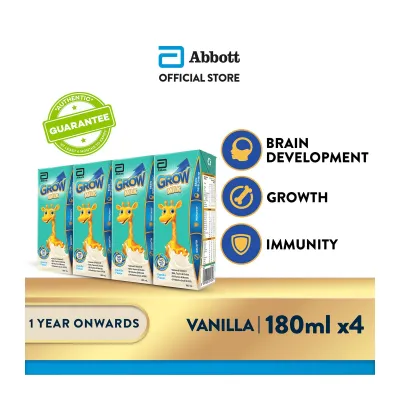
690 Lazada user ratings
Contains essential minerals for overall health, Essential nutrients for growth, Promotes healthy digestion,
Monthly repeated purchase for my 2 kids. Hope get better discount next time.
Delivery was fast and items were well packed. Very happy with the purchase.
Getting more expensive.. Hope got better duel in 11.11. 😉😉😉😉
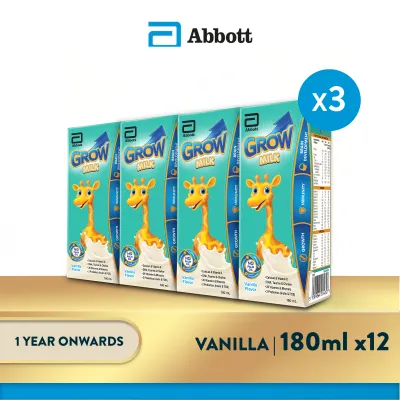
275 Lazada user ratings
daughter loves it. She stops bottle so im switching on this. will continue purchasing
fast delivery as usual. Children always love this milk, will buy again
repeat orders. childrens love to drink this milk hence buying often
repeat order. fast delivery as usual. children loves this milk
repeat orders. kids love this Grow milk. Will order again !!
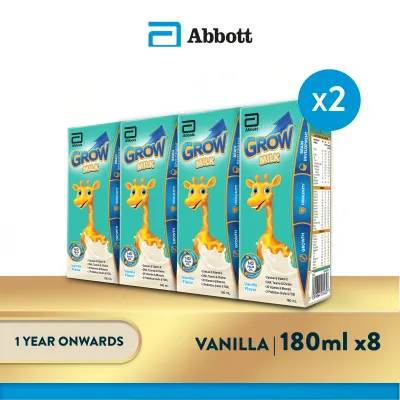
29 Lazada user ratings
📄Nutritional Value:good 😋Taste:good 💰Price:ok hope to be lowerVanilla flavor is delicious, Great for picky eaters, No palm oil, easy digesti…Read full reviewShow less
📄Nutritional Value:good 😋Taste:good 💰Price:ok hope to be lowerVanilla flavor is delicious, Great for picky eaters, No palm oil, easy digestion,
This is good, my son loves this milk so much as he is vanilla lover. And personally I feel it is good to keep my son healthy
Brain and eye development, Ready-to-drink, convenient, Great for picky eaters, No palm oil, easy digestion,
No palm oil, easy digestion, Trusted brand for kids' nutrition, Complete growth formula,
Ready-to-drink, convenient,
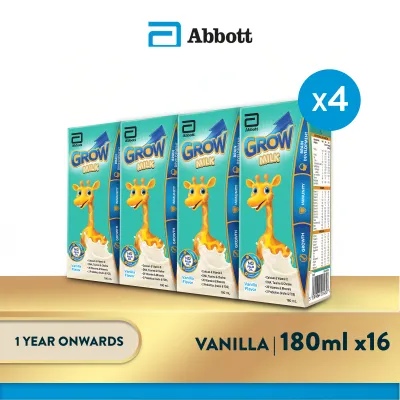
922 Lazada user ratings
Convenient and ready-to-drink, Suitable for children aged 3-12 years, first time buying to try. Total got 4 packs but 2 packs got some dents…Read full reviewShow less
Convenient and ready-to-drink, Suitable for children aged 3-12 years, first time buying to try. Total got 4 packs but 2 packs got some dents so not all received in good condition.
Formulated for toddlers and school-going kids, it’s all-rounded nutrition that supports brain development, immunity and growth. Granddaughte…Read full reviewShow less
Formulated for toddlers and school-going kids, it’s all-rounded nutrition that supports brain development, immunity and growth. Granddaughter loves this milk.
My toddler tried it for the first time and she loves it so much!! She keeps saying more! Boosts immune system, Easy to digest,
received. will order again when got promo. always order this milk for my girl bring to school for lunchbox.
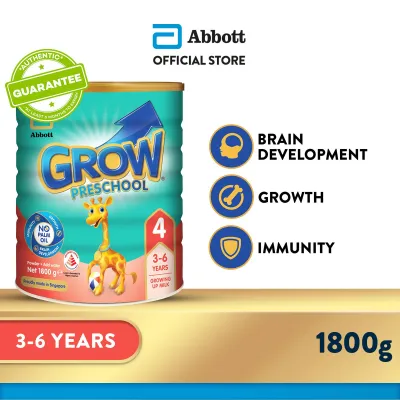
223 Lazada user ratings
Fast delivery as usual . Hope to have more promotions …………….
good product for growing up children. Tastes quite good too.
restock for both of my kids... and a good choice of milk
order extra and repeat order for the kids...
High-quality formula for preschoolers.,
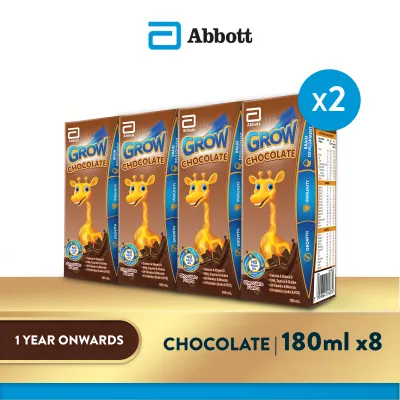
32 Lazada user ratings
No palm oil for easier digestion, Tasty and nutritious, Complete nutrition for growing kids,
the milk good for my kids I plant next order change flavor..
my kid's feedback is that it's too sweet.
Expire date short
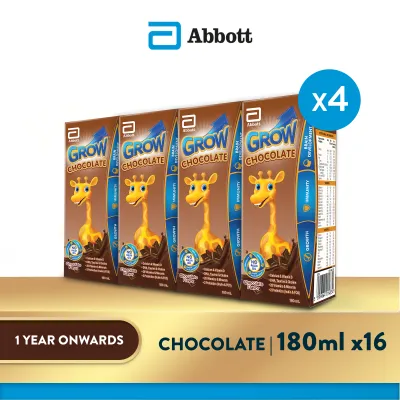
479 Lazada user ratings
💰Price: if got sale still considered rather okay 😋Taste: kid likes it so I’m happy 📄Nutritional Value: should be ok Volume is too little per…Read full reviewShow less
💰Price: if got sale still considered rather okay 😋Taste: kid likes it so I’m happy 📄Nutritional Value: should be ok Volume is too little per packet and the packets sent this Sep 2024 expire Dec 26th 2024. Hope seller can take note and try to ensure that expiry is at least 6 months from date of purchase. And that seller states expiry dates clearly for buyers to take note. (I didn’t get response from seller regarding expiration date for milk despite asking the seller about it.)
Complete nutrition for kids, Essential DHA for brain and eye development, Promotes brain development,
Fast delivery within 2 days. Well packed in carton box. 1st time trying for my boy.
Received items fast and correctly. Will buy again when there is an offer
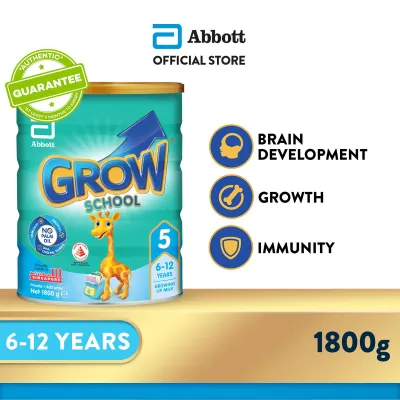
271 Lazada user ratings
Ordered on 8 nov & received 10 nov. 1st time buying on redmart. All came except 1 item so I requested for refund for that item.
well received
Item received
Fast delivery
Prices are valid at publication and may change. Please refer to the product page for the latest price.
During this period, milk transitions from being the primary source of daily calories to a supportive, complementary beverage. Infant formula is designed to be a complete food source, whereas growing up milk is fortified with specific vitamins and minerals—such as iron, vitamin D, and calcium—to help fill potential nutritional gaps that may arise as your toddler learns to eat a wider variety of family foods.
Developmental and Physical Readiness Signs
Beyond chronological age, your toddler’s physical and motor skill development offers clear indicators of their readiness for growing up milk. One of the most prominent signs is the ability to drink independently from a cup. Around 12 months, many toddlers develop the coordination required to hold a straw cup or an open cup, signaling that they are ready to move away from the sucking reflex associated with baby bottles.

Dental development also plays a key role in this transition. As toddlers sprout primary teeth and develop stronger jaw muscles, they become more adept at chewing and swallowing textured foods. This oral motor progression is closely linked to their ability to digest a wider variety of nutrients, making the transition to a complementary milk drink more appropriate.
Additionally, observe your child’s general physical growth and energy levels. A toddler who is meeting their developmental milestones, showing steady physical growth, and maintaining active energy levels throughout the day is generally demonstrating a well-functioning digestive system. This physical robustness suggests their body is ready to process the slightly different protein and mineral concentrations found in growing up milk compared to infant formula.
Dietary Cues and Solid Food Intake
A successful transition to growing up milk depends heavily on how well your toddler has established their solid food routine. Before making the switch, your child should be consistently consuming a variety of solid foods across all major food groups, including grains, proteins, fruits, and vegetables. This ensures that milk is no longer their sole or primary source of essential nutrients.
You will likely notice a natural decrease in your toddler’s reliance on infant formula as their solid food intake increases. If your child is happily eating three balanced meals a day along with healthy snacks, and is demanding fewer or smaller formula bottles, they are demonstrating the dietary readiness required for the switch. Growing up milk is designed to step in as a supplement to these solid meals, rather than a primary calorie source.
Another positive cue is an observable interest in family meals and self-feeding behaviours. If your toddler actively reaches for food on your plate, attempts to use child-friendly utensils, or enjoys finger foods, they are embracing the social and physical aspects of eating. This interest in diverse foods supports a balanced diet, making the introduction of a complementary toddler milk a natural next step.
How to Make the Transition Smoothly
Introducing a new milk should be a gradual process to allow your toddler’s digestive system and taste preferences to adapt. A sudden switch can sometimes lead to refusal or mild digestive upset. A practical approach is to gradually mix the current infant formula with the new growing up milk over several days, slowly increasing the proportion of the new milk while decreasing the old.
During this transition period, closely monitor your toddler for any signs of digestive discomfort, changes in stool consistency, or potential allergic reactions. Keep an eye out for unusual fussiness, excessive gas, loose stools, or skin rashes. If you observe any persistent changes or discomfort, it is wise to pause the transition and seek guidance from a healthcare professional.
This period is also an ideal time to adjust feeding schedules and transition from bottles to open cups or straw cups. Offering the new growing up milk in a colourful, easy-to-grip cup can make the change exciting for your toddler. It also helps break the association between milk and the bottle, promoting better oral health and supporting independent drinking habits.
When to Wait or Consult a Paediatrician
While the transition is straightforward for many families, certain situations warrant a more cautious approach. If your toddler experiences persistent digestive distress, poor weight gain, or sudden feeding aversions during the switch, it is best to halt the transition. These signs may indicate that their digestive system is not yet ready, or that they have an underlying sensitivity to the new formulation.
Special considerations apply to premature babies or toddlers with specific medical conditions, allergies, or growth delays. For these children, developmental milestones may not align directly with chronological age. It is essential to consult a paediatrician to receive a personalised feeding plan tailored to your child’s unique growth trajectory and nutritional requirements.
Occasionally, you may find that the instructions on a product label conflict with the advice given by your child’s doctor or a paediatric nutritionist. In all such cases, prioritise the personalised advice of your healthcare professional over general packaging guidelines. A qualified professional can assess your child’s specific dietary intake and growth to provide the safest recommendation.
Frequently Asked Questions (FAQ)
Can I switch to growing milk before my toddler turns one?
It is generally not recommended to introduce growing up milk before your child’s first birthday. Infant formula is specifically designed to meet all the complex nutritional needs of a baby under 12 months, whereas growing up milk is formulated as a supplement for older toddlers who eat solid foods. Introducing it too early can strain a younger baby’s developing kidneys and digestive system. Always consult your paediatrician before making any early dietary changes.
What if my toddler refuses the taste of growing up milk?
If your toddler rejects the new taste, try a very gradual mixing ratio, starting with a small amount of growing up milk mixed into their familiar infant formula. You can also experiment with serving temperatures, as some toddlers prefer their milk slightly warm while others prefer it cool. Offering the milk in a new, appealing straw cup can also distract them from the slight taste difference and encourage them to drink.
Is growing up milk necessary if my toddler already eats a balanced diet?
While a toddler who eats a highly diverse and balanced diet may obtain most of their nutrients from solid foods, growing up milk can serve as a helpful safety net to fill minor nutritional gaps, particularly for picky eaters. It provides a reliable source of calcium, vitamin D, and iron during a period of rapid growth. You can evaluate your child’s daily food intake and consult a paediatrician to decide if growing up milk is a beneficial addition to their routine.

Community discussion
Share your experience or ask a question. Comments are reviewed before publication.