
Choosing the right infant formula can feel overwhelming as you navigate the transition from newborn care to the active infant stages. The primary difference between Stage 1 and Stage 2 formula lies in their nutritional design, which shifts from providing a complete, sole source of nutrition to supporting a diet that includes solid foods. While Stage 1 formula is formulated to mimic breast milk as closely as possible for a newborn’s delicate digestive system, Stage 2 formula—often called follow-on formula—is adjusted to complement the introduction of solids, typically around the six-month mark. These adjustments usually involve changes in protein ratios, iron levels, and energy density to match your baby’s growing physical activity and maturing kidneys. However, because manufacturers formulate their products differently, these shifts are not universal, and parents must compare specific product labels to understand the exact differences for their chosen brand.
Understanding the Core Purpose of Stage 1 vs Stage 2 Formula
Stage 1 infant formula is designed for babies from birth up to six months of age. During this initial phase, an infant’s digestive system is highly sensitive and still developing. Stage 1 formulas are engineered to be easily digestible, serving as the sole source of nutrition when breast milk is unavailable or supplemented. The balance of nutrients in these starter formulas is carefully calibrated to meet all metabolic needs without overworking the baby’s immature kidneys or liver.
Stage 2 formula, commonly referred to as follow-on formula, is intended for infants from six to twelve months of age. By this stage, most babies are beginning to explore solid foods, meaning formula is no longer their exclusive source of nourishment. The design intent of Stage 2 formula is to act as a nutritional safety net, filling in the gaps that solid foods might leave behind while accommodating a more robust digestive tract.
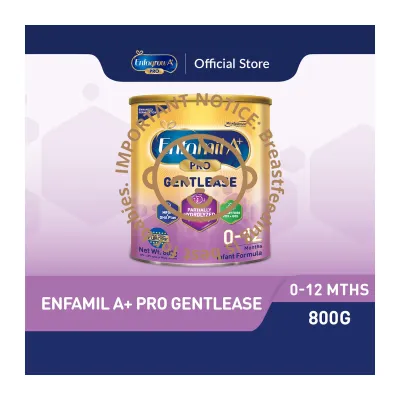
Products mentioned in this guide
317 Lazada user ratings
📄Nutritional Value: great,easy for stomach ⏱️Convenience: delivered within 2 business days 😋Digestibility: good for digestion Order the good …Read full reviewShow less
📄Nutritional Value: great,easy for stomach ⏱️Convenience: delivered within 2 business days 😋Digestibility: good for digestion Order the good and they are delivered within 3 business days. RedMart is easy to use and delivery timing can be selected.
📄Nutritional Value: great ⏱️Convenience: easy, next day delivery 😋Digestibility: good for infant, easy to digest Made an order and it was del…Read full reviewShow less
📄Nutritional Value: great ⏱️Convenience: easy, next day delivery 😋Digestibility: good for infant, easy to digest Made an order and it was delivered the same day. Great and efficient!
😋Digestibility: good for infant digestion ⏱️Convenience: RedMart is easy to purchase and deliver within 2 business days
fast delivery received in good condition thank you would recommend!
Prices are valid at publication and may change. Please refer to the product page for the latest price.
It is important to recognize that while international guidelines provide general frameworks for infant nutrition, there is no single, globally mandated recipe for Stage 1 or Stage 2 formulas. Different manufacturers adjust their recipes based on proprietary research, regional regulations, and specific ingredient availability. Consequently, the transition from one stage to the next does not look identical across all brands, making it essential for caregivers to read the ingredient lists and nutritional panels on the packaging.
Key Nutritional Shifts to Look for on the Label
One of the most significant changes you are likely to observe when comparing Stage 1 and Stage 2 formulas is the protein composition. In Stage 1 formula, the protein ratio is typically dominated by whey, which is highly soluble and easy for a newborn’s stomach to break down. As you move to Stage 2, many manufacturers increase the proportion of casein protein. Casein digests more slowly than whey, which can help sustain an older infant who is experiencing longer gaps between feeds, though this shift must be balanced against the baby’s individual digestive tolerance.

The overall protein concentration may also increase in Stage 2 formulas. As an infant reaches six months of age, their kidneys mature sufficiently to process higher concentrations of protein and metabolic waste products. This increase in protein content is designed to support rapid muscle development and physical growth during a period when babies begin rolling, sitting, and crawling. Caregivers should check the nutritional information panel to verify the exact protein grams per serving, as some specialized formulas maintain lower protein levels to prevent digestive discomfort.
Iron is another critical nutrient that undergoes a transition between formula stages. Infants are born with natural iron stores that typically begin to deplete around the six-month mark. Because iron is vital for cognitive development and red blood cell production, Stage 2 formulas often contain higher levels of iron compared to Stage 1. However, because solid foods like fortified cereals and pureed meats also introduce iron into the diet, the exact amount of iron required from formula can vary. Checking the label helps ensure your baby is receiving an appropriate balance without exceeding safe daily limits.
Carbohydrate sources and energy density may also be adjusted to meet the energy demands of an increasingly active baby. While lactose is the primary carbohydrate in Stage 1 formula to replicate the natural sweetness and energy source of breast milk, Stage 2 formulas might incorporate other carbohydrates such as maltodextrin or starch. These complex carbohydrates digest more slowly, providing a steady release of energy. Parents should inspect the ingredient list to identify the primary carbohydrate sources, especially if their infant has shown sensitivity to specific sugars.
To make an informed decision, parents should place the Stage 1 and Stage 2 containers of their preferred brand side-by-side. Comparing the “per 100ml” or “per 100g” columns on the nutritional information panel is the most reliable way to identify these shifts. Because marketing terms on the front of the tin can sometimes obscure these details, relying on the standardized nutritional table ensures you are looking at objective data tailored to your baby’s specific dietary needs.
Decision Framework: When to Transition from Stage 1 to Stage 2
Deciding when to transition your baby from Stage 1 to Stage 2 formula should be guided by developmental milestones and medical advice rather than the calendar alone. Stage 1 formula remains the most appropriate choice if your baby is under six months of age, as their digestive system is not yet ready for the complex proteins and different carbohydrate structures found in follow-on formulas. Even if your baby has reached the six-month mark, continuing with Stage 1 may be recommended by your pediatrician if your child is not yet showing readiness for solid foods or has specific developmental delays.
Transitioning to Stage 2 formula becomes a viable option once your baby is around six months old and has successfully integrated a variety of solid foods into their daily routine. At this stage, the formula serves as a complement to solids, helping to ensure that any nutritional gaps—particularly in iron and calcium—are adequately covered. If your baby enjoys a mixed diet of purees, finger foods, and milk, and shows no signs of digestive sensitivity, moving to Stage 2 can align well with their changing nutritional requirements.
There are situations where neither standard Stage 1 nor Stage 2 formula is appropriate for your infant. If your baby has been diagnosed with a specific metabolic condition, a severe cow’s milk protein allergy, or other gastrointestinal disorders, they will likely require a specialized or prescription-only formula. These specialized formulas do not follow the typical stage-based progression and must be managed under the strict supervision of a pediatric gastroenterologist or clinical dietitian.
Special care must also be taken if your baby was born prematurely or had a low birth weight. Premature infants often have unique nutritional trajectories and may need to stay on specialized post-discharge formulas or Stage 1 formulas longer to support catch-up growth. Before making any changes to their feeding regimen, parents of premature infants should consult their healthcare team to evaluate whether the baby’s corrected age and physical development support a transition.
Finally, always monitor your baby for signs of digestive intolerance during any formula transition. Symptoms such as sudden changes in stool consistency, excessive gas, vomiting, or unusual fussiness after feeding can indicate that the baby’s digestive tract is not yet ready for the different protein and carbohydrate ratios of Stage 2 formula. If these symptoms occur, it is advisable to pause the transition, revert to the familiar Stage 1 formula, and seek guidance from your pediatrician.
Common Misconceptions About Upgrading Formula Stages
A common misconception among parents is that Stage 2 formula is a “superior” or “advanced” version of Stage 1, implying that keeping a baby on Stage 1 past six months holds them back developmentally. In reality, Stage 2 is not nutritionally superior; it is simply formulated differently to account for the introduction of solid foods. Stage 1 formula is a highly sophisticated, complete food source that can technically sustain an infant throughout their entire first year when paired with appropriate solid foods, meaning there is no developmental disadvantage to continuing its use if recommended.
Many parents also believe the myth that switching to Stage 2 formula early will accelerate physical growth, improve digestion, or help their baby sleep through the night. There is no scientific evidence to support the claim that the nutritional profile of Stage 2 formula accelerates milestones or cures sleep challenges. Infant sleep patterns are primarily governed by neurological development and circadian rhythms rather than the specific stage of formula they consume.
Introducing Stage 2 formula too early can actually pose health risks to a young infant. Because Stage 2 formulas often contain higher concentrations of protein and minerals like sodium and potassium, a newborn’s immature kidneys may struggle to process the increased solute load. Additionally, the larger protein molecules and alternative carbohydrate sources can cause significant digestive strain, leading to constipation, colic, or abdominal pain. Adhering to the manufacturer’s age guidelines and consulting a professional ensures your baby’s digestive system is never overloaded.
Frequently Asked Questions (FAQ)
Can I keep my baby on Stage 1 formula past 6 months?
Yes, it is generally safe and often highly appropriate to keep your baby on Stage 1 formula past the six-month mark. Because Stage 1 formula is designed as a complete nutritional source, it continues to provide high-quality, easily digestible nutrients throughout the first year of life. If your baby is slow to accept solid foods or has a sensitive stomach, staying on Stage 1 ensures they receive adequate nutrition without unnecessary digestive irritation.
However, if you choose to continue with Stage 1 formula past six months, you must pay close attention to your baby’s iron intake. Around this age, an infant’s natural iron stores begin to deplete, and Stage 1 formula may not contain the elevated iron levels found in Stage 2. To prevent iron deficiency, it is crucial to introduce iron-rich solid foods—such as iron-fortified baby cereals, pureed meats, or legumes—into their daily diet. If you are concerned about your baby’s nutritional balance, consult your pediatrician for a personalized evaluation.
Does Stage 2 formula help my baby sleep through the night?
No, there is no evidence that Stage 2 formula helps babies sleep through the night. While some parents believe that the slightly slower-digesting proteins and complex carbohydrates in Stage 2 formula keep babies full longer, infant sleep is a complex developmental milestone. Sleep consolidation is primarily influenced by brain maturation, circadian rhythms, and individual temperament rather than the specific type or stage of milk consumed.
Attempting to use Stage 2 formula or adding solid foods to a bottle to induce sleep can be hazardous and is not recommended. Feeding your baby according to their hunger cues and establishing a consistent, calming bedtime routine are the safest and most effective ways to support healthy sleep habits. If your baby is experiencing persistent sleep difficulties, discussing their sleep environment and developmental stages with a healthcare professional can provide more effective, evidence-based solutions.
Community discussion
Share your experience or ask a question. Comments are reviewed before publication.