
Choosing the right Nino Nana diaper or pull-up pant depends on matching your baby’s weight, body shape, and movement level to the product’s specific design. Because sizing and absorbency technologies can vary across different product lines, this guide helps you interpret the specifications on the packaging and observe your baby’s fit to ensure comfort and leak protection.
Decoding Nino Nana Absorbency Features
Understanding the core construction of your baby’s diaper helps you determine how well it will perform during different activities. When examining a Nino Nana diaper, you can visually inspect the padding thickness and overall flexibility of the core. A thinner, highly flexible core is often ideal for daytime wear, allowing your baby to crawl, roll, and explore without bulky restriction. For overnight use or long outings, you will want to verify if the specific variant is designed with an enhanced distribution layer that can handle multiple wettings without sagging or clumping.
Another practical feature to look for is the wetness indicator, which consists of color-changing lines running along the outer shell of the diaper. This indicator reacts to moisture, shifting color to signal when the core has reached capacity. Relying on this visual cue allows you to perform quick checks without constantly unfastening the adhesive tabs or pulling at the waistband, which helps maintain the diaper’s structural integrity and keeps your baby undisturbed during rest.
Products mentioned in this guide
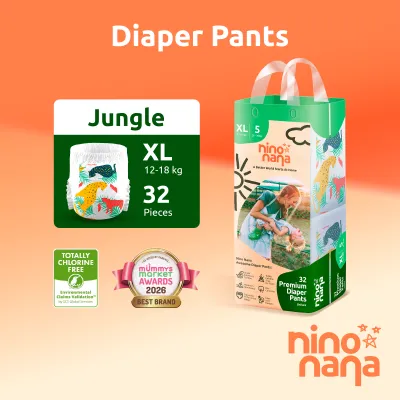
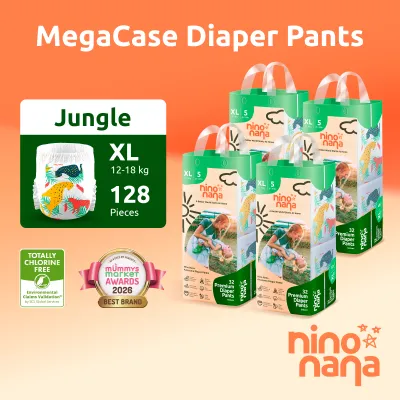

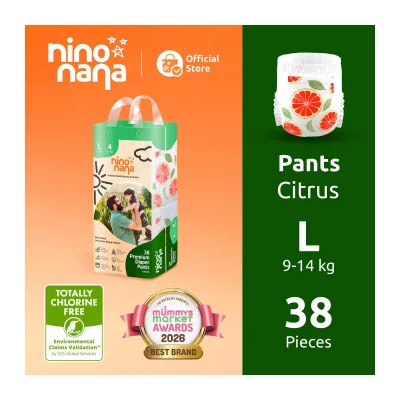
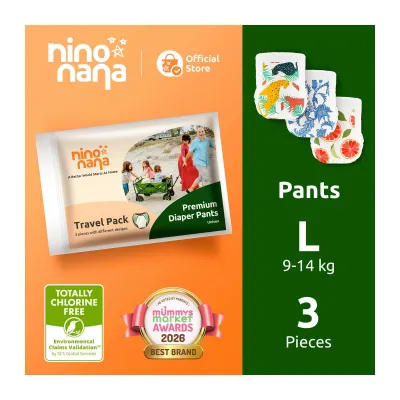



Prices are valid at publication and may change. Please refer to the product page for the latest price.
To prevent leaks during active movement, pay close attention to the design of the leak guards and the waistband. The elastic leg cuffs should feature double-layered ruffles that sit snugly in the groin crease to block side leaks. Meanwhile, a high, stretchy waistband helps secure the back of the diaper against blowouts, especially when your baby is sitting or crawling. When putting the diaper on, always run your finger along the inner leg cuffs to ensure they are flared outward rather than tucked inward, as folded cuffs are a primary cause of bypass leaks.
Navigating Nino Nana Sizing Options
Selecting the correct diaper size requires looking beyond your baby’s age, as physical development and weight are much more accurate indicators of fit. Nino Nana products are categorized by weight brackets printed clearly on the packaging. Because sizing standards can vary significantly between different diaper brands and regional designs, always consult the manufacturer’s specific weight chart before purchasing a new pack. Keep in mind that these weight ranges often overlap, allowing you to choose a size that matches your baby’s current growth phase.

While weight brackets provide a helpful baseline, your baby’s unique body shape plays a critical role in how a diaper fits. Babies with rounder bellies or chunky thighs often require a larger size than their weight would suggest. If you notice that the diaper fits tightly around the waist or leaves deep impressions on the thighs, sizing up is usually the best course of action, even if your baby is technically in the middle of the recommended weight range. A larger size provides more fabric coverage and a higher rise, preventing leaks caused by a diaper that is too shallow.
The choice between taped diapers and pull-up pants also depends on your baby’s developmental milestones. Taped diapers are generally preferred for newborns and younger infants who spend most of their time lying down, as they allow caregivers to customize the waist snugness symmetrically. As your baby becomes more active, starts crawling, or resists lying down during changes, transitioning to pull-up pants can make diaper duty much easier. Pants feature a fully elasticated waistband that slips on quickly while the baby is standing, offering a snug, underwear-like fit that moves naturally with a walking toddler.
Recognizing When to Size Up or Reassess Absorbency
Even if you have carefully followed the sizing charts, your baby will eventually outgrow their current diaper size. One of the most obvious physical signs that a diaper is too small is the appearance of red marks or deep indentations around your baby’s thighs, hips, or lower back. These marks indicate that the elastic is under too much tension, which can cause chafing and restrict blood flow. If these marks persist after you have adjusted the fit, it is time to transition to the next size up.
Leak patterns also offer valuable clues about whether you need to adjust the size or reassess the absorbency level. If you notice frequent leaks but the diaper’s core feels relatively dry or only partially wet, the issue is likely a poor fit, such as gaps around the legs or a waistband that sits too low. Conversely, if the diaper leaks and the core is completely saturated, heavy, and swollen, the diaper has exceeded its absorbency capacity. In this scenario, you may need to size up to gain a larger absorbent core or look for a variant specifically designed for heavy wetters.
Finally, observe how the diaper behaves when your baby is playing. A diaper that is too small or overloaded will often bunch up, sag excessively between the legs, or pull down at the back when your baby bends over. This restriction of mobility can frustrate an active toddler and increase the risk of tears or leaks. Regularly assessing how the diaper sits during play ensures your child remains comfortable and fully protected.
Frequently Asked Questions (FAQ)
How do I know if the Nino Nana diaper is too small?
You can tell a Nino Nana diaper is too small if you struggle to fasten the adhesive tapes symmetrically near the center guide, or if pull-up pants are difficult to slide over your baby’s hips. Another clear indicator is frequent leaking from the leg cuffs, even when you have verified that the ruffles are fully pulled out. Additionally, if you observe persistent red indentations or chafing on your baby’s skin immediately after removing the diaper, it is a clear sign that the elastic is too tight and you need to size up.
Can I use Nino Nana pants for overnight sleep?
Yes, you can use Nino Nana pants for overnight sleep, provided you select the correct size and fit. For babies who sleep for long stretches or are heavy wetters, check the packaging to verify if the specific pants variant is rated for extended or overnight wear. Ensure the waistband and leg cuffs fit snugly without gaps, as babies shift positions frequently during sleep, which can cause pooling and leaks if the diaper is too loose. If overnight leaks persist, consider sizing up for bedtime to obtain a larger absorbent core.
Community discussion
Share your experience or ask a question. Comments are reviewed before publication.