
Deciding whether to stick with XL tape diapers or transition to pull-up pants is a common milestone for parents of active toddlers. As your child grows more mobile, their diapering needs change dramatically. The right choice depends on your toddler’s physical development, body shape, and daily activity levels.
Many parents find that a single diaper style no longer meets all their needs. While tape diapers offer a highly customizable fit, pant-style diapers provide the flexibility and ease of use required for toddlers who refuse to lie still during changes. Understanding the practical differences between these two options helps you maintain comfort, prevent leaks, and support your child’s natural movement.
Signs Your Toddler Has Outgrown Tape Diapers
As toddlers transition from crawling to walking and running, their physical movements put new demands on their diapers. One of the most common signs that tape diapers are no longer suitable is the appearance of red marks. If you notice red, irritated lines around your toddler’s waist or upper thighs, the tape tabs may be rubbing against their skin or pulling too tightly during active play.
Products mentioned in this guide
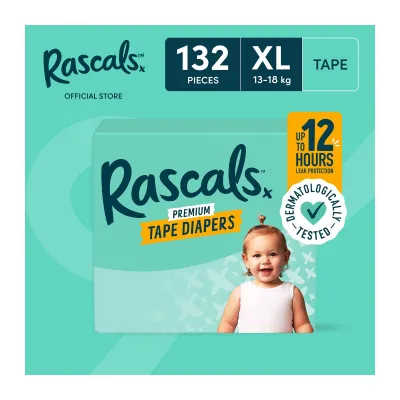
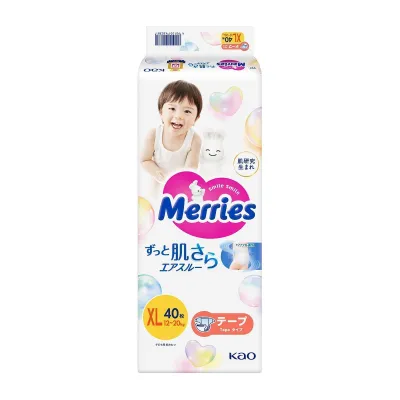




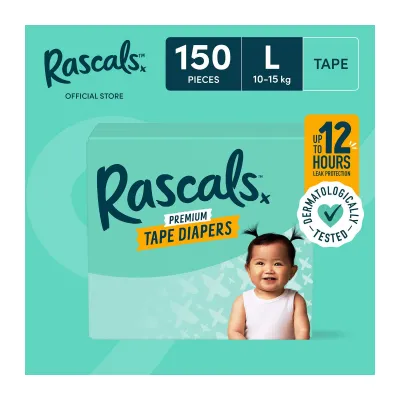
Prices are valid at publication and may change. Please refer to the product page for the latest price.
Frequent leaks or sudden blowouts are another clear indicator that a change is needed. When an active toddler bends, climbs, or twists, a tape diaper can shift out of place, creating gaps around the legs and waist. If leaks occur primarily when your child is running around or shifting positions during sleep, the diaper is likely failing to accommodate their mobility.
Behavioral changes also signal it is time to reconsider your diapering setup. If your toddler actively resists lying down on the changing mat, turning diaper changes into a daily struggle, tape diapers become highly impractical. Additionally, many toddlers learn how to unfasten the adhesive tabs themselves, leading to unexpected and messy removals.
When XL Tape Diapers Are Still the Better Choice
Despite the convenience of pull-up pants, XL tape diapers remain highly effective for specific body shapes and routines. Toddlers with a unique waist-to-thigh ratio often benefit from the adjustable nature of tape tabs. If your child has a rounder belly but slimmer thighs, or vice versa, tape diapers allow you to customize the snugness at the waist and legs independently to prevent gaps.

Messy bowel movements are also much easier to manage with tape diapers. Unfastening the side tabs while your toddler is lying down allows you to clean them up with minimal mess. While pant-style diapers can be torn at the sides for removal, tape diapers offer a more controlled and hygienic process, especially when dealing with loose stools.
For overnight use, many parents prefer to stick with XL tape diapers. A tape diaper can be adjusted to fit snugly before bedtime, ensuring the absorbent core remains perfectly positioned throughout the night. This customized fit is particularly beneficial for heavy wetters or toddlers who sleep on their stomachs, where targeted waist snugness is crucial.
When to Make the Switch to Pull-Up Pants
The transition to pull-up pants is typically driven by your toddler’s increasing independence and physical milestones. If your child is constantly on the move and refuses to stay still, pull-up pants are a practical solution. They can be slipped on quickly while your toddler is standing up, minimizing disruptions to their playtime and reducing changing-time stress.
Pull-up pants also play a supportive role during the early stages of potty training. Because they look and feel more like real underwear, they allow your toddler to practice pulling them up and down independently. This helps build self-help skills and confidence as your child transitions away from diapers entirely.
Active daytime routines are perfectly suited for the 360-degree stretchy waistband of pant-style diapers. The elasticized waist conforms to your toddler’s body, stretching and contracting as they bend, squat, and run. This flexibility ensures the diaper stays securely in place without shifting, sagging, or restricting your child’s natural movements.
How to Check the Fit and Performance of Your Current Diaper
Before deciding to switch styles, it is helpful to evaluate whether your current XL tape diapers are being used correctly. Start by checking the alignment and symmetry of the tape tabs. The tabs should be fastened evenly on the front landing zone; uneven, overlapping, or downward-pointing tabs can cause the diaper to sit crookedly, leading to leaks and skin chafing.
Next, inspect the leg cuffs and ruffles. After securing the diaper, run your finger around the leg openings to ensure the inner and outer cuffs are pulled outward and sit flat against your toddler’s thighs. If these cuffs remain tucked inward, they cannot form an effective barrier, which often results in leg leaks during active play.
Finally, review the manufacturer’s weight and size guidelines on the packaging. While your toddler may still fall within the official weight range for their current size, their height, waist circumference, or activity level might mean they require a larger size. If you are consistently struggling with fit or absorbency, checking these guidelines is a crucial first step.
Transitioning Smoothly Between Diaper Styles
Transitioning to a new diaper style does not have to be an all-or-nothing decision. Many parents successfully adopt a hybrid approach, using pull-up pants during active daytime hours and relying on XL tape diapers for long nighttime sleep. This strategy combines the convenience of quick daytime changes with the secure, leak-proof fit of tape diapers at night.
When introducing a new style, pay close attention to the product specifications on the packaging. Tape and pant versions from the same brand do not always share the same absorbency levels or core designs. Checking these details ensures you select a product that matches your toddler’s specific dryness needs.
Keep a close eye on your toddler’s skin during the transition period. The elastic waistbands of pull-up pants apply pressure differently than tape tabs, which can sometimes cause friction or mild redness. Regularly checking for skin irritation helps you determine if a particular brand or style is compatible with your child’s sensitive skin.
Frequently Asked Questions (FAQ)
Can I use XL tape diapers and pants from different brands at the same time?
Yes, using different brands for tape diapers and pants is a common and practical approach. However, keep in mind that sizing standards and fit templates vary significantly between manufacturers. An XL size in one brand may fit differently than an XL in another. It is highly recommended to purchase a small trial pack of a new brand to verify the fit and absorbency before committing to a bulk purchase.
What should I do if the XL pants are too tight around the thighs but fit the waist?
If the leg openings of the pants are leaving deep red marks but the waist fits comfortably, your toddler’s body shape may not align with that specific brand’s design. You can try returning to adjustable XL tape diapers, which allow you to loosen the leg area while keeping the waist secure. Alternatively, check the manufacturer’s size chart to see if moving up to a larger size resolves the thigh tightness without causing gaps at the waist.
Community discussion
Share your experience or ask a question. Comments are reviewed before publication.