
Transitioning your toddler to a new milk formula can be a challenging period, especially when you are concerned about potential digestive issues like gas, bloating, or outright refusal. Successfully transitioning your toddler to Isomil soy formula without causing digestive upset requires a gradual, step-by-step mixing schedule over 7 to 10 days, careful preparation of clean feeding equipment, and close observation of your child’s tolerance. By taking a systematic approach, you allow your toddler’s developing digestive system and gut microbiome the necessary time to adapt to a new protein source.
Understanding the physiological differences between cow’s milk and soy protein can help you manage expectations during this transition. While many toddlers transition smoothly, some may experience minor, temporary changes in their stool patterns or gas levels. Preparing yourself with the right knowledge, consulting your paediatrician, and following a structured transition schedule will help ensure your toddler remains comfortable and well-nourished throughout the process.
Why Might a Toddler Experience Digestive Changes When Switching to Soy Formula?
A toddler’s digestive system is highly sensitive to changes in dietary proteins and carbohydrates, meaning any sudden shift in their primary milk source can trigger temporary digestive adjustments. Cow’s milk-based formulas typically rely on whey and casein proteins, along with lactose as the primary carbohydrate. In contrast, soy-based formulas like Isomil utilize soy protein isolate and alternative carbohydrate sources to provide complete nutrition. This fundamental difference in nutrient sources requires your toddler’s digestive enzymes to adapt to processing plant-based proteins rather than dairy-based ones.
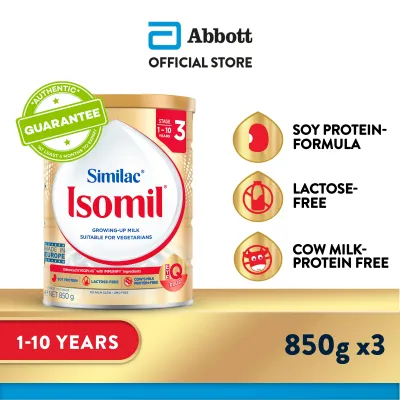
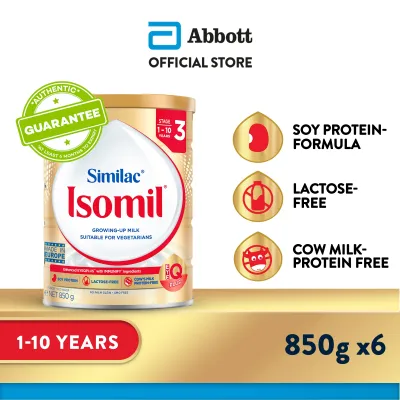
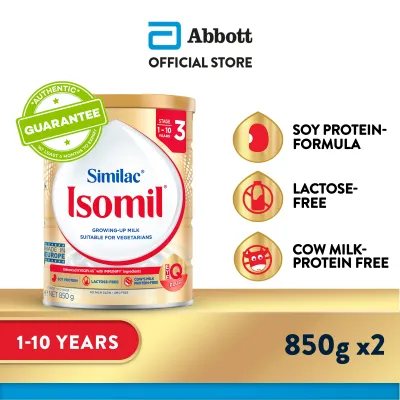
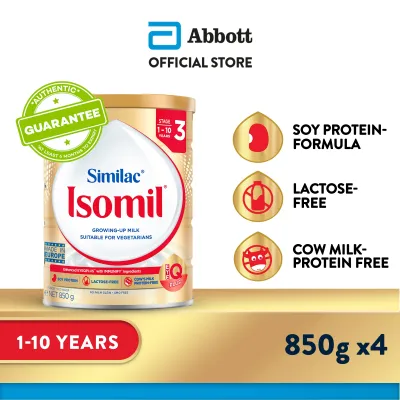
Products mentioned in this guide
263 Lazada user ratings
Fast delivery and well-packed. Milk arrived fresh with no leaks or dents. Expiry date is long, taste is good, and kids enjoy it. Happy with …Read full reviewShow less
Fast delivery and well-packed. Milk arrived fresh with no leaks or dents. Expiry date is long, taste is good, and kids enjoy it. Happy with the quality and value. Will repurchase again.
good effort on the seller's part to pad the tins to ensure they don't get damaged. highly recommended if your little ones are lactose intole…Read full reviewShow less
good effort on the seller's part to pad the tins to ensure they don't get damaged. highly recommended if your little ones are lactose intolerant.
slight dents seem to be a typical problem. but if quality not affected and can be closed properly still acceptable
Tasty and easy to digest, Healthy choice for vegetarian families, Convenient and nutritious formula,
Item received in good condition and sadly the item have more discount during National Day
154 Lazada user ratings
Bought during 11:11 sale. Price was very worth it but delivery took way too long. It took 1 week for the item to be delivered whilst other p…Read full reviewShow less
Bought during 11:11 sale. Price was very worth it but delivery took way too long. It took 1 week for the item to be delivered whilst other parcels within the same order arrived in a day. 💰Price: Very good. This item is suitable for kids with sensitive tummy.
Gentle on sensitive stomachs, Suitable for lactose-intolerant kids, Healthy choice for vegetarians, Promotes healthy growth and development,…Read full reviewShow less
Gentle on sensitive stomachs, Suitable for lactose-intolerant kids, Healthy choice for vegetarians, Promotes healthy growth and development, Trusted brand for children's nutrition,
Trusted brand for children's nutrition, Healthy choice for vegetarians, Promotes healthy growth and development, Suitable for lactose-intole…Read full reviewShow less
Trusted brand for children's nutrition, Healthy choice for vegetarians, Promotes healthy growth and development, Suitable for lactose-intolerant kids, Easy to prepare and mix,
Healthy choice for vegetarians, Trusted brand for children's nutrition
fast delivery and well received in brand new condition thank you very.
273 Lazada user ratings
Received in good condition. The price has increased, lucky I bought it during 10.10 sales when its cheaper.
Well packed, fast delivery, good value, cheaper than buying from supermarkets.
Milk mIlk is my baby favourite. Day in day out keep calling for milk milk.
Specially formulated for 1-10 year olds, Safe and reliable formula,
Good price after using vouchers, easier than buying from shop
40 Lazada user ratings
expiry is in the year of 2026, pretty good but can't believe how much preservatives is my kid drinking. Can't imagine how scared is it for t…Read full reviewShow less
expiry is in the year of 2026, pretty good but can't believe how much preservatives is my kid drinking. Can't imagine how scared is it for the kids in the future. literally eating combat rations everyday
Fast delivery. Items received in good condotion and in a box very secure with bubbles. Very protected and safe.
Well packed and good expiry date. 5 stars
thank you for your prompt delivery
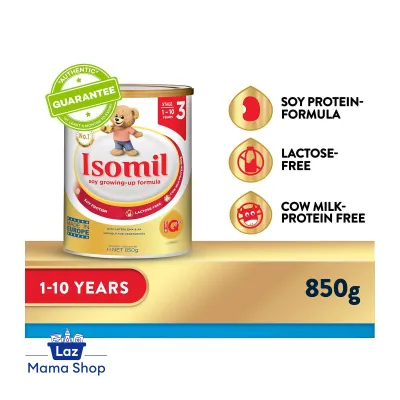
97 Lazada user ratings
Great formula for growing kids, I find it expensive compared to Similac plus. But the quality could be better.
Repeated purchase
quick delivery
fast delivery
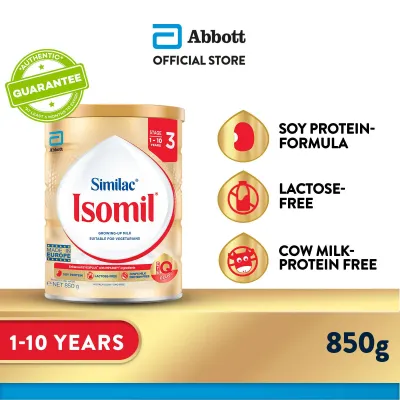
363 Lazada user ratings
Ideal for children with lactose intolerance, Recommended by pediatricians, Suitable for children aged 1-10 years, Suitable for children aged…Read full reviewShow less
Ideal for children with lactose intolerance, Recommended by pediatricians, Suitable for children aged 1-10 years, Suitable for children aged 1-10 years, Suitable for children aged 1-10 years,
Safe and reliable source of nutrition, Ideal for children with lactose intolerance, Fortified with essential nutrients, Promotes healthy dig…Read full reviewShow less
Safe and reliable source of nutrition, Ideal for children with lactose intolerance, Fortified with essential nutrients, Promotes healthy digestion, Promotes healthy digestion,
📄Nutritional Value: Safe and reliable source of nutrition, Suitable for children aged 1-10 years, Convenient and easy to prepare, Supports b…Read full reviewShow less
📄Nutritional Value: Safe and reliable source of nutrition, Suitable for children aged 1-10 years, Convenient and easy to prepare, Supports brain and eye development,
Convenient and easy to prepare, Promotes healthy digestion, Provides necessary calcium for strong bones,
Supports brain and eye development, Recommended by pediatricians, Safe and reliable source of nutrition,
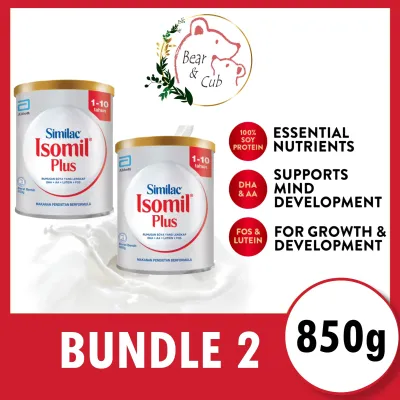
57 Lazada user ratings
Repeated purchase and it is the cheapest price you can get. Retail is about 35 dollars.
Bought with discount and more discounts on top of it. It comes with a good wrap too
Great alternative for cow's milk allergy, Lactose-free for sensitive tummies,
Good price. Much cheaper than retail n live up deduction too
Very fast delivery
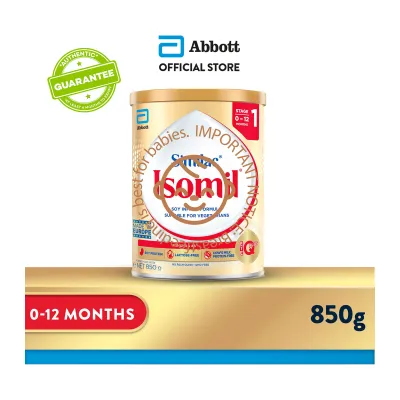
117 Lazada user ratings
Provides essential nutrients for my baby's growth, I trust the quality of this formula, Convenient and reliable for busy parents, Great choi…Read full reviewShow less
Provides essential nutrients for my baby's growth, I trust the quality of this formula, Convenient and reliable for busy parents, Great choice for lactose-intolerant babies!, Healthy and nutritious for my little one, Recommended by my pediatrician, Love that it's suitable for vegetarians,
Good soy formula milk for my baby. My baby drinks it well and seems comfortable after feeding. Easy to prepare and the packaging is convenie…Read full reviewShow less
Good soy formula milk for my baby. My baby drinks it well and seems comfortable after feeding. Easy to prepare and the packaging is convenient.
Easy to prepare and the packaging is convenient. So far, it has been a good choice for us
item received as per description. will buy again.. thanks seller
Received in good condition
Prices are valid at publication and may change. Please refer to the product page for the latest price.
In addition to enzyme adaptation, your toddler’s gut microbiome—the community of beneficial bacteria living in their digestive tract—must adjust to the new ingredients. The gut microbiome plays a critical role in digestion and gas production. When a new formula is introduced, the bacteria feed on different carbohydrate and protein structures, which can temporarily alter the balance of the microbiome. This adjustment phase is entirely normal and is often the primary cause of mild, temporary flatulence or changes in stool consistency during the first week of the switch.
To minimize these digestive changes, it is essential to read the specific Isomil product label carefully before beginning the transition. Different stages of formula are tailored to specific age groups and developmental milestones, and their nutritional profiles and preparation instructions can vary. Understanding these specific requirements ensures you are preparing the formula correctly, which is the first and most important step in preventing unnecessary digestive strain or nutritional imbalances for your growing toddler.
How Should You Prepare for the Isomil Transition?
Before introducing any new formula to your toddler’s diet, you must take several preparatory steps to ensure the switch is both safe and appropriate for their health status. Your first step should always be to consult a paediatrician or qualified healthcare professional in Singapore. A professional evaluation is necessary to confirm that a soy-based formula is suitable for your toddler’s specific dietary needs, growth patterns, and medical history, particularly if you are suspecting a cow’s milk protein allergy or lactose intolerance.

Once you have professional confirmation, you must carefully inspect the new formula packaging before use. Check the expiration date printed on the tin to ensure the product is fresh, and inspect the packaging integrity to make sure there are no dents, rust, punctures, or broken seals. Additionally, verify that the product has been stored in a cool, dry place according to the manufacturer’s instructions, as improper storage can compromise the quality and safety of the nutrients.
Finally, organize your feeding and preparation tools to prevent any cross-contamination during the transition period. Ensure you have separate, thoroughly cleaned, and sterilized bottles, nipples, collars, and measuring tools. Because you will be handling two different formulas during the mixing phase, keeping your preparation area clean and using dedicated utensils helps maintain strict hygiene standards and prevents the accidental introduction of unwanted bacteria or incorrect ratios into your toddler’s feed.
What Is a Safe, Step-by-Step Schedule for Mixing the Old and New Formula?
A safe and comfortable transition relies on a gradual introduction over a 7 to 10 day period, which prevents shocking your toddler’s digestive tract with a sudden dietary change. Introducing the new soy formula incrementally allows the digestive enzymes and gut bacteria to adapt slowly, significantly reducing the likelihood of gas, bloating, or abdominal discomfort. The table below outlines a standard, gradual mixing schedule that you can use as a general framework:
| Transition Phase | Days | Old Formula Proportion | Isomil Soy Formula Proportion |
|---|---|---|---|
| Phase 1 | Days 1 to 3 | 75% | 25% |
| Phase 2 | Days 4 to 6 | 50% | 50% |
| Phase 3 | Days 7 to 9 | 25% | 75% |
| Phase 4 | Day 10 onwards | 0% | 100% |
When executing this schedule, you must pay close attention to how you prepare the mixture. Because different formula brands and stages have unique scoop sizes and specific water-to-powder dilution ratios, mixing dry powders directly in the same bottle can easily lead to incorrect concentration levels. To avoid this risk, always prepare each formula separately in its own container according to its specific manufacturer instructions. Once both formulas are fully prepared as liquids, you can then measure and combine them in the correct proportions within your toddler’s feeding bottle.
If your toddler experiences mild, manageable digestive changes—such as slightly more gas than usual or a minor shift in stool consistency—you should safely slow down the pace of the transition. Instead of moving to the next phase on schedule, maintain the current mixing ratio for an additional two to three days to give their digestive system more time to stabilize. Only progress to the next ratio when your toddler is completely comfortable and showing no signs of distress.
How Can You Tell If Your Toddler Is Adjusting Well or Showing Warning Signs?
Monitoring your toddler’s physical reactions and behavior during the transition is crucial for determining whether their digestive system is accepting the new soy formula. It is common to observe mild, temporary changes as their body adapts. For instance, you may notice slight variations in stool consistency, color, or frequency. Soy formula can sometimes cause stools to become slightly firmer or change to a greenish-brown hue; as long as these changes are minor and your toddler remains comfortable, they are generally considered normal parts of the adjustment process.
However, you must remain vigilant for clear red flags that indicate your toddler is not tolerating the new formula well. These warning signs include severe abdominal bloating, persistent vomiting, projectile spitting up, skin rashes or hives, blood or mucus in the stool, chronic diarrhea, or extreme, inconsolable fussiness during or after feeds. These symptoms suggest an adverse reaction or an underlying intolerance that requires immediate attention from a medical professional.
If you observe any of these red flags, you should immediately pause the transition, stop serving the Isomil formula, and revert to your toddler’s previous, well-tolerated feeding method. Do not attempt to force your child to continue with the transition in the hope that the symptoms will resolve on their own. Seeking prompt medical advice ensures your toddler’s safety and helps you identify the root cause of the adverse reaction.
What Strategies Can Help If Your Toddler Refuses the Taste of Soy Formula?
Taste refusal is a common hurdle when transitioning to a soy-based formula, as soy protein has a distinct flavor profile that differs significantly from cow’s milk or breast milk. To help mask these subtle taste differences, try serving the prepared formula at your toddler’s preferred temperature. Some toddlers prefer their milk slightly warm, while others may accept it more readily at room temperature or even slightly chilled. Experimenting safely within the manufacturer’s temperature guidelines can make the new taste much more palatable.
Maintaining a sense of familiarity and routine can also ease your toddler’s anxiety during the transition. Serve the new formula mixture in their favorite bottle, sippy cup, or straw cup, and feed them in their usual, comfortable environment. Keeping these external factors consistent helps your toddler focus less on the unfamiliar taste and more on the comforting routine of their feeding time.
It is vital to avoid forcing your toddler to feed or showing signs of frustration if they refuse the bottle. Pressuring a child to drink can create negative associations with feeding times, leading to more persistent refusal behaviors. Instead, keep meal times relaxed and positive. Keep a detailed log of their daily acceptance levels and actual feeding volumes; if the refusal persists despite a very gradual mixing schedule, you can present this data to your healthcare professional for further guidance.
When Is It Necessary to Consult a Paediatrician During the Isomil Transition?
While many formula transitions can be managed successfully at home, certain situations require professional medical oversight to protect your toddler’s health. If your toddler has a known history of severe food allergies, gastrointestinal disorders, or underlying medical conditions, you should never attempt a formula transition without direct supervision from a paediatrician. Their specialized guidance is essential for navigating complex dietary changes safely.
To make your consultations as productive as possible, maintain a daily feeding and symptom diary throughout the transition process. Document the exact times of each feed, the mixing ratios used, the volume of formula consumed, the frequency and appearance of their stools, and any behavioral changes or physical symptoms. This detailed, real-time information provides your doctor with invaluable context to assess how well your toddler is adapting to the soy formula.
Finally, remember that professional advice is crucial before making any further dietary adjustments if the Isomil transition does not succeed. Avoid switching to another alternative formula, adjusting powder-to-water dosages, or introducing specialized dietary supplements on your own. A paediatrician can accurately diagnose any ongoing issues, recommend safe alternative feeding strategies, and ensure your toddler continues to receive the precise balance of nutrients required for healthy growth and development.

Community discussion
Share your experience or ask a question. Comments are reviewed before publication.